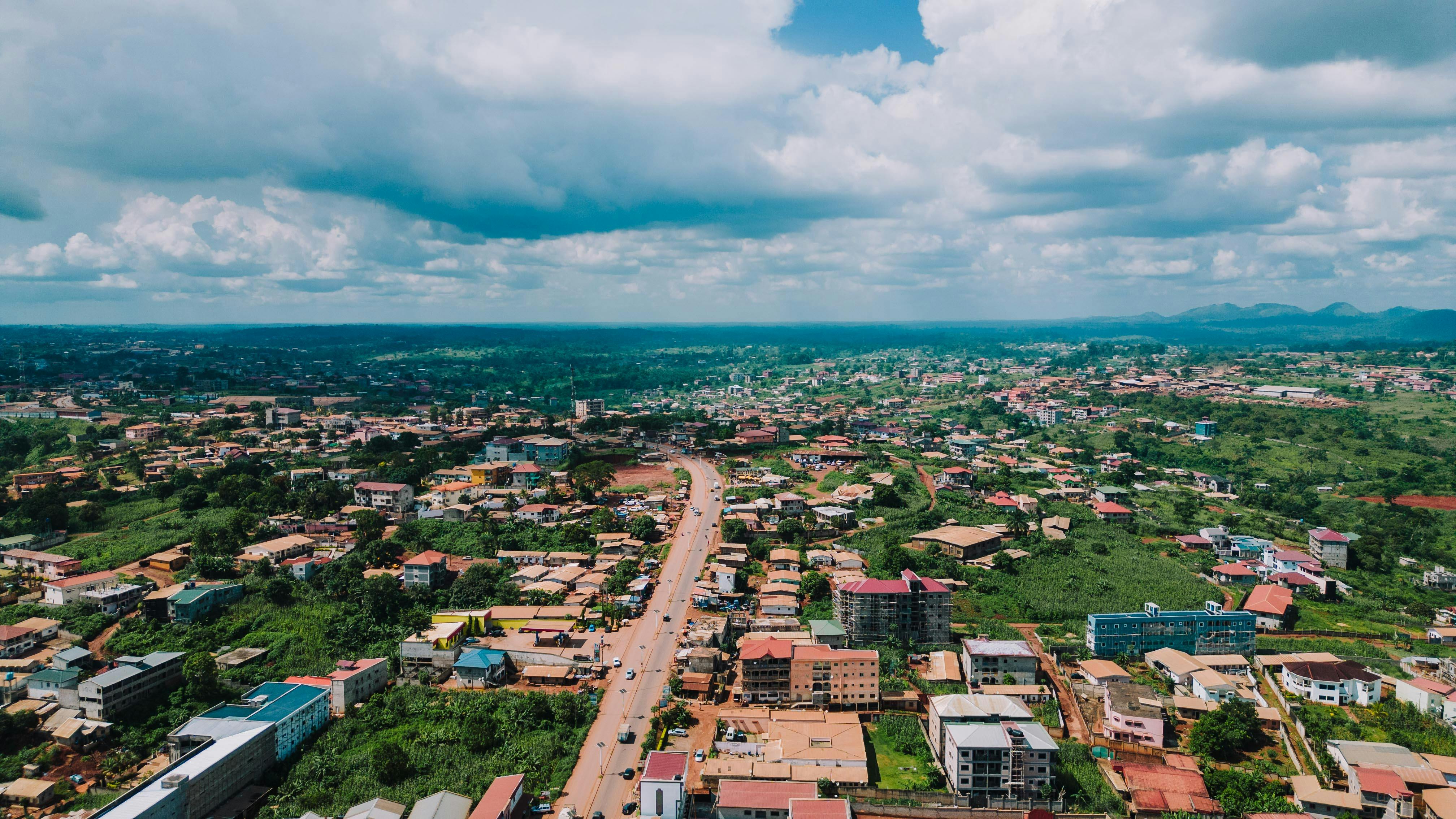
Kampala
UrbanKampala is the capital and largest city of Uganda, situated in the central part of the country on the shores of Lake Victoria. The city is built across numerous hills, earning it the nickname 'City of Seven Hills,' though the actual number of hills is greater. Kampala serves as Uganda's political, economic, and cultural hub, hosting government institutions, universities, and major businesses. The cityscape is characterized by a mix of colonial-era architecture, modern high-rise buildings, and vibrant markets. The downtown area features bustling streets filled with shops, restaurants, and street vendors, while residential neighborhoods spread across the surrounding hills. Kampala's location on Lake Victoria provides scenic views and recreational opportunities. The city experiences significant traffic congestion and rapid urban development. Despite infrastructure challenges, Kampala remains a dynamic center of East African commerce and culture, attracting both local and international visitors.
 PassportCard Expat Health Insurance
Get Quote
Never worry about paying your medical bills out of pocket again. The innovative PassportCard allows for a stress-free experience for all expat families, remote travelers, and workers. With a 24/7 customer service and an outstanding customer base of over 2 Million clients, it will feel like medical care at home. Get up to 10% off on your policy now.
PassportCard Expat Health InsuranceNever worry about paying your medical bills out of pocket again. The innovative PassportCard allows for a stress-free experience for all expat families, remote travelers, and workers. With a 24/7 customer service and an outstanding customer base of over 2 Million clients, it will feel like medical care at home. Get up to 10% off on your policy now.
Get Quote
Visa & Residency
Obtaining a residency in Uganda involves several steps and the process can be considered average in terms of difficulty. The most common types of visas for expats are the Class G1 Ordinary Residence Visa and the Class D2 Work Visa. The Class G1 visa is suitable for those who wish to stay in Uganda for an extended period for purposes other than employment, such as retirees or dependents. The Class D2 visa is designed for those who have secured employment in Uganda and is often sponsored by the employer. To apply for a residency visa, an expat must first gather the required documents, which typically include a valid passport, passport-sized photographs, a letter of invitation or employment from a Ugandan company, police clearance from the expat's home country, and possibly a medical report. The applicant must then complete the relevant application forms, which can be obtained from the Directorate of Citizenship and Control (DCIC) or its website. Once the application is submitted along with the necessary fees, it is reviewed by the immigration authorities. The process can take several weeks or even months, and it may require an interview or additional documentation. Expats should be prepared for potential delays and should apply well in advance of their intended move date. For digital nomads, the Class G2 Special Pass is often used. This pass is not a long-term residency visa but allows for stays of up to 3 months, which can be ideal for nomads who wish to live temporarily in Uganda while working remotely. The application process for the Special Pass is similar to that of other visas, requiring documentation such as a passport, proof of sufficient funds, and a return ticket. Overall, while the process is bureaucratic and can be time-consuming, it is manageable with proper planning and preparation. Expats are advised to closely follow the guidelines provided by the DCIC and to seek assistance from local contacts or professionals if necessary.
Cost of Living
The cost of living in Kampala is moderate compared to other major African cities, though it varies significantly by neighborhood and lifestyle. Housing, food, and transportation costs are generally affordable for both locals and expatriates, though prices in upscale areas and for imported goods can be higher. Dining, entertainment, and domestic help remain relatively inexpensive compared to Western cities.
Weather
Kampala has a tropical climate with warm temperatures year-round, averaging between 20-25°C (68-77°F). The city experiences two rainy seasons, typically from March to May and September to November, with relatively dry periods in between.
Healthcare in Kampala
Kampala has several private and public hospitals including Mulago National Hospital and Kampala International Hospital, though healthcare quality and equipment availability can be inconsistent. Private facilities generally offer better standards and English-speaking staff, while public hospitals may face resource constraints. Expats typically rely on private clinics and hospitals for reliable care.
Schools in Kampala
Kampala has several international schools including Kampala International School (KIS), which offers an IB curriculum, and other institutions following British and American educational standards. These schools cater to expatriate families and provide education in English with international curricula.
Kampala has bilingual schools offering instruction in English and local languages such as Luganda, as well as some schools with French-English bilingual programs. These institutions serve both local and expatriate communities seeking multilingual education.
Restaurants in Kampala
Living in Kampala
Moving to Kampala
Healthcare in Kampala