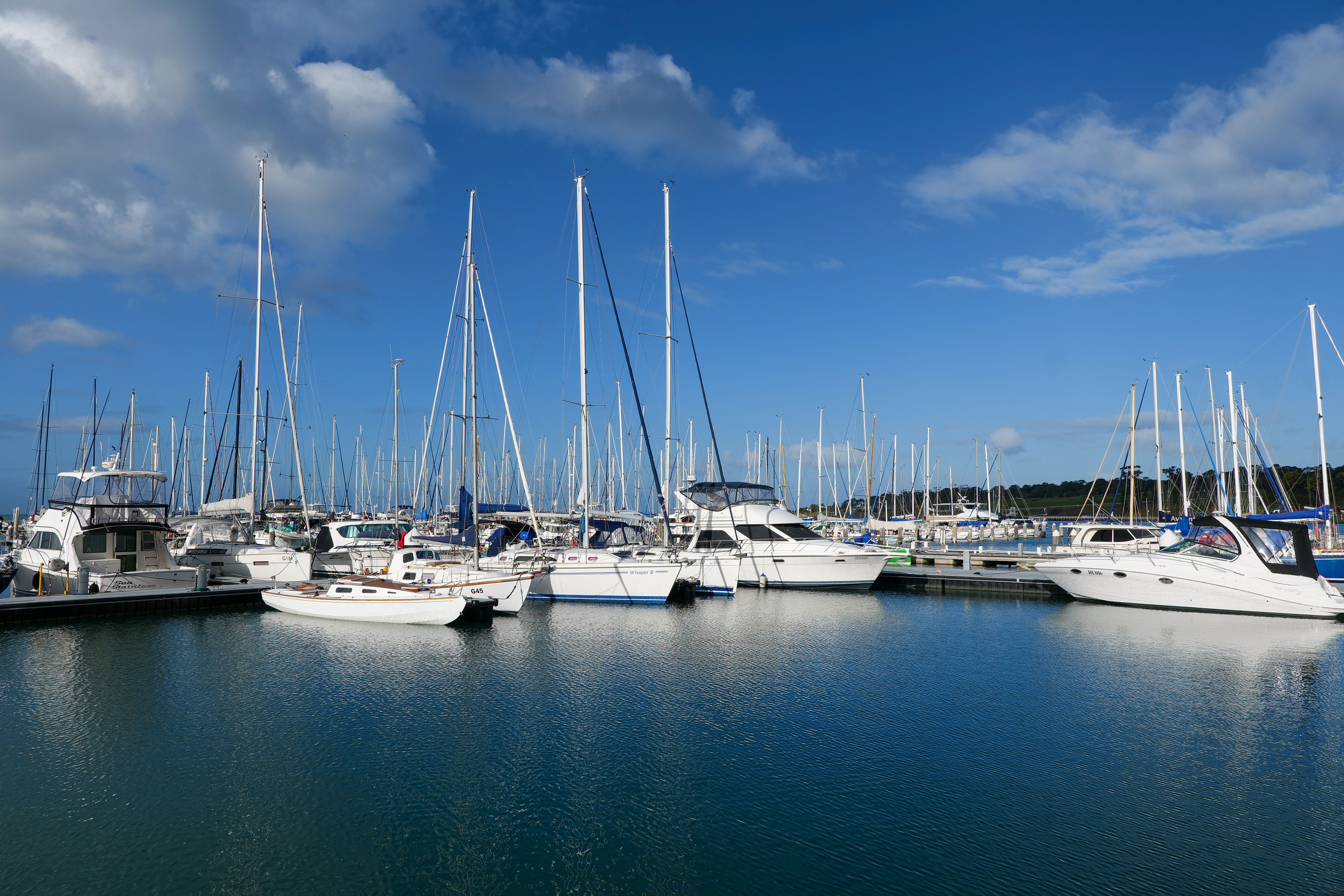
Australia
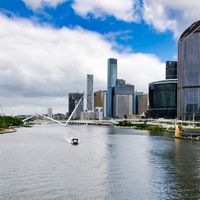
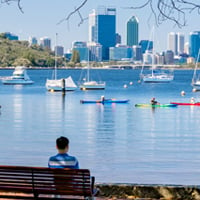
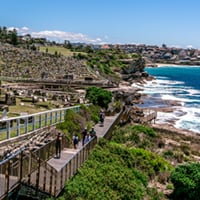
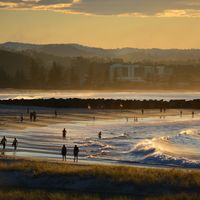
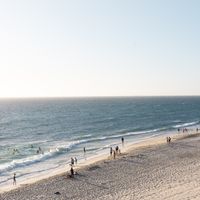
Coastal BeachesAustralia is the world's largest island and smallest continent, located in the Southern Hemisphere between the Indian and Pacific Oceans. It is known for its vast, diverse landscapes ranging from tropical rainforests in the north to deserts in the interior, and temperate regions in the south. The country has a rich multicultural society shaped by Indigenous Aboriginal cultures and waves of immigration, creating a vibrant, cosmopolitan lifestyle in major cities like Sydney, Melbourne, and Brisbane. Australia has a strong, developed economy based on natural resources, agriculture, services, and technology sectors. The lifestyle is generally relaxed and outdoor-oriented, with a strong emphasis on work-life balance, beach culture, and outdoor activities. Major cities offer world-class amenities, excellent healthcare, and education systems, while regional areas provide a slower pace of life with natural beauty.
 PassportCard Expat Health Insurance
Get Quote
Never worry about paying your medical bills out of pocket again. The innovative PassportCard allows for a stress-free experience for all expat families, remote travelers, and workers. With a 24/7 customer service and an outstanding customer base of over 2 Million clients, it will feel like medical care at home. Get up to 10% off on your policy now.
PassportCard Expat Health InsuranceNever worry about paying your medical bills out of pocket again. The innovative PassportCard allows for a stress-free experience for all expat families, remote travelers, and workers. With a 24/7 customer service and an outstanding customer base of over 2 Million clients, it will feel like medical care at home. Get up to 10% off on your policy now.
Get Quote
Podcasts

Episode 6: Jake Barber - Expat Finance Expert and Lifelong Expat



Episode 8: Jake Barber - The Expat Finance Expert Returns
Living in Australia
Best Places to Live in Australia
Visa & Residency
Obtaining a residency in Australia involves a multi-step process that can vary depending on the type of visa applied for. The Skilled Independent visa (subclass 189) is for skilled workers who are not sponsored by an employer, a state or territory, or a family member. Applicants must submit an Expression of Interest (EOI) through SkillSelect and be invited to apply. This visa uses a points-based system, where points are awarded for age, English language ability, skilled employment experience, and qualifications. The Employer Nomination Scheme (subclass 186) allows Australian employers to sponsor foreign nationals for permanent residency if they cannot fill a position with an Australian worker. This also involves a nomination process and an application for the visa itself. For those looking for temporary residency, the Working Holiday visa (subclass 417 for eligible countries and subclass 462 for others) is popular among young adults aged 18 to 30 (35 for some countries). It allows them to travel and work in Australia for up to a year, with the possibility of extending the visa by working in specific regional industries. The process can be complex and requires careful preparation of documents and evidence. Applicants must meet health and character requirements, and often a skills assessment is necessary. The difficulty of the process can vary greatly depending on individual circumstances, the accuracy of the application, and the specific requirements of the visa being applied for. It is not uncommon for applicants to seek assistance from migration agents or lawyers to navigate the process. Overall, while the process is thorough and can be competitive, especially for skilled visas, it is generally considered to be fair and systematic.
Healthcare in Australia
Australia boasts a robust system known as Medicare, which provides free or subsidized health services to Australian citizens, permanent residents, and some visitors from countries with reciprocal healthcare agreements. Medicare covers a range of services including hospital care, primary care, and prescription medications. Private healthcare exists alongside the public system, offering quicker access to specialists and elective surgeries, as well as private hospital rooms. While the quality of healthcare is generally high in both public and private sectors, there can be significant waiting times for certain public services. Expats and digital nomads can access public healthcare if they come from countries with reciprocal healthcare agreements; otherwise, they should secure private health insurance. The cost of private healthcare and insurance can be high, but it provides additional options and flexibility.
Cost of Living
Australia has a high cost of living, particularly in major cities like Sydney and Melbourne where housing is expensive. Median house prices in Sydney exceed AUD $1 million, and rental prices for a one-bedroom apartment in the city center average AUD $2,000–$2,500 per month. Daily expenses including groceries, dining, and utilities are relatively high compared to global standards, though regional areas offer more affordable options. Overall, Australia ranks among the more expensive countries for expatriates, similar to other developed English-speaking nations.
Weather
Australia experiences significant seasonal variation, with summer (December–February) bringing hot temperatures, particularly in the north and interior, while winter (June–August) is mild in most populated areas but can be cool in southern regions. The tropical north experiences a wet season with heavy monsoons during summer months, while the interior and southern regions are generally drier. Coastal areas enjoy temperate conditions year-round, and most of the country experiences abundant sunshine. Extreme weather events such as cyclones in the north and occasional droughts are part of the climate pattern.
Educational System in Australia
The educational system in Australia is renowned for its high quality and is designed to provide students with a broad knowledge base and skill set. Education in Australia is compulsory between the ages of 6 and 16, typically covering primary and secondary schooling. The school year in Australia runs from late January or early February to December, with the year divided into four terms. Primary education starts with Kindergarten or Preparatory Year, followed by Years 1 to 6. Secondary education comprises Years 7 to 12. Students in Years 11 and 12 will often study for the Higher School Certificate (HSC) or a similar qualification, which is necessary for university entrance. Australian schools offer a balanced curriculum that includes English, mathematics, sciences, humanities, and arts, as well as physical education and technology. There is a strong emphasis on developing critical thinking and problem-solving skills. Schools in Australia can be public (government-funded) or private (independent or religious). The quality of education is consistently high, but private schools may offer smaller class sizes and additional extracurricular activities. Many schools also provide support for children with special needs and those for whom English is a second language. The Australian education system is inclusive and aims to cater to the diverse needs of its student population
Living in Australia
Healthcare in Australia
Best Places to Live in Australia
Moving to Australia