Munich
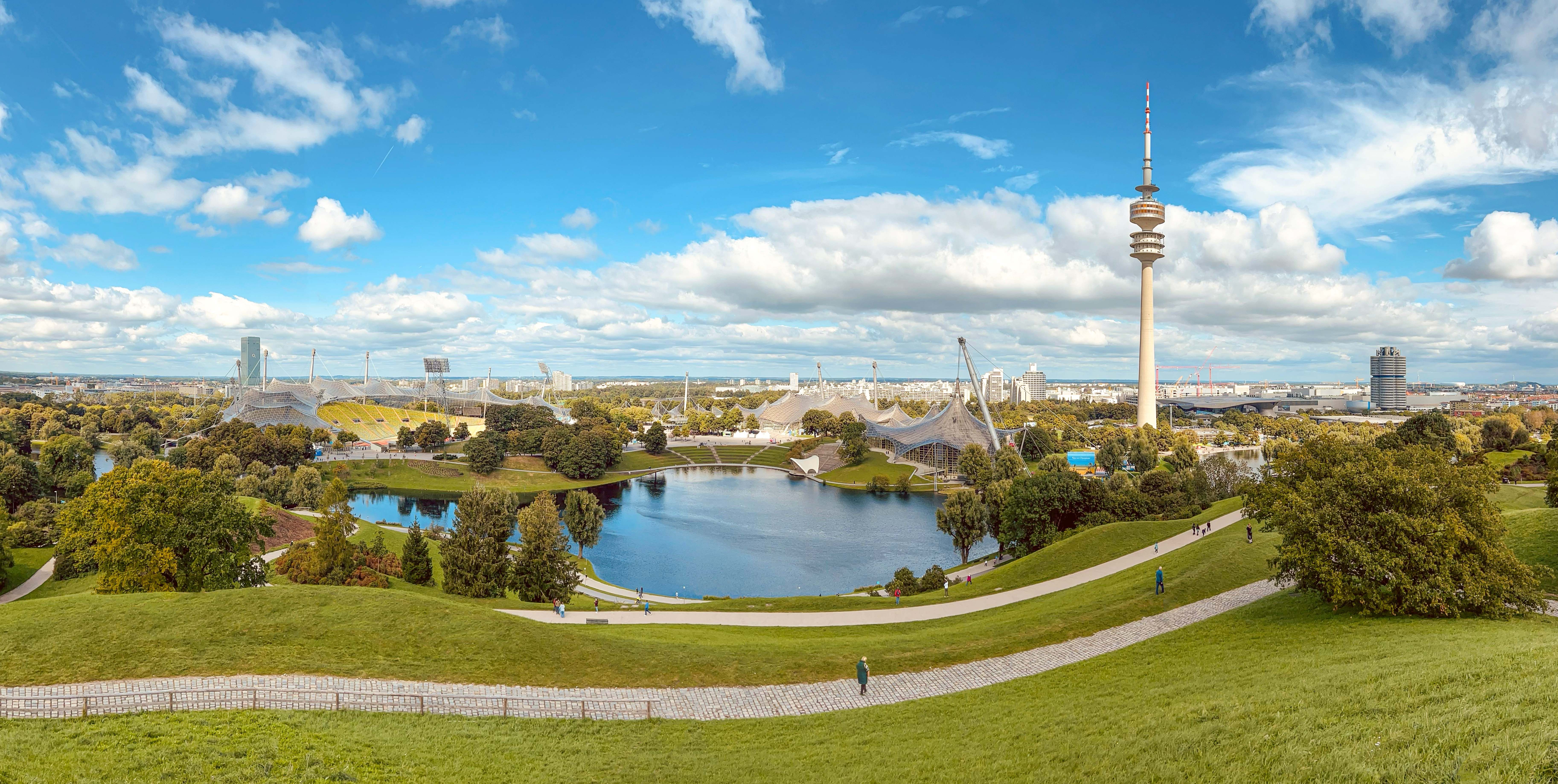
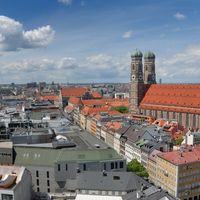
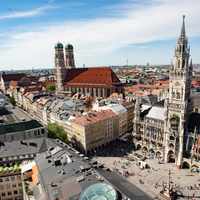
Urban RiverfrontMunich is the capital and largest city of Bavaria, located in southeastern Germany. As one of Europe's most vibrant cultural and economic centers, Munich blends centuries of history with contemporary sophistication. The city is renowned for its stunning Baroque and Gothic architecture, including the iconic Marienplatz with its ornate Neo-Gothic town hall and the beautiful Neuschwanstein Castle nearby. Munich serves as a major hub for technology, automotive, and publishing industries, hosting headquarters of leading global companies. The city offers world-class museums, galleries, and cultural institutions that attract millions of visitors annually. Its beer gardens and traditional Bavarian beer halls, particularly during Oktoberfest, are legendary worldwide. Munich's efficient public transportation system, tree-lined streets, and proximity to the Bavarian Alps make it an exceptionally livable city. The local population takes pride in their Bavarian traditions while embracing modern urban amenities, creating a unique atmosphere where heritage and progress coexist harmoniously.
 BlueCross BlueShield Global Solutions
Get Quote
BlueCross BlueShield Global Solutions (BCBS) offers global health plans for international assignments or trips lasting 6 months or longer. With access to over 1.7M medical providers in 190 countries around the world, BCBS provides members with solutions and industry-leading digital services - ensuring top-quality coverage to people who live, work, study and travel internationally.
BlueCross BlueShield Global SolutionsBlueCross BlueShield Global Solutions (BCBS) offers global health plans for international assignments or trips lasting 6 months or longer. With access to over 1.7M medical providers in 190 countries around the world, BCBS provides members with solutions and industry-leading digital services - ensuring top-quality coverage to people who live, work, study and travel internationally.
Get Quote
Visa & Residency
Obtaining a residency in Germany involves several steps and the process can vary depending on the type of visa one is applying for. For expatriates, the most common types of residency visas include the EU Blue Card, Residence Permit for Employment, and Residence Permit for Self-Employed Business Purposes. The EU Blue Card is targeted at highly skilled professionals from non-EU countries who have a job offer in Germany with a minimum salary threshold. Applicants must have a recognized university degree or equivalent. The Residence Permit for Employment is for those who have a specific job offer in Germany, while the Residence Permit for Self-Employed Business Purposes is for entrepreneurs planning to start a business in Germany. To apply for any of these visas, one must first secure a job offer or prove their business plan's viability. The next step is to schedule an appointment with the German embassy or consulate in one's home country to submit the visa application. Required documents typically include a valid passport, proof of health insurance, proof of accommodation in Germany, and relevant certificates or diplomas. For the freelance visa, which is popular among digital nomads, applicants must also provide evidence of their freelance work, such as contracts or letters of intent from potential clients, and prove that their work is in demand in Germany. Once the initial visa is granted, which allows entry into Germany, expatriates must then register with the local residents' registration office and apply for a residence permit to stay longer than the visa's validity. The residence permit application process involves providing additional documentation, such as proof of financial stability and a clean criminal record. The duration of the residence permit can vary, but it is often issued for one year and can be renewed. The EU Blue Card, for example, can lead to permanent residency after 33 months, or 21 months with a B1 level of German language proficiency. Overall, while the process can be bureaucratic and requires thorough preparation, it is generally considered average in terms of difficulty compared to other countries. It is essential to start the application process well in advance of the intended move date and to ensure all paperwork is meticulously completed and accurate.
Cost of Living
The cost of living in Munich is high, particularly for housing, which has seen significant price increases in recent years due to strong demand and limited supply. Rental prices and property values are among the highest in Germany, reflecting the city's economic strength and desirability as a place to live and work. While dining and entertainment can be affordable compared to other major European cities, overall expenses for residents are considerably above the German average.
Weather
Munich experiences a humid continental climate with cold, snowy winters and warm summers. Average temperatures range from around 0°C in January to 24°C in July, with moderate precipitation throughout the year.
Healthcare in Munich
Munich has excellent healthcare facilities with several world-class hospitals including Klinikum der Universität München and Deutsches Herzzentrum München. The city maintains high standards of medical care with modern equipment and well-trained staff, and is well-integrated into Germany's comprehensive public and private healthcare system. Emergency care is readily accessible throughout the city.
Schools in Munich
Munich has several established international schools including the International School of Munich (ISM), which offers IB programs, and the Bavarian International School (BIS), providing English-language education. These schools serve expat families and offer curricula aligned with international standards.
Munich offers bilingual schools with German-English instruction, such as the Munich International School and various Montessori institutions with bilingual programs. These schools blend German education standards with English-language instruction to support multilingual learners.
Local Schools
Restaurants in Munich
Living in Munich
Moving to Munich
Healthcare in Munich