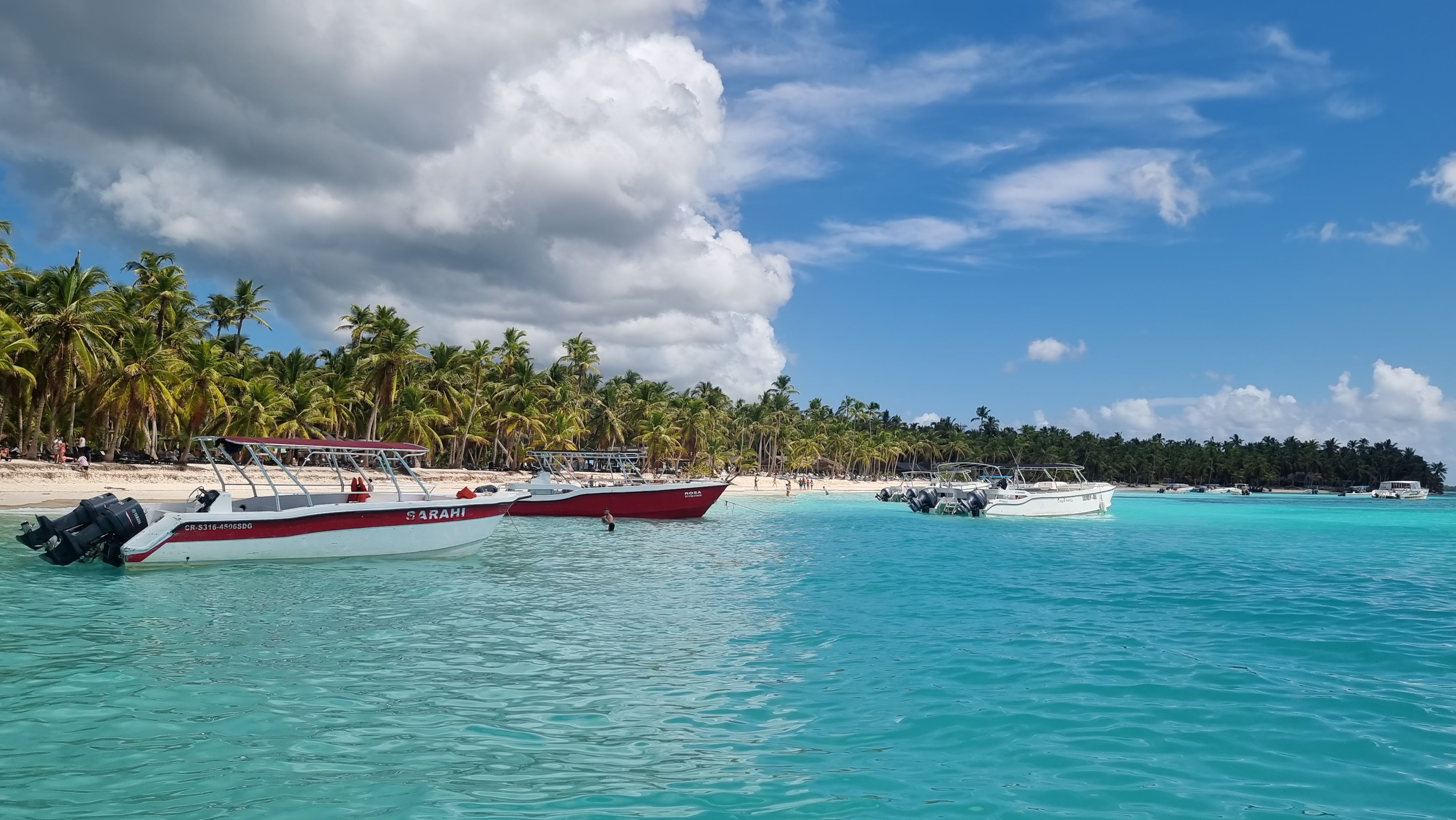


The Dominican Republic
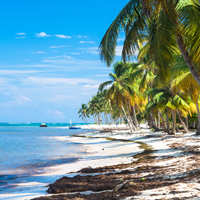
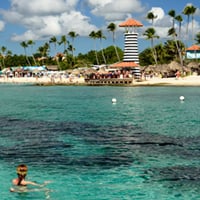
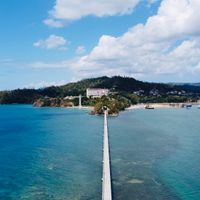
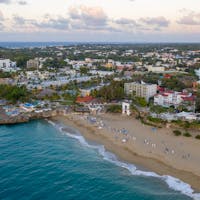
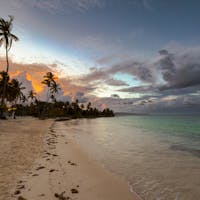
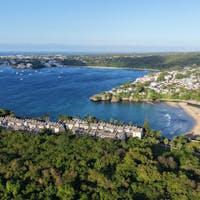
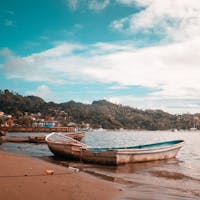
Coastal BeachesThe Dominican Republic is a Caribbean island nation located on the island of Hispaniola, known for its diverse landscapes ranging from tropical beaches to mountainous interior regions. The country has a rich cultural blend influenced by Taíno indigenous heritage, Spanish colonialism, and African traditions, reflected in its music, food, and festivals. The economy is primarily driven by tourism, agriculture, and manufacturing, with a growing service sector. Life in the Dominican Republic offers a relaxed Caribbean pace, vibrant communities, and relatively affordable living compared to many developed nations. The country attracts expats and retirees seeking warm weather, natural beauty, and lower costs of living. Spanish is the official language, though English is increasingly spoken in tourist areas and among younger generations.
 InsideDR Concierge
Get Quote
Because we've done it and we understand what it’s like to move to the Dominican Republic, our goal is to ensure that you and your family feel secure and supported throughout this new adventure. We’re here to welcome and guide you every step of the way.
InsideDR ConciergeBecause we've done it and we understand what it’s like to move to the Dominican Republic, our goal is to ensure that you and your family feel secure and supported throughout this new adventure. We’re here to welcome and guide you every step of the way.
Get Quote


Podcasts
Episode 6: Jake Barber - Expat Finance Expert and Lifelong Expat


Episode 8: Jake Barber - The Expat Finance Expert Returns
Living in Dominican Rep
Best Places to Live in Dominican Rep
Visa & Residency
The process of obtaining a residency in the Dominican Republic can vary depending on the type of visa an expat is applying for. Generally, the process is considered to be of average difficulty compared to other countries. The most common types of residency visas are the Rentista Visa, Pensionado Visa, and Investor Visa. The Rentista Visa is designed for individuals who have a stable and permanent income from investments, financial activities, or other sources outside of the Dominican Republic. To qualify, applicants must prove that they have a monthly income of at least $2,000 USD for a period of five years. This visa is particularly popular among digital nomads and remote workers who can demonstrate the required income. The Pensionado Visa is for retirees who receive a pension from a foreign government, international agency, or private company. Applicants must show proof of a monthly pension of at least $1,500 USD. This visa is attractive for retirees due to the Dominican Republic's favorable climate and relatively low cost of living. The Investor Visa is for those who invest a significant amount of money in the Dominican Republic, such as in real estate, a business, or government bonds. The investment threshold is typically around $200,000 USD. To apply for any of these visas, expats must first gather the required documents, which usually include a passport, birth certificate, marriage certificate (if applicable), police record, health certificate, and proof of income or investment. All documents must be legally translated into Spanish and apostilled or legalized by the Dominican consulate. Once the documents are prepared, the applicant must submit them to the Dominican Migration Department either in person or through a legal representative. After submission, the application will be reviewed, which can take several months. If approved, the applicant will receive a temporary residency permit, which is typically valid for one year and can be renewed. After five years of temporary residency, expats can apply for permanent residency. The process can be bureaucratic and may require the assistance of a local attorney to navigate the complexities of the Dominican system. However, with proper preparation and guidance, obtaining a residency visa in the Dominican Republic is a manageable process for many expats.
Healthcare in Dominican Rep
The healthcare system in the Dominican Republic consists of a mix of public and private facilities. The public healthcare system is accessible to all citizens and legal residents, including those who are unemployed or have low income, through the government's social security system. However, public hospitals and clinics often face challenges such as overcrowding, limited resources, and understaffing. In contrast, private healthcare facilities in the Dominican Republic are known for providing higher quality services with more modern equipment and shorter wait times, but at a higher cost. Many expatriates and digital nomads opt for private healthcare and also invest in private health insurance to ensure access to the best services. Expats can access public healthcare once they have legal residency and are contributing to the social security system, but many prefer private care for more serious health issues.
Cost of Living
The cost of living in the Dominican Republic is generally affordable, particularly outside major tourist areas. Rental prices vary significantly by location, with modest apartments in provincial towns ranging from $300-600 USD monthly, while beachfront or upscale urban properties can cost $1,000-2,500+ USD. Property purchases are relatively inexpensive compared to North American or European standards, with rural land and modest homes available at reasonable prices. Daily expenses for groceries, dining, and utilities are low, making it an attractive destination for budget-conscious expats and retirees.
Weather
The Dominican Republic has a tropical climate with warm temperatures year-round, typically ranging from 75-90°F (24-32°C). The country experiences a rainy season from May to November, with the heaviest rainfall occurring in September and October, which coincides with Atlantic hurricane season. The dry season runs from December to April, offering the most pleasant weather and attracting the majority of tourists. Coastal areas are generally warmer and more humid than mountainous interior regions.
Educational System in Dominican Rep
The educational system in the Dominican Republic is structured similarly to many Latin American countries, with a mix of public and private institutions. Education is compulsory from ages 6 to 14, which corresponds to the primary and secondary levels. The school year typically runs from August to June. The educational journey begins with pre-primary education (nivel inicial) for children aged 3 to 5. Primary education (educación primaria) then takes place from ages 6 to 12 and is divided into two cycles of three years each. Following primary education, students enter secondary education (educación secundaria), which is also divided into two cycles: the basic cycle (ciclo básico) for students aged 12 to 14, and the diversified cycle (ciclo diversificado) for students aged 15 to 17. The diversified cycle offers different modalities such as general, technical-vocational, and arts education, preparing students for higher education or employment. Upon completion of secondary education, students receive a Bachillerato diploma, which is required for university admission. The quality of education in the Dominican Republic varies, with private schools generally offering higher quality education than public schools. However, the government has been working on improving the educational system through various reforms and investments.
Living in Dominican Rep
Healthcare in Dominican Rep
Best Places to Live in Dominican Rep
Moving to Dominican Rep