Understanding the Health System in the Dominican Republic

Summary: Learn about the health system in the Dominican Republic: how it can and cannot be used by expats, nomads, retirees and others moving to and living in the Dominican Republic.
Are you considering an international move to the Dominican Republic? This vibrant Caribbean nation offers a unique blend of culture, history, and natural beauty. But like any other country, it has its pros and cons. Let's dive into the details to help you make an informed decision about your potential new home.
Pros of Living in the Dominican Republic
The Dominican Republic is a melting pot of African, European, and indigenous Taíno influences, resulting in a rich cultural tapestry that is evident in its music, food, and festivals. The friendly and welcoming nature of Dominicans is one of the first things you'll notice. Here, neighbors greet each other warmly, and it's common to see people enjoying each other's company in parks and plazas.
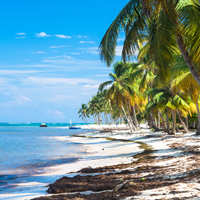
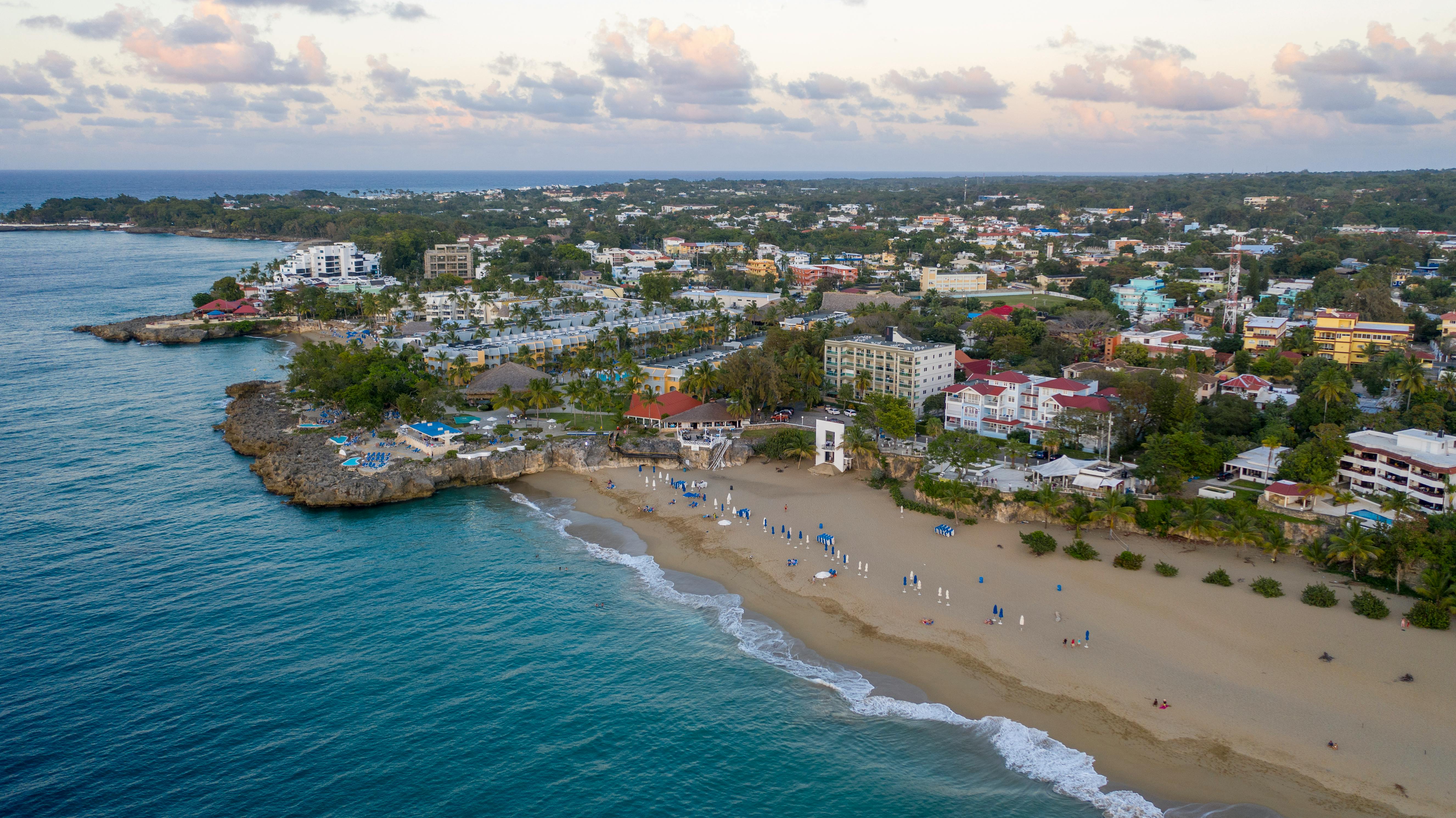
The country boasts a diverse range of landscapes, from lush rainforests and towering mountains to pristine beaches and desert expanses. The Pico Duarte, the Caribbean's highest peak, offers breathtaking views, while the beaches of Punta Cana and Puerto Plata are perfect for relaxation. The Dominican Republic is also home to numerous national parks, like Los Haitises and Parque Nacional del Este, which are teeming with wildlife.
The in the Dominican Republic is generally lower compared to many developed countries. Accommodation, food, and services can be quite affordable, especially if you choose to live like a local. For instance, a one-bedroom apartment in the city center costs around RD$20,000 (approx. USD 350) per month, while a meal at an inexpensive restaurant costs around RD$250 (approx. USD 4.50).
The Dominican Republic has a stable and growing economy, with key industries including tourism, agriculture, and manufacturing. The country is also part of the DR-CAFTA free trade agreement with the United States, encouraging business development and international investment. This economic environment can present opportunities for entrepreneurs and job seekers alike.
One of the most appealing aspects of life in the Dominican Republic is its laid-back pace. Here, people prioritize enjoying life and spending time with loved ones. This is exemplified by the popular phrase "ahora no, mañana," which translates to "not now, tomorrow." While it might take some adjustment if you're coming from a fast-paced culture, many expats find this relaxed approach to life refreshing.
The Dominican Republic is also a great place for outdoor enthusiasts. Water sports like surfing, diving, and kiteboarding are popular, thanks to the country's extensive coastline. Cabarete, on the north coast, is a world-renowned spot for kiteboarding and windsurfing. Additionally, the country boasts numerous golf courses designed by some of the sport's legends, like Pete Dye and Jack Nicklaus.
Lastly, the Dominican Republic has a vibrant and diverse food scene. The local cuisine is a mix of Spanish, African, and Taíno influences, with staples like rice, beans, plantains, and meat. You'll find everything from high-end dining to street food, with each region offering its unique culinary delights. Don't forget to try the national dish, la bandera (the flag), which consists of rice, red beans, meat, and fried plantains.
Cons of Living in the Dominican Republic
While the Dominican Republic has many appealing aspects, it's essential to consider the challenges as well. One of the primary concerns for many expats is safety and crime. Petty crime, like pickpocketing and bag snatching, is common, particularly in tourist areas and crowded cities. More severe crimes, such as robberies and home invasions, also occur. It's crucial to stay vigilant, avoid isolated areas, and secure your belongings.
Infrastructure in the Dominican Republic can be lacking compared to developed countries. Power outages are common, especially in rural areas, and the quality of roads varies significantly. In Santo Domingo, traffic congestion can be severe, leading to long commute times. Additionally, public transportation is limited, and many expats choose to drive or use private transportation services.
The quality of healthcare in the Dominican Republic varies widely. While there are excellent private hospitals and clinics in major cities, public healthcare facilities often face challenges like underfunding and overcrowding. It's essential to have health insurance that covers private healthcare services and, if possible, includes evacuation coverage for more serious medical issues.
Corruption is a persistent issue in the Dominican Republic, affecting both the public and private sectors. According to Transparency International, the country ranks among the most corrupt in the region. Corruption can impact various aspects of life, from dealing with bureaucracy to business operations. It's crucial to be aware of these issues and conduct thorough due diligence when engaging in business or legal matters.
The Dominican Republic's education system may not meet the standards that expats are accustomed to, particularly in the public sector. While there are excellent private and international schools, they can be expensive. Additionally, the language barrier can be a challenge for expats who don't speak Spanish, as it is the primary language of instruction.
Adjusting to the local culture and customs can also present challenges. The concept of "Dominican time" means that punctuality is not always strictly observed, which can be frustrating for those from more time-sensitive cultures. Additionally, the direct and sometimes loud communication style of Dominicans might take some getting used to.
Natural hazards are a reality in the Dominican Republic. The country is located in the hurricane belt and is prone to tropical storms and hurricanes, particularly during the Atlantic hurricane season. Earthquakes can also occur, although they are less frequent than in some other Caribbean nations. It's essential to be prepared for these events and follow local safety guidelines.
Lastly, the Dominican Republic's approach to environmental protection and sustainability may not align with the expectations of expats from more eco-conscious countries. While efforts are being made to improve waste management and conservation, issues like littering, pollution, and deforestation persist. Expats who are passionate about environmental issues may find these challenges difficult to navigate.
Moving to the Dominican Republic offers a unique blend of cultural experiences, natural beauty, and affordability. However, it's crucial to weigh these benefits against the challenges, such as safety concerns, infrastructure limitations, and cultural differences. By understanding both the pros and cons, you can make an informed decision about whether the Dominican Republic is the right fit for you.
Insider Tips from Expats in Dominican Rep: How to Navigate the Health System
"You must purchase private insurance here. Public medical care is available but it is not the same, it is seriously inferior," commented one expat living in Santo Domingo, Dominican Republic.
"The Dominican Republic offers a wide range of healthcare services, including primary care, specialty care, and hospital services. The public healthcare system is managed by the Ministry of Public Health and Social Assistance, and is funded by the government. The quality of public healthcare varies, with some areas having better access to resources and better quality care than others. Foreign residents do have access to the public healthcare system, but they may need to pay out-of-pocket for some services. Expats in the Dominican Republic often use the public healthcare system, but they may also opt for private healthcare services, which are generally of higher quality," mentioned one expat living in the Dominican Republic.
"Emergency services in the Dominican Republic are generally reliable and efficient. In the event of an emergency, you can call 911 to request an ambulance. The emergency services personnel are trained to respond quickly and provide medical assistance. Additionally, the Dominican Republic has a number of private ambulance services that can be contacted in the event of an emergency," commented one member living in the Dominican Republic.
"Private hospitals differ one from the other. Most are good and some are excellent. You can get almost all kinds of care in private hospitals and good quality care in private clinics. There are many private facilities in Santo Domingo," mentioned one expat living in Dominican Republic.
About the Author
 Joshua Wood, LPC joined Expat Exchange in 2000 and serves as one of its Co-Presidents. He is also one of the Founders of Digital Nomad Exchange. Prior to Expat Exchange, Joshua worked for NBC Cable (MSNBC and CNBC
Primetime). Joshua has a BA from Syracuse and a Master's in Clinical and Counseling Psychology from Fairleigh Dickinson University. Mr. Wood is also a licensed counselor and psychotherapist.
Joshua Wood, LPC joined Expat Exchange in 2000 and serves as one of its Co-Presidents. He is also one of the Founders of Digital Nomad Exchange. Prior to Expat Exchange, Joshua worked for NBC Cable (MSNBC and CNBC
Primetime). Joshua has a BA from Syracuse and a Master's in Clinical and Counseling Psychology from Fairleigh Dickinson University. Mr. Wood is also a licensed counselor and psychotherapist.
Some of Joshua's articles include Pros and Cons of Living in Portugal, 10 Best Places to Live in Ireland and Pros and Cons of Living in Uruguay. Connect with Joshua on LinkedIn.
Additional Information:
- Dominican Rep Guide
- Healthcare & Health Insurance in Dominican Rep
- Members Talk about Healthcare & Health Insurance in Dominican Rep
- Best Places to Live in Dominican Rep
- Real Estate in Dominican Rep
- Guide to Real Estate in Dominican Rep
- Pros & Cons of Living in Dominican Rep
- Cost of Living in Dominican Rep
- 7 Healthcare & Health Insurance Tips for Expats in the Dominican Republic
- 11 Things to Know Before Moving to the Dominican Republic
- 8 Best Places to Live in the Dominican Republic
- Pros and Cons of Living in Dominican Rep 2026
- 2026 Guide to Moving to Dominican Rep