Greece
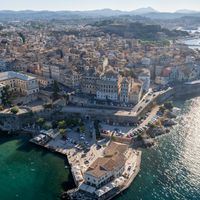
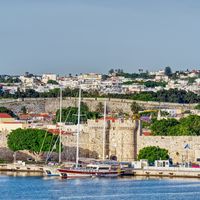
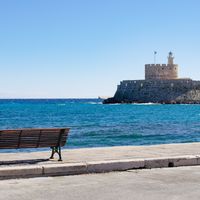
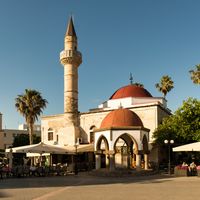
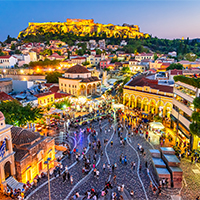
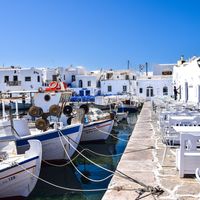
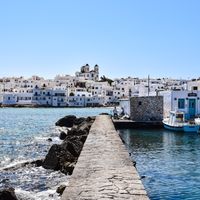
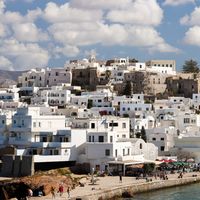
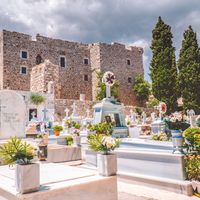
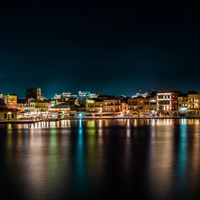
Coastal BeachesGreece is a southeastern European country located at the crossroads of Europe, Asia, and Africa, comprising a mainland region and thousands of islands scattered across the Aegean and Ionian Seas. Known as the birthplace of Western civilization, Greece has a rich cultural heritage spanning thousands of years, with ancient ruins, Byzantine monasteries, and vibrant modern cities. The country has a Mediterranean lifestyle characterized by strong family values, outdoor dining, and a relaxed pace of life. The economy is primarily based on tourism, shipping, agriculture, and services, with increasing investment in renewable energy. Greece offers a blend of cosmopolitan urban centers like Athens and Thessaloniki alongside peaceful island communities and traditional villages. The country is part of the European Union and uses the Euro, making it accessible for European relocators while maintaining its distinct Greek identity.
 SJB Global
Connect
SJB-Global is a top-rated financial advisory firm specializing in expat financial advice worldwide, offering retirement planning & tax-efficient solutions with a regressive fee model. Our clients benefit from their country’s most favorable tax environment by utilizing the efficient investment vehicles we offer. Our commitment to quality service is reflected in our stellar reviews, with over 300 testimonials boasting 95% five-star ratings.
Click connect to have our partner contact you via e-mail and/or phone.
SJB GlobalSJB-Global is a top-rated financial advisory firm specializing in expat financial advice worldwide, offering retirement planning & tax-efficient solutions with a regressive fee model. Our clients benefit from their country’s most favorable tax environment by utilizing the efficient investment vehicles we offer. Our commitment to quality service is reflected in our stellar reviews, with over 300 testimonials boasting 95% five-star ratings.
Connect
Click connect to have our partner contact you via e-mail and/or phone.






Podcasts

Episode 8: Jake Barber - The Expat Finance Expert Returns



Episode 6: Jake Barber - Expat Finance Expert and Lifelong Expat
Living in Greece
Best Places to Live in Greece
Visa & Residency
Obtaining a residency in Greece involves several steps and the process can vary depending on the type of visa one is applying for. The Greece Golden Visa is a popular option for non-EU expats who are willing to make a significant investment in Greece, typically in real estate. This visa grants a five-year residency permit, which can be renewed as long as the investment is maintained. Applicants must invest at least €250,000 in Greek real estate and the process includes gathering necessary documents, such as a clean criminal record and health insurance, and submitting them to the Greek consulate or embassy in their home country. Another option is the D Visa for Long Term Residence, which is suitable for various purposes such as employment, study, or family reunification. The requirements for this visa include a demonstration of sufficient financial resources, health insurance, and a clean criminal record. The application process involves submitting the required documents to the Greek consulate or embassy. For digital nomads, Greece introduced the Digital Nomad Visa, which caters to those who work remotely and wish to live in Greece. To qualify, applicants must prove they are employed or own a company outside of Greece and have sufficient income to support their stay. The income requirement is at least €3,500 per month. This visa allows individuals to stay in Greece for up to 12 months and can be renewed. Overall, while the process can be bureaucratic and may require patience and attention to detail, it is generally considered average in terms of difficulty compared to other European countries. It is important to start the application process well in advance of the intended move date and to ensure all paperwork is accurately completed and submitted. Consulting with a legal expert or who specializes in Greek immigration law can be very helpful in navigating the process.
Healthcare in Greece
The healthcare system in Greece consists of a mix of public and private healthcare services. The public healthcare system, known as ESY (National Health System), provides medical services to residents, funded by taxation. Public healthcare includes primary, secondary, and tertiary care, with hospitals and clinics spread across the country. While the quality of public healthcare can vary, with some hospitals in urban areas being well-equipped, others, especially in rural areas, may face resource constraints. Private healthcare in Greece offers an alternative, with shorter waiting times and more personalized care, but at a higher cost. Expats and digital nomads who are legal residents in Greece and contribute to the social security system can access public healthcare. Those with European health insurance Cards (EHIC) can also receive necessary healthcare during temporary visits. Private health insurance is recommended for those who are not covered by the public system or seek more immediate and comprehensive services.
Cost of Living
Greece offers relatively affordable living compared to Western Europe, though costs vary significantly between islands and the mainland. Rental prices in Athens range from €400-800 monthly for a one-bedroom apartment in central areas, while outside the capital they can be 30-50% cheaper. Property purchase prices average €3,000-5,000 per square meter in major cities, considerably lower than Northern European standards. Daily expenses including food, utilities, and transportation are moderate, making Greece an attractive destination for budget-conscious relocators, particularly outside peak tourist seasons.
Weather
Greece experiences a Mediterranean climate with hot, dry summers and mild, wet winters. Summer temperatures typically range from 28-35°C (82-95°F), while winter temperatures average 5-15°C (41-59°F). Rainfall is concentrated in the winter months, with summers being predominantly dry and sunny. Seasonal variation is moderate, with spring and autumn offering pleasant, temperate conditions ideal for outdoor activities.
Educational System in Greece
The educational system in Greece is comprehensive and structured into three main levels: primary, secondary, and tertiary education. Children typically start their schooling at the age of six, beginning with primary education, which lasts for six years and is referred to as Dimotiko. Following this, they progress to secondary education, which is divided into two stages: Gymnasio (lower secondary education) for three years, and Lykeio (upper secondary education) for another three years. Education is compulsory until the age of 15, which covers primary education and the first stage of secondary education. The Greek educational system is known for its emphasis on classical education, with students learning about Greek history, language, and culture from a young age. Upon completion of Lykeio, students can take the Panhellenic Examinations, which determine their eligibility for higher education. Greek schools are generally well-regarded for their rigorous curriculum, particularly in subjects such as mathematics and the sciences. However, the quality of education can vary depending on the region and whether the school is public or private. Private tutoring is also quite common in Greece, as it helps students prepare for the competitive entrance exams for universities. The school year in Greece runs from September to June, with major breaks during Christmas and Easter, and a long summer vacation
Living in Greece
Healthcare in Greece
Best Places to Live in Greece
Moving to Greece