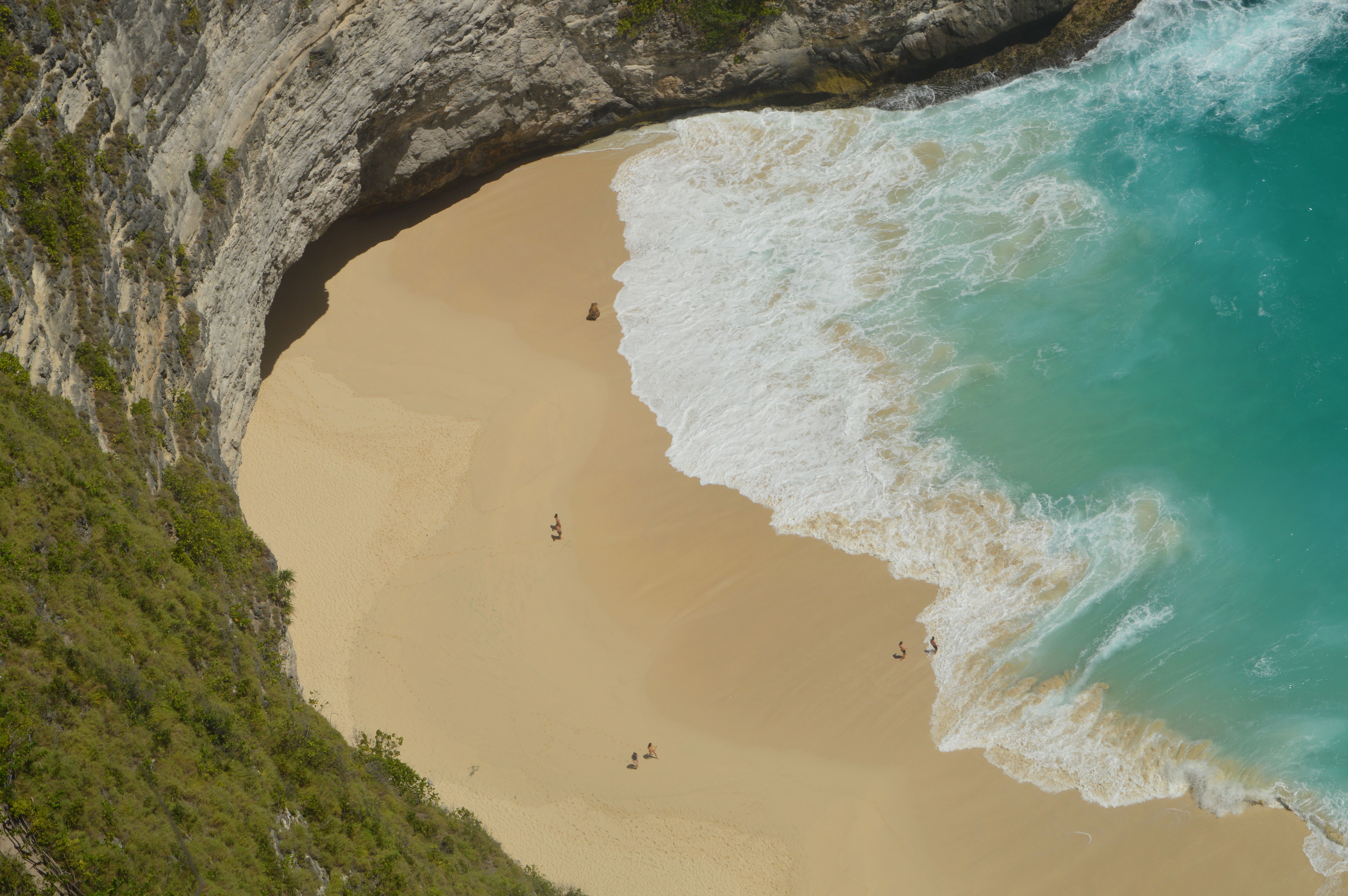
Indonesia
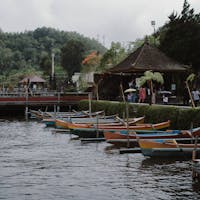
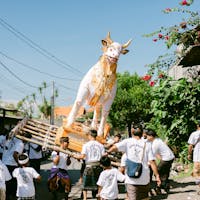
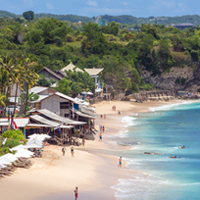
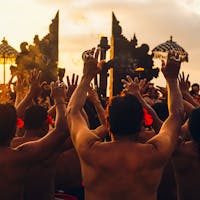
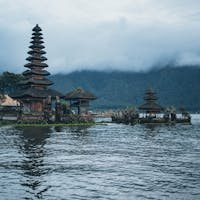
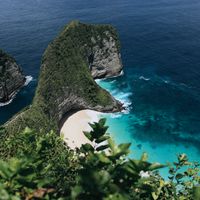
Coastal BeachesIndonesia is the world's largest archipelago, comprising over 17,000 islands stretching across Southeast Asia between the Indian and Pacific Oceans. The country is incredibly diverse, with a rich tapestry of cultures, languages, and religions, though Islam is the predominant faith. Major islands include Java, Sumatra, Borneo, Sulawesi, and Papua, each with distinct characteristics and populations. The economy is Southeast Asia's largest, driven by natural resources, agriculture, manufacturing, and tourism, particularly in Bali and other popular destinations. Indonesia offers a blend of modern urban centers like Jakarta and Surabaya alongside traditional villages and pristine natural landscapes. Life here is generally vibrant and affordable, with a warm, welcoming culture and a significantly lower than Western countries.
 BlueCross BlueShield Global Solutions
Get Quote
BlueCross BlueShield Global Solutions (BCBS) offers global health plans for international assignments or trips lasting 6 months or longer. With access to over 1.7M medical providers in 190 countries around the world, BCBS provides members with solutions and industry-leading digital services - ensuring top-quality coverage to people who live, work, study and travel internationally.
BlueCross BlueShield Global SolutionsBlueCross BlueShield Global Solutions (BCBS) offers global health plans for international assignments or trips lasting 6 months or longer. With access to over 1.7M medical providers in 190 countries around the world, BCBS provides members with solutions and industry-leading digital services - ensuring top-quality coverage to people who live, work, study and travel internationally.
Get Quote


Podcasts

Episode 8: Jake Barber - The Expat Finance Expert Returns



Episode 6: Jake Barber - Expat Finance Expert and Lifelong Expat
Living in Indonesia
Best Places to Live in Indonesia
Visa & Residency
Obtaining a residency in Indonesia involves several steps and can vary in difficulty depending on the type of visa and the applicant's circumstances. The most common types of residency visas for expats are the KITAS and KITAP. The KITAS is a temporary stay permit that is usually valid for 6 to 12 months and can be extended. It is suitable for those who are employed in Indonesia, foreign investors, or those married to Indonesian citizens. The KITAP is a permanent stay permit, which is typically valid for 5 years and can be extended indefinitely. It is available to those who have held a KITAS for a certain number of years, among other eligibility criteria. To apply for a KITAS, an expat must first secure a job or a sponsorship from an Indonesian company. The company must apply for a work permit on behalf of the expat. Once the work permit is approved, the expat can apply for the KITAS. The process involves submitting various documents, such as a passport, health insurance, and proof of financial capability, to the Indonesian authorities. The expat must also undergo a medical check-up. After the KITAS is issued, the expat must report to the local immigration office for biometric data collection. For those not working in Indonesia, such as retirees or spouses of Indonesian citizens, there are other types of KITAS available that require sponsorship from an Indonesian citizen or a legal entity in Indonesia. Digital nomads often use the B211A Social-Cultural Visa, which is intended for social, cultural, or educational purposes. This visa is initially valid for 60 days and can be extended four times, each extension granting an additional 30 days, for a total stay of up to 180 days. To obtain this visa, applicants must provide sponsorship from an Indonesian citizen or a social or cultural organization, proof of sufficient funds, and a return ticket or onward journey. The process of obtaining residency in Indonesia can be complex and time-consuming, often requiring the assistance of a legal professional or an agent to navigate the bureaucracy. However, with proper guidance and complete documentation, the difficulty level is generally considered average compared to other countries.
Healthcare in Indonesia
The healthcare system in Indonesia consists of a mix of public and private healthcare services. The public healthcare system is managed by the government and provides services at various levels, from community health centers (Puskesmas) to referral hospitals. The quality of public healthcare can vary significantly, with urban areas typically having better facilities and more skilled healthcare professionals than rural areas. Private healthcare in Indonesia offers higher quality services with more modern facilities and shorter waiting times, but at a higher cost. Both public and private healthcare costs can be a burden for the lower-income population. Expats and digital nomads can access public healthcare by participating in the national health insurance scheme (BPJS Kesehatan) once they have a residency permit, although many opt for private health insurance to ensure access to private hospitals.
Cost of Living
Indonesia offers very affordable living compared to Western countries and most developed Asian nations. Rental costs vary significantly by location: in Jakarta or Bali tourist areas, a one-bedroom apartment in the city center might cost $400-800 USD monthly, while outside major tourist zones it can be $200-400. Property purchases range from $1,500-3,000 USD per square meter in popular areas to much less in rural regions. Daily expenses including food, transportation, and utilities are remarkably low, with local meals costing $1-3 USD and public transport fares under $1.
Weather
Indonesia experiences a tropical climate with two main seasons: the wet season (November to March) and the dry season (June to September). Temperatures remain consistently warm year-round, typically ranging from 24-32°C (75-90°F) across most regions. Humidity is high throughout the year, and rainfall is abundant, particularly during the wet season when monsoons bring heavy downpours. Regional variations exist, with some areas experiencing more pronounced seasonal differences than others.
Educational System in Indonesia
The educational system in Indonesia is overseen by the Ministry of Education and Culture and the Ministry of Religious Affairs. Education is compulsory for 12 years, covering primary and secondary education. Children typically start their education at the age of 6 or 7 with primary school, which lasts for six years and is referred to as Sekolah Dasar (SD). Following this, they attend three years of Junior Secondary School (Sekolah Menengah Pertama, SMP), and then three years of Senior Secondary School (Sekolah Menengah Atas, SMA) or vocational school (Sekolah Menengah Kejuruan, SMK). The quality of education can vary significantly, with urban areas generally offering better resources and facilities compared to rural areas. Public schools are free, although there may be additional costs for uniforms, books, and other supplies. Private and are also available, offering different curricula and often higher quality education, but at a cost. The academic year in Indonesia typically runs from July to June, with a break in December. Upon graduation, students may take the national examination, which is crucial for university admission.
Living in Indonesia
Healthcare in Indonesia
Best Places to Live in Indonesia
Moving to Indonesia