The Netherlands
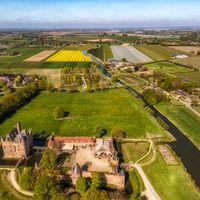
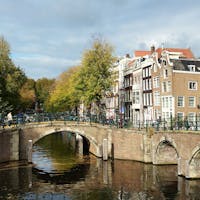
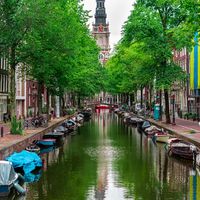
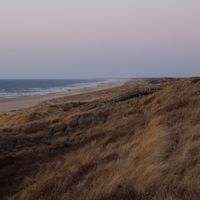
Coastal BeachesThe Netherlands is a small, densely populated country in Western Europe known for its flat landscape, extensive canal systems, and innovative water management. Located in the Rhine-Meuse delta, it borders Germany and Belgium and has a rich history of maritime trade and engineering. Dutch culture emphasizes directness, cycling, and a high quality of life with excellent public services and infrastructure. The economy is highly developed and export-oriented, with major sectors including agriculture, technology, and logistics. The country is famous for its tulips, windmills, and picturesque villages alongside modern cities like Amsterdam and Rotterdam. Life in the Netherlands is generally orderly, progressive, and cosmopolitan, with strong social systems and a high standard of living.
 SJB Global
Connect
SJB-Global is a top-rated financial advisory firm specializing in expat financial advice worldwide, offering retirement planning & tax-efficient solutions with a regressive fee model. Our clients benefit from their country’s most favorable tax environment by utilizing the efficient investment vehicles we offer. Our commitment to quality service is reflected in our stellar reviews, with over 300 testimonials boasting 95% five-star ratings.
Click connect to have our partner contact you via e-mail and/or phone.
SJB GlobalSJB-Global is a top-rated financial advisory firm specializing in expat financial advice worldwide, offering retirement planning & tax-efficient solutions with a regressive fee model. Our clients benefit from their country’s most favorable tax environment by utilizing the efficient investment vehicles we offer. Our commitment to quality service is reflected in our stellar reviews, with over 300 testimonials boasting 95% five-star ratings.
Connect
Click connect to have our partner contact you via e-mail and/or phone.



Podcasts

Episode 6: Jake Barber - Expat Finance Expert and Lifelong Expat



Episode 8: Jake Barber - The Expat Finance Expert Returns
Living in Netherlands
Best Places to Live in Netherlands
Visa & Residency
The process of obtaining a residency in the Netherlands varies depending on the type of visa and the applicant's circumstances. For expats, the Highly Skilled Migrant Visa is a common choice. This requires an employment contract with a Dutch employer who is recognized by the IND (Immigration and Naturalisation Service) as a sponsor. The employer must also meet the salary criteria set by the IND. The Self-employed Visa is another option, which involves a point-based system assessing the viability of the business and its value to the Dutch economy. The Startup Visa is for entrepreneurs with an innovative business idea, and it requires mentorship from a recognized Dutch facilitator. For digital nomads, the Orientation Year Visa for Highly Educated Persons is popular. It is designed for those who have completed higher education and wish to look for work or start a business within the Netherlands. This visa is valid for one year and does not require a sponsor, but applicants must have graduated from a top 200 university in the last three years or have completed a research project in the Netherlands. The application process generally involves gathering the necessary documents, such as a valid passport, birth certificate, and proof of health insurance, and submitting them to the IND. Depending on the visa type, additional documents like a business plan or an employment contract may be required. The IND then assesses the application, which can take from a few weeks to several months. Some visas, like the Highly Skilled Migrant Visa, can be expedited through the fast-track Orange Carpet Programme if the employer is a recognized sponsor. Overall, while the process can be bureaucratic and requires careful attention to detail, the Netherlands offers a variety of visas to suit different needs, and the process is generally considered average in terms of difficulty compared to other countries. Applicants are advised to start the process well in advance of their intended move date and to ensure they meet all the specific criteria for their chosen visa type.
Healthcare in Netherlands
The healthcare system in the Netherlands is known for its high quality and is a combination of mandatory basic insurance and optional private insurance. All residents are required to purchase basic health insurance, which covers standard medical care, including visits to a general practitioner, hospital stays, and essential medical treatments. Private insurance is available for additional coverage or for services not included in the basic package. The quality of both public and private healthcare is generally considered to be excellent, with modern facilities and well-trained medical staff. The cost of public healthcare is managed through regulated insurance premiums and income-related contributions. Expats and digital nomads can gain access to public healthcare once they become residents and purchase the mandatory health insurance. It is advisable for them to arrange for health insurance as soon as they receive their residence permit.
Cost of Living
The cost of living in the Netherlands is relatively high, particularly in major cities like Amsterdam, where housing is expensive. Rental prices for a one-bedroom apartment in city centers typically range from €1,200-1,800 per month, while outside city centers they average €900-1,200. Property purchase prices are substantial, often exceeding €6,000-8,000 per square meter in urban areas. Daily expenses for groceries, dining, and utilities are moderate to high compared to global standards but reasonable relative to other Western European countries.
Weather
The Netherlands experiences a temperate maritime climate with mild winters and cool summers. Winter temperatures typically range from 0-5°C (32-41°F), while summers average 15-20°C (59-68°F). Rainfall is distributed throughout the year, with autumn and winter being slightly wetter. The country experiences frequent cloud cover and relatively limited sunshine hours compared to southern European countries.
Educational System in Netherlands
The educational system in the Netherlands is known for its high quality and is divided into primary and secondary education, followed by vocational or higher education. Children start primary school at the age of 4 and continue until they are 12. This stage is called 'basisonderwijs' and it focuses on basic skills such as reading, writing, and arithmetic, along with the beginnings of subjects like history, geography, and foreign languages. After primary school, students move on to secondary education, which is divided into different levels based on the student's academic ability and interests: VMBO (pre-vocational education), HAVO (senior general secondary education), and VWO (pre-university education). VMBO lasts for 4 years, HAVO for 5 years, and VWO for 6 years. At the end of secondary education, students take a national exam to obtain their diploma, which is necessary to progress to higher education. The Dutch educational system emphasizes student independence and critical thinking, with a focus on preparing students for their future careers and participation in society.
Living in Netherlands
Healthcare in Netherlands
Best Places to Live in Netherlands
Moving to Netherlands