Driving in Huambo

Summary: Driving in a new country can be daunting. These tips offer insight into what to expect when driving in Huambo.
1. Understanding the Driving Conditions
Driving in Huambo can be challenging due to the poor road conditions. Many roads are unpaved and those that are paved often have potholes. During the rainy season, some roads may become impassable. It's also common to encounter pedestrians, cyclists, and animals on the roads. Therefore, it's important to drive cautiously and defensively.
2. Choosing the Right Vehicle
Given the road conditions, a 4x4 vehicle is highly recommended. This type of vehicle can handle the rough terrain and is more reliable during the rainy season. It's also advisable to ensure your vehicle is well-maintained and equipped with a spare tire and necessary tools in case of a breakdown.
3. Parking in Huambo
Finding parking in Huambo can be difficult, especially in the city center. However, parking is generally not expensive. It's advisable to park in secured parking lots where possible, as car theft can be a problem.
4. Driving with an International License
Foreigners can drive in Angola with an international driving permit (IDP) for up to 90 days. After this period, you will need to obtain a local driving license. It's important to always carry your IDP and passport when driving, as you may be asked to show these documents at police checkpoints.
5. Obtaining a Local Driving License
To obtain a local driving license in Angola, you will need to pass a driving test. This involves a written theory test and a practical driving test. The tests are usually conducted in Portuguese, so you may need to have a good understanding of the language or hire a translator. You will also need to provide a medical certificate to prove you are fit to drive.
6. Respecting Traffic Rules
It's important to respect the traffic rules in Angola. Speed limits are generally 60 km/h in urban areas and 100 km/h on highways. Seat belts are mandatory for all passengers. Drinking and driving is strictly prohibited and penalties are severe.
7. Dealing with Police Checkpoints
Police checkpoints are common in Angola. If you are stopped, remain calm and polite. Show your IDP and passport when asked. It's advisable to carry small amounts of cash to pay for any fines on the spot, as you may not be allowed to continue your journey until the fine is paid.

BlueCross BlueShield Global Solutions (BCBS) offers global health plans for international assignments or trips lasting 6 months or longer. With access to over 1.7M medical providers in 190 countries around the world, BCBS provides members with solutions and industry-leading digital services - ensuring top-quality coverage to people who live, work, study and travel internationally.
BlueCross BlueShield Global Solutions (BCBS) offers global health plans for international assignments or trips lasting 6 months or longer. With access to over 1.7M medical providers in 190 countries around the world, BCBS provides members with solutions and industry-leading digital services - ensuring top-quality coverage to people who live, work, study and travel internationally.
About the Author
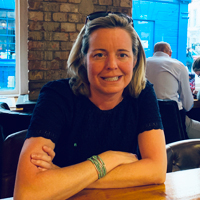 Betsy Burlingame is the Founder and President of Expat Exchange and is one of the Founders of Digital Nomad Exchange. She launched Expat Exchange in 1997 as her Master's thesis project at NYU. Prior to Expat Exchange, Betsy worked at AT&T in International
and Mass Market Marketing. She graduated from Ohio Wesleyan University
with a BA in International Business and German.
Betsy Burlingame is the Founder and President of Expat Exchange and is one of the Founders of Digital Nomad Exchange. She launched Expat Exchange in 1997 as her Master's thesis project at NYU. Prior to Expat Exchange, Betsy worked at AT&T in International
and Mass Market Marketing. She graduated from Ohio Wesleyan University
with a BA in International Business and German.
Some of Betsy's articles include 12 Best Places to Live in Portugal, 7 Best Places to Live in Panama and 12 Things to Know Before Moving to the Dominican Republic. Betsy loves to travel and spend time with her family. Connect with Betsy on LinkedIn.
Additional Information: