Pros and Cons of Living in Algeria

Summary: If you're moving to Algeria, it's important to learn about both the Pros AND Cons of living in Algeria.
Are you considering an international move to Algeria? This North African country offers a unique blend of cultural heritage, natural beauty, and modern development. However, as with any potential new home, it's essential to weigh the advantages and challenges before making a decision. Let's explore the pros and cons of living in Algeria to help you make an informed choice.
Pros of Living in Algeria
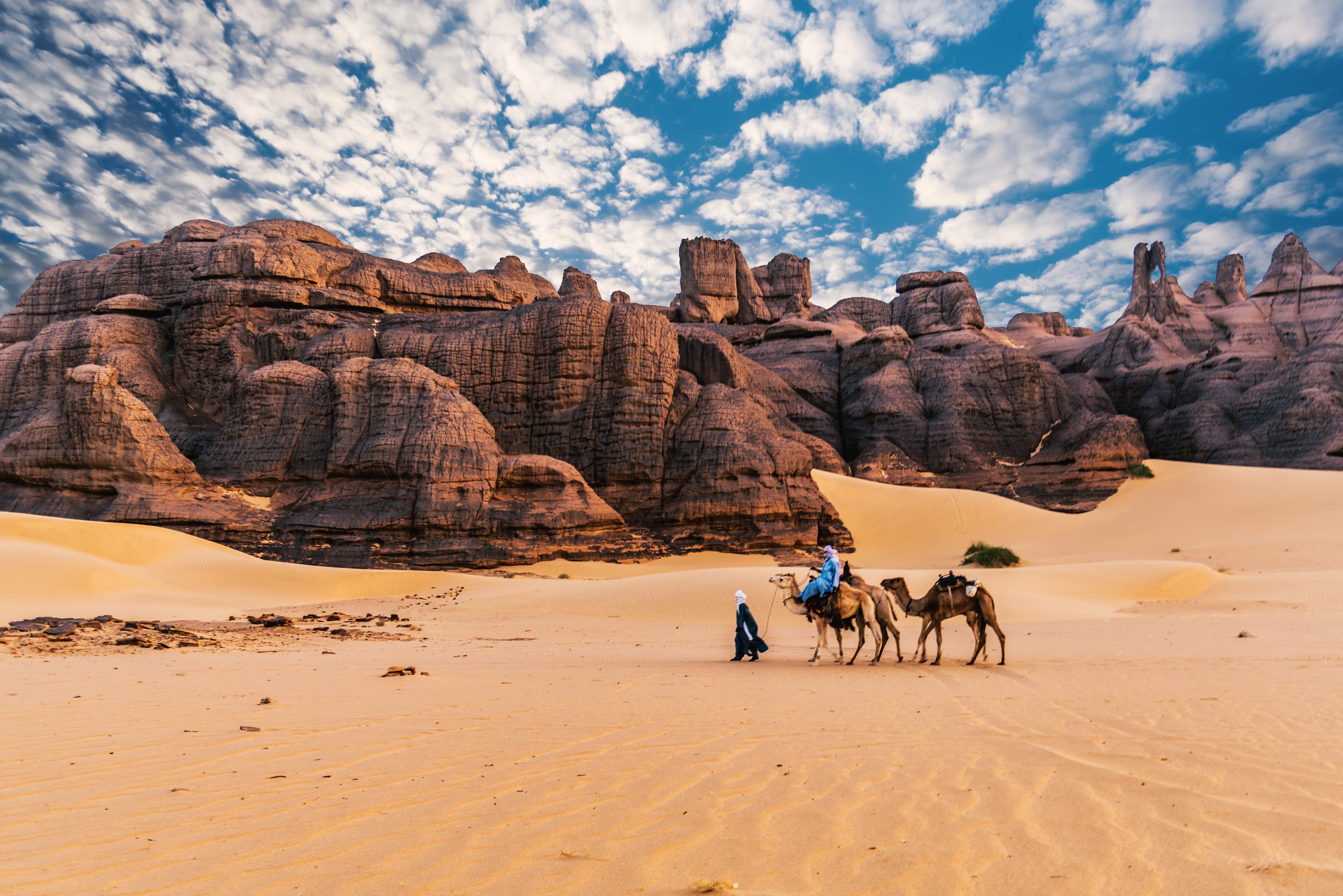
Algeria, the largest country in Africa, boasts a rich history and diverse landscape, providing an enticing backdrop for expats. One of the most significant advantages of living in Algeria is its cultural richness. The country is a melting pot of Arab, Berber, and French influences, reflected in its architecture, cuisine, and traditions. Cities like Algiers, Constantine, and Oran offer a captivating blend of old and new, with historic casbahs nestled alongside modern buildings. The local cuisine is another delight, with dishes like couscous, tajine, and méchoui offering a symphony of flavors that cater to various palates. The natural beauty of Algeria is another compelling reason to consider a move. From the golden sands of the Sahara Desert to the lush landscapes of the Kabylie region and the stunning coastline along the Mediterranean Sea, Algeria's diverse terrain offers a plethora of outdoor activities. The country is home to several UNESCO World Heritage sites, including the ancient Roman ruins of Timgad and Djemila, providing history enthusiasts with ample opportunities to explore. Algeria's cost of living is generally lower compared to many Western countries, making it an attractive option for those seeking to maintain a comfortable lifestyle without breaking the bank. Housing, food, and transportation costs are relatively affordable, especially outside the major cities. Additionally, the country's economic growth in recent years has led to improved infrastructure and job opportunities, particularly in sectors such as oil and gas, construction, and technology. The hospitality of the Algerian people is another notable advantage. Locals are known for their warmth and generosity, making it easier for expats to integrate into the community. It's not uncommon for neighbors to invite newcomers for traditional meals or offer assistance with navigating the local customs and language barriers. This welcoming atmosphere can significantly ease the transition to life in Algeria. Moreover, Algeria's educational system has seen improvements, with a growing number of catering to expat families. The country also has a strong focus on higher education, with several prestigious universities offering programs in various fields. This commitment to education is reflected in the increasing number of Algerian students pursuing degrees abroad and returning home to contribute to the country's development. Lastly, Algeria's strategic location makes it an ideal base for exploring other parts of Africa and Europe. With easy access to countries like Morocco, Tunisia, and even Spain, residents can enjoy a variety of travel opportunities. Whether you're interested in exploring ancient historical sites or relaxing on pristine beaches, Algeria's location offers a gateway to diverse experiences.
Cons of Living in Algeria
While Algeria offers numerous advantages, it's crucial to be aware of the challenges that come with living in the country. One of the significant concerns is safety and security. Algeria has a history of political instability and civil unrest, which can pose risks to residents. Although the security situation has improved in recent years, incidents of violence and terrorism still occur, particularly in remote areas. Expats are advised to stay informed about the current security situation and follow safety guidelines provided by local authorities. The language barrier can also present a challenge for those to Algeria. Arabic and Berber are the official languages, and while French is widely spoken, English is not as prevalent. Learning at least basic Arabic or French can significantly enhance communication and integration into the local community. However, language courses and resources may be limited in some areas, making it essential to plan ahead. Algeria's bureaucracy can be complex and time-consuming, particularly when it comes to immigration procedures, property transactions, and business operations. Navigating the administrative system often requires patience and persistence, as well as a good understanding of local laws and regulations. Expats may find it helpful to seek assistance from local contacts or professional services to streamline these processes. The climate in Algeria can be extreme, with scorching summers and chilly winters in some regions. The Sahara Desert, for instance, experiences temperatures that can soar above 50°C (122°F) during the summer months. In contrast, the mountainous regions can be quite cold and snowy during winter. These weather conditions may require some adjustment, especially for those coming from more temperate climates. Infrastructure and public services in Algeria are still developing, and the quality can vary significantly between urban and rural areas. While major cities offer modern amenities and facilities, rural regions may lack reliable electricity, water supply, and services. Expats considering a move to less developed areas should be prepared for potential inconveniences and plan accordingly. Additionally, corruption is a persistent issue in Algeria, affecting various aspects of daily life, including business transactions, government services, and law enforcement. While the government has implemented measures to combat corruption, it remains a challenge that expats should be aware of. Conducting thorough research and seeking advice from trusted sources can help mitigate the risks associated with corruption. Lastly, Algeria's conservative society may present challenges for expats, particularly those from more liberal backgrounds. The country's cultural norms and traditions can be quite different from Western societies, with expectations regarding dress codes, gender roles, and social behavior. While Algeria is generally tolerant of different lifestyles, it's essential to respect local customs and adapt to the cultural environment to avoid potential misunderstandings or conflicts. In summary, living in Algeria offers a rich tapestry of cultural experiences, natural beauty, and economic opportunities. However, it also comes with challenges related to safety, language barriers, bureaucracy, and cultural differences. By understanding both the pros and cons, expats can make an informed decision about whether Algeria is the right choice for their next international adventure.
About the Author
 Betsy Burlingame is the Founder and President of Expat Exchange and is one of the Founders of Digital Nomad Exchange. She launched Expat Exchange in 1997 as her Master's thesis project at NYU. Prior to Expat Exchange, Betsy worked at AT&T in International
and Mass Market Marketing. She graduated from Ohio Wesleyan University
with a BA in International Business and German.
Betsy Burlingame is the Founder and President of Expat Exchange and is one of the Founders of Digital Nomad Exchange. She launched Expat Exchange in 1997 as her Master's thesis project at NYU. Prior to Expat Exchange, Betsy worked at AT&T in International
and Mass Market Marketing. She graduated from Ohio Wesleyan University
with a BA in International Business and German.
Some of Betsy's articles include 12 Best Places to Live in Portugal, 7 Best Places to Live in Panama and 12 Things to Know Before Moving to the Dominican Republic. Betsy loves to travel and spend time with her family. Connect with Betsy on LinkedIn.
Additional Information:
- Algeria Guide
- Healthcare & Health Insurance in Algeria
- Members Talk about Healthcare & Health Insurance in Algeria
- Best Places to Live in Algeria
- Guide to Real Estate in Algeria
- Pros & Cons of Living in Algeria
- Cost of Living in Algeria
- 10 Best Places for Families to Live in Algeria
- Getting a Driver's License in Algeria
- Understanding the Health System in Algeria
- Guide to Residency in Algeria
- Pros and Cons of Living in Algeria 2026