
Pros and Cons of Living in Morocco


Summary: If you're moving to Morocco, it's important to learn about both the Pros AND Cons of living in Morocco.
Are you considering an international move to Morocco? This vibrant North African country offers a unique blend of cultural heritage, breathtaking landscapes, and modern amenities. But like any destination, it has its upsides and downsides. Let's dive into the pros and cons of living in Morocco to help you make an informed decision.
Pros of Living in Morocco
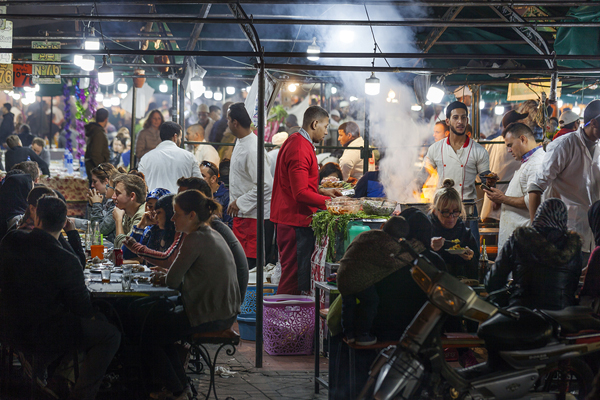
Morocco is a land of diversity, from the bustling medinas of Marrakech to the serene coastlines of Essaouira. One of the most significant advantages of living here is the rich cultural experience. The country is a melting pot of Arab, Berber, and European influences, which is reflected in its architecture, cuisine, and traditions. You'll find yourself immersed in a world of colorful mosaics, aromatic spices, and lively festivals.
The in Morocco is generally lower compared to Western countries. Accommodation, food, and local transportation are quite affordable. A three-course meal for two at a mid-range restaurant typically costs around 150 MAD (Moroccan Dirham), which is roughly 16 USD. Rent for a one-bedroom apartment in the city center can range from 2,500 to 4,000 MAD (270 to 430 USD) per month. This makes Morocco an attractive option for those seeking a more budget-friendly lifestyle without compromising on experiences.
Morocco is also known for its warm hospitality. Locals are generally friendly and welcoming, often inviting foreigners into their homes for traditional Moroccan tea or meals. This hospitable nature fosters a sense of community and can make integrating into local life a smoother process. Expats often recall stories of neighbors bringing them homemade treats or offering help with daily tasks.
Nature lovers will find Morocco a paradise. The country boasts a diverse range of landscapes, from the snow-capped Atlas Mountains to the vast Sahara Desert. The coastal regions offer beautiful beaches and excellent surfing spots. For those who enjoy outdoor activities, there are ample opportunities for hiking, skiing, and water sports. The vibrant ecosystems also attract birdwatchers and wildlife enthusiasts.
Another advantage is the easy access to Europe. Morocco's proximity to Spain makes it a convenient base for exploring the continent. Flights from major cities like Casablanca and Marrakech to European destinations are frequent and relatively short, often taking just a few hours. This geographical advantage allows residents to enjoy the best of both worlds—the exotic allure of Africa and the cultural richness of Europe.
Educational opportunities are also noteworthy. Morocco has several that cater to expat families, offering curricula from various countries. Additionally, the country is home to prestigious universities, including Al Akhawayn University in Ifrane, which provides a high standard of education. This makes Morocco an appealing choice for families with school-aged children.
Cons of Living in Morocco
While Morocco has its charms, it also presents several challenges that potential expats should be aware of. One of the main drawbacks is the bureaucracy. The process of obtaining residency permits, driver's licenses, and other official documents can be lengthy and complicated. Expats often find themselves navigating a maze of paperwork and waiting in long lines at government offices. Patience and local assistance can be crucial in overcoming these hurdles.
Language barriers can pose another significant challenge. While French is widely spoken, particularly in urban areas, Arabic and Berber are the primary languages. Those who do not speak these languages may struggle with daily tasks such as shopping, making appointments, or dealing with local authorities. Learning basic phrases in Arabic or French can greatly enhance one's experience and ease communication.
The infrastructure in Morocco is not always up to the standards that expats from developed countries might expect. Roads, particularly in rural areas, can be poorly maintained, and public transportation, while affordable, may not be as reliable or efficient as in other countries. Internet connectivity can also be spotty, especially outside major cities, which can be a challenge for those who rely on it for work or communication.
Healthcare is another area where Morocco lags behind more developed nations. While private clinics and hospitals in urban areas offer good quality care, public healthcare facilities may lack modern equipment and trained staff. Expats are often advised to take out comprehensive health insurance that covers treatment both in Morocco and abroad, as medical evacuation may be necessary for more serious health issues.
Cultural differences can also present challenges. Morocco is a predominantly Muslim country, and expats should be prepared to adapt to a more conservative society. Dress codes, particularly for women, are more modest, and alcohol consumption is less common and often frowned upon. Understanding and respecting local customs and traditions can help in integrating more smoothly into Moroccan society.
The job market for expats can be competitive and limited, especially for those who do not speak Arabic or French fluently. Most opportunities are in sectors such as education, tourism, and international organizations. Expats may find it easier to secure employment through international companies or by starting their own businesses. Networking and local connections can be invaluable in finding job opportunities.
Finally, safety and security are concerns that potential expats should consider. While Morocco is generally safe, petty crime such as pickpocketing and scams targeting tourists are not uncommon, particularly in tourist hotspots. Expats should take precautions to protect their belongings and be cautious when dealing with strangers. Additionally, political unrest and protests, though rare, can occur, and it is essential to stay informed about the current situation.
Morocco offers a rich and rewarding experience for those willing to embrace its unique culture and navigate its challenges. From the vibrant medinas to the tranquil coastlines, this North African gem provides a fascinating blend of tradition and modernity. By understanding both the pros and cons, potential expats can make an informed decision about whether Morocco is the right fit for their international adventure.
About the Author
 Betsy Burlingame is the Founder and President of Expat Exchange and is one of the Founders of Digital Nomad Exchange. She launched Expat Exchange in 1997 as her Master's thesis project at NYU. Prior to Expat Exchange, Betsy worked at AT&T in International
and Mass Market Marketing. She graduated from Ohio Wesleyan University
with a BA in International Business and German.
Betsy Burlingame is the Founder and President of Expat Exchange and is one of the Founders of Digital Nomad Exchange. She launched Expat Exchange in 1997 as her Master's thesis project at NYU. Prior to Expat Exchange, Betsy worked at AT&T in International
and Mass Market Marketing. She graduated from Ohio Wesleyan University
with a BA in International Business and German.
Some of Betsy's articles include 12 Best Places to Live in Portugal, 7 Best Places to Live in Panama and 12 Things to Know Before Moving to the Dominican Republic. Betsy loves to travel and spend time with her family. Connect with Betsy on LinkedIn.
Additional Information:
- Morocco Guide
- Healthcare & Health Insurance in Morocco
- Members Talk about Healthcare & Health Insurance in Morocco
- Best Places to Live in Morocco
- Real Estate in Morocco
- Guide to Real Estate in Morocco
- Pros & Cons of Living in Morocco
- Cost of Living in Morocco
- Understanding the Health System in Morocco
- Guide to Residency in Morocco
- Moving to Morocco
- Healthcare in Morocco
- Pros and Cons of Living in Morocco 2026
- 2026 Guide to Moving to Morocco