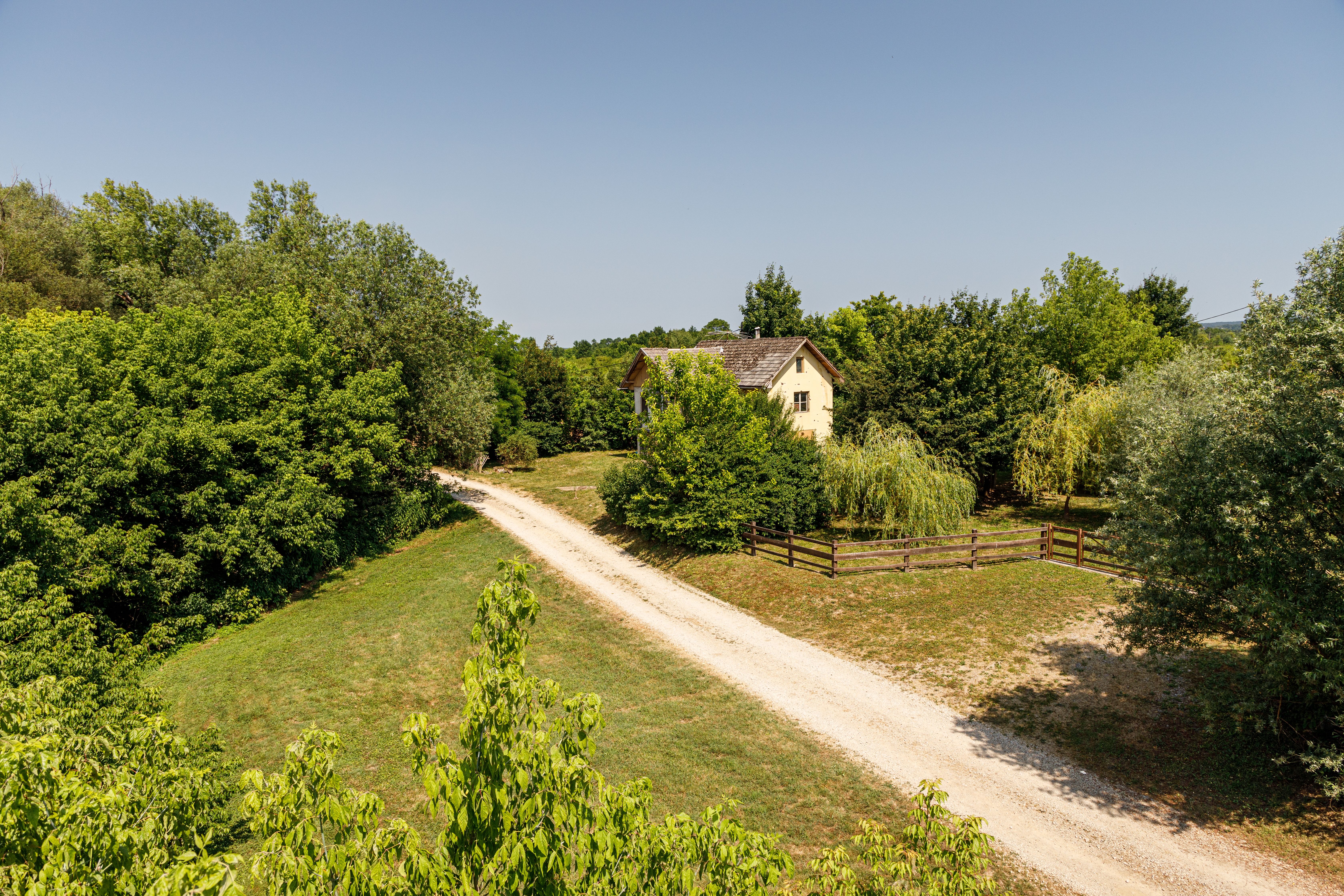
How to Buy a Home in Croatia


Summary: Real Estate Croatia, Homes for Sale in Croatia The one tip that you hear expats living in Croatia repeatedly sharing with newcomers is not to buy a home when you first move to Croatia. Rent for a few months or longer so that you have time to find the right neighborhood. Give yourself time to ensure that Croatia is right for you for the long term. If you've already taken time to do those things and are ready to take the plunge and become a property owner, here are tips about buying a home in Croatia. Seasoned expatriates recommend a cautious approach to newcomers eager to settle down�avoid the rush to purchase property upon arrival. Instead, consider the benefits of renting in Croatia during your initial months. This strategy allows you the flexibility to explore various neighborhoods and truly decide if the local lifestyle aligns with your long-term expectations. Once you've acclimated and are certain that Croatia is your future home, here are tips on how to buy a home in Croatia.
Embarking on the journey to buy a home in Croatia can be an exciting adventure for expats. With its stunning coastlines, rich history, and vibrant culture, Croatia offers a unique blend of old-world charm and modern amenities. However, navigating the real estate market in a foreign country can pose challenges. This guide aims to provide a comprehensive overview of the home-buying process in Croatia, addressing key topics to help expats make informed decisions.
How Do I Find Houses for Sale in Croatia?
Finding houses for sale in Croatia can be efficiently managed through various channels. Online property portals are a great starting point, offering a wide range of listings from different regions. Real estate agencies are also prevalent and can provide personalized assistance. Additionally, local newspapers and word-of-mouth can sometimes uncover hidden gems not listed online. Exploring different areas and attending open houses can give you a better feel for the market and the types of properties available.
Are There Restrictions on Foreigners Owning Property in Croatia?
Croatia has some restrictions on foreigners owning property, primarily concerning agricultural land and properties in certain protected areas. EU citizens generally face fewer restrictions than non-EU citizens. However, foreigners can often circumvent these restrictions by establishing a company in Croatia, which can then purchase the property. Another option is to obtain consent from the Ministry of Justice, although this process can be lengthy. Working with a knowledgeable real estate agent or lawyer can help navigate these regulations effectively.
Does Croatia Have an MLS Type System?
Croatia does not have a centralized Multiple Listing Service (MLS) system like those found in some other countries. Instead, property listings are scattered across various real estate agency websites, online portals, and other platforms. This fragmentation can make the search process more challenging, but working with a reputable real estate agent can help streamline the search and provide access to a broader range of properties.
Do Brokers Have Licenses and How Do I Know If They Are Licensed?
In Croatia, real estate brokers are required to obtain a license from the Ministry of Economy. To verify if a broker is licensed, you can request to see their license or check the official registry maintained by the Ministry. Licensed brokers are obligated to follow specific standards and regulations, ensuring a higher level of professionalism and reliability. It is crucial to work with licensed professionals to safeguard your interests during the buying process.
What Documents Are Required When Buying a Home?
When buying a home in Croatia, several documents are typically required. These include a valid passport or ID, a tax identification number (OIB), a power of attorney if you cannot be present for certain transactions, and a proof of funds. Additionally, you will need a preliminary contract outlining the terms of the sale, a final sales contract, and potentially a certificate of ownership. Obtaining a land registry extract and ensuring all property taxes are paid is also essential. Working with a lawyer can help ensure all necessary documents are in order.
Do I Need a Lawyer When Buying a Home in Croatia?
Yes, it is highly recommended to hire a lawyer when buying a home in Croatia. A lawyer can provide legal advice, conduct due diligence on the property, review contracts, and ensure all legal requirements are met. They can also assist with obtaining necessary permits and navigating any regulatory hurdles. The cost of a lawyer can vary, but it typically ranges from 1% to 3% of the property value, depending on the complexity of the transaction and the services required.
Do People Typically Buy a Property with All Cash or Take Out a Mortgage?
In Croatia, both cash purchases and mortgage financing are common. However, securing a mortgage as a foreigner can be more challenging due to stricter lending criteria and higher interest rates. Local banks may require a substantial down payment, usually around 20% to 30%, and proof of stable income. Cash buyers may have an advantage in negotiations, but it is essential to consider the financial implications and risks associated with a significant cash investment.
Are There Inspections That Take Place, and If So, What Is That Process Like?
Property inspections are not mandatory in Croatia, but they are highly recommended to ensure the condition of the property. Buyers can hire independent inspectors to assess the structural integrity, electrical systems, plumbing, and other aspects of the property. The inspection process typically involves a visual examination and may include tests for mold, asbestos, or other potential hazards. The findings are documented in a report, which can be used to negotiate repairs or adjust the purchase price.
What Are Some of the Pitfalls to Avoid When Buying Property in Croatia?
Buying property in Croatia can present several pitfalls that buyers should be aware of. These include hidden costs such as legal fees, taxes, and renovation expenses. It is also crucial to verify the property's legal status and ensure there are no outstanding debts or disputes. Working with unlicensed agents or not conducting thorough inspections can lead to costly surprises. Additionally, buyers should be cautious of overpaying for properties and consider the long-term implications of their investment. Seeking professional advice and conducting thorough research can help mitigate these risks.
About the Author
 Betsy Burlingame is the Founder and President of Expat Exchange and is one of the Founders of Digital Nomad Exchange. She launched Expat Exchange in 1997 as her Master's thesis project at NYU. Prior to Expat Exchange, Betsy worked at AT&T in International
and Mass Market Marketing. She graduated from Ohio Wesleyan University
with a BA in International Business and German.
Betsy Burlingame is the Founder and President of Expat Exchange and is one of the Founders of Digital Nomad Exchange. She launched Expat Exchange in 1997 as her Master's thesis project at NYU. Prior to Expat Exchange, Betsy worked at AT&T in International
and Mass Market Marketing. She graduated from Ohio Wesleyan University
with a BA in International Business and German.
Some of Betsy's articles include 12 Best Places to Live in Portugal, 7 Best Places to Live in Panama and 12 Things to Know Before Moving to the Dominican Republic. Betsy loves to travel and spend time with her family. Connect with Betsy on LinkedIn.
Additional Information:
- Croatia Guide
- Healthcare & Health Insurance in Croatia
- Members Talk about Healthcare & Health Insurance in Croatia
- Best Places to Live in Croatia
- Real Estate in Croatia
- Guide to Real Estate in Croatia
- Pros & Cons of Living in Croatia
- Cost of Living in Croatia
- 10 Things to Know Before Moving to Croatia
- How to Buy a Home in Croatia
- Pros and Cons of Living in Croatia
- How to Rent a Home in Croatia
- 2026 Guide to Living in Croatia
- Pros and Cons of Living in Croatia 2026