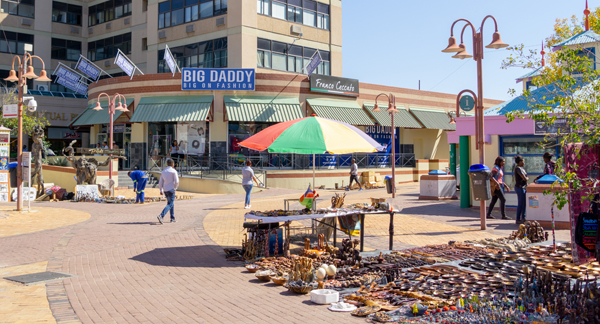
10 Things to Know Before Moving to Namibia


Summary: If you're planning a move to Namibia, here are 10 things expats living there wish they had known before moving to Namibia.
Are you considering a move to Namibia? This stunning African nation offers a unique blend of modernity and tradition, with vast landscapes and vibrant cultures. But before you pack your bags, here are ten essential things to know to help you transition into expat life in Namibia.
1. Namibia Boasts a Stunning yet Harsh Climate
Namibia is known for its stark beauty, from the red dunes of Sossusvlei to the vast salt pans of Etosha. However, its climate can be unforgiving. Days can be scorching, with temperatures often soaring above 40°C, while nights can be surprisingly cold. The rainy season, though brief, can bring heavy downpours, making some roads impassable. Knowing how to navigate these extremes is crucial. For instance, always carry plenty of water and sun protection, and ensure your vehicle is equipped for rough terrains.
2. Safety is Generally Good, but Stay Alert
Namibia is generally safer than many other African countries, with a stable political environment. However, petty crime like pickpocketing and bag snatching can occur, especially in urban areas like Windhoek. To stay safe, keep valuables out of sight, avoid walking alone at night, and be cautious when using ATMs. Many expats also recommend getting a guard dog for added home security.
3. English is Widely Spoken, but Learn Some Local Languages
While English is the official language and is widely spoken, learning a few phrases in local languages like Afrikaans, German, or indigenous languages such as Oshiwambo can greatly enhance your experience. It shows respect for the local culture and can help build stronger connections with the community. A simple greeting like "Môre" (good morning in Afrikaans) or "Wave ta" (good morning in Oshiwambo) can go a long way.
4. Namibia's Infrastructure is Developing, but Expect Challenges
While Namibia has made significant strides in its infrastructure, expect to face some challenges. Internet connectivity, for example, can be unreliable and slow outside major cities. Roads can be rough, and power outages do occur. However, the country is actively working on improvements. For instance, fiber optic networks are being expanded, promising better connectivity in the future.
5. The is Generally Lower, but Imported Goods are Pricey
The cost of living in Namibia is generally lower compared to many Western countries, with affordable housing and local produce. However, imported goods can be quite expensive due to high import duties. A jar of Nutella, for example, can cost significantly more than in Europe. To save money, opt for locally produced items whenever possible.
6. Namibian Culture Values Respect and Patience
Namibians place a high value on respect and patience. Greetings are important and often lengthy, with inquiries about family and health. Punctuality is less strict, and meetings may start later than scheduled. Adapting to this pace and showing respect for local customs will greatly ease your integration into the community. For instance, always greet people before starting a conversation or asking a question.
7. Wildlife is Abundant, but Be Cautious
Namibia is home to an astonishing array of wildlife, from elephants to lions and cheetahs. While this is one of the country's biggest draws, it's important to stay cautious. Always follow safety guidelines in national parks, and be aware of your surroundings in rural areas. Snakes and scorpions are common, so wear sturdy shoes and shake out your clothing and bedding.
8. is Adequate, but Consider Private Insurance
Public healthcare in Namibia is adequate but can be limited in rural areas. Private healthcare is generally of a high standard but can be expensive. Consider getting private health insurance to cover potential costs. Also, ensure you have all necessary vaccinations and bring any specialized medication with you, as supplies can be limited.
9. Education Options are Varied, but Research is Key
Namibia offers various education options, from public and private schools to international institutions. However, the quality can vary greatly. Do thorough research before choosing a school for your children. Consider factors like curriculum, teaching language, and extracurricular activities. Some expats prefer for their familiar curricula and diverse student bodies.
10. Embrace the Outdoors and Local Cuisine
Namibia offers a wealth of outdoor activities, from safaris and sandboarding to hiking and stargazing. Embrace these opportunities to explore the country's natural beauty. Also, don't miss out on the local cuisine. Try traditional dishes like "pap" (maize porridge) and "braaivleis" (barbecued meat), and sample locally brewed beers like Windhoek Lager. These experiences will enrich your time in Namibia and give you a deeper appreciation for the country.
Moving to Namibia can be a rewarding adventure, filled with stunning landscapes, unique wildlife, and rich cultural experiences. By knowing these essential tips, you'll be better prepared to embrace your new life in this extraordinary country.
About the Author
 Joshua Wood, LPC joined Expat Exchange in 2000 and serves as one of its Co-Presidents. He is also one of the Founders of Digital Nomad Exchange. Prior to Expat Exchange, Joshua worked for NBC Cable (MSNBC and CNBC
Primetime). Joshua has a BA from Syracuse and a Master's in Clinical and Counseling Psychology from Fairleigh Dickinson University. Mr. Wood is also a licensed counselor and psychotherapist.
Joshua Wood, LPC joined Expat Exchange in 2000 and serves as one of its Co-Presidents. He is also one of the Founders of Digital Nomad Exchange. Prior to Expat Exchange, Joshua worked for NBC Cable (MSNBC and CNBC
Primetime). Joshua has a BA from Syracuse and a Master's in Clinical and Counseling Psychology from Fairleigh Dickinson University. Mr. Wood is also a licensed counselor and psychotherapist.
Some of Joshua's articles include Pros and Cons of Living in Portugal, 10 Best Places to Live in Ireland and Pros and Cons of Living in Uruguay. Connect with Joshua on LinkedIn.
Additional Information:
- Namibia Guide
- Healthcare & Health Insurance in Namibia
- Members Talk about Healthcare & Health Insurance in Namibia
- Best Places to Live in Namibia
- Guide to Real Estate in Namibia
- Pros & Cons of Living in Namibia
- Cost of Living in Namibia
- 10 Best Places for Families to Live in Namibia
- Getting a Driver's License in Namibia
- Understanding the Health System in Namibia
- Guide to Residency in Namibia
- Pros and Cons of Living in Namibia 2026