Retire in Chiclayo Guide


Summary: If Chiclayo is on your retirement radar, our detailed Retire in Chiclayo Guide is your go-to resource. Delve into the crucial aspects of life here, including living costs, climate, housing options, healthcare services, and residency procedures. We also explore the city's social dynamics, volunteering scenes, transportation, and how walkable its neighborhoods are.
Chiclayo, often referred to as the "City of Friendship," is a popular retirement destination for international retirees. The city offers a unique blend of modern amenities, rich history, and cultural experiences. Retirees are drawn to Chiclayo for its affordable cost of living, pleasant climate, and friendly locals. However, like any foreign country, retiring in Chiclayo comes with its own set of challenges, including language barriers and navigating the system.
Cost of Living
One of the main attractions for retirees in Chiclayo is the affordable cost of living. Housing, groceries, and utilities are significantly cheaper compared to many Western countries. For example, a one-bedroom apartment in the city center can be rented for as low as $200 per month. Eating out is also inexpensive, with a meal at a local restaurant costing around $3. However, it's important to note that while the is low, so are local wages, which can affect the quality of services and goods.
Climate
Chiclayo boasts a warm and dry climate year-round, making it an ideal location for retirees who enjoy outdoor activities. The city experiences minimal rainfall, with the majority of it occurring during the summer months of January to March. The average temperature ranges from 20°C to 30°C (68°F to 86°F), providing a comfortable environment for retirees.
Healthcare
Chiclayo is home to several hospitals and clinics that provide quality healthcare services. The city's main hospital, Hospital Regional Lambayeque, is well-equipped and staffed with trained medical professionals. However, it's recommended for retirees to have private health insurance as public hospitals can be crowded and have longer waiting times.
Public Healthcare System
Peru's public healthcare system, known as SIS (Seguro Integral de Salud), is available to all residents, including international retirees. However, the system is often overwhelmed, leading to long wait times and limited resources. Many retirees opt for private healthcare insurance for more immediate and comprehensive care.
Residency Options for Retirees
Peru offers a retirement visa, known as the Rentista Visa, for international retirees. This visa requires proof of a steady income of at least $1,000 per month. Once granted, the visa allows retirees to live in Peru indefinitely, with the requirement to renew every year.
Parks and Recreational Activities
Chiclayo offers a variety of recreational activities for retirees. The city is home to several parks, including Parque Principal, a popular spot for locals and tourists alike. For those interested in history and culture, the Museo Tumbas Reales de Sipán is a must-visit. The city is also close to several beaches, providing opportunities for swimming and sunbathing.
Restaurants
Chiclayo is known for its culinary scene, with a variety of restaurants offering local and international cuisine. Some popular spots include La Traviata, known for its Italian dishes, and El Rincon del Pato, famous for its duck dishes. For seafood lovers, Cevicheria El Paisa is a must-try.
Learning the Language
While many locals in Chiclayo speak English, learning Spanish can enhance the retirement experience. Several language schools in the city offer Spanish classes, including the Centro de Idiomas at the Universidad de San Martín de Porres.
Local Culture
The locals in Chiclayo are known for their friendliness and hospitality, making it easy for retirees to feel at home. The city has a vibrant culture, with numerous festivals and events throughout the year. The Mercado Modelo, the city's main market, is a bustling hub of activity where retirees can immerse themselves in local life.
Meeting People and Volunteering
Meeting new people in Chiclayo can be as simple as visiting the local parks or participating in community events. For those interested in volunteering, organizations such as the Chiclayo Rotary Club offer opportunities to give back to the community.
Housing Options
Retirees in Chiclayo typically live in apartments or houses in the city center or in quieter neighborhoods on the outskirts. The city offers a range of housing options to suit different budgets and lifestyles.
Transportation
Chiclayo is a walkable city with a reliable public transportation system, making it easy for retirees to get around without a car. The city's bus system covers most areas, and taxis are readily available. However, for those who prefer to drive, owning a car is also a viable option.
About the Author
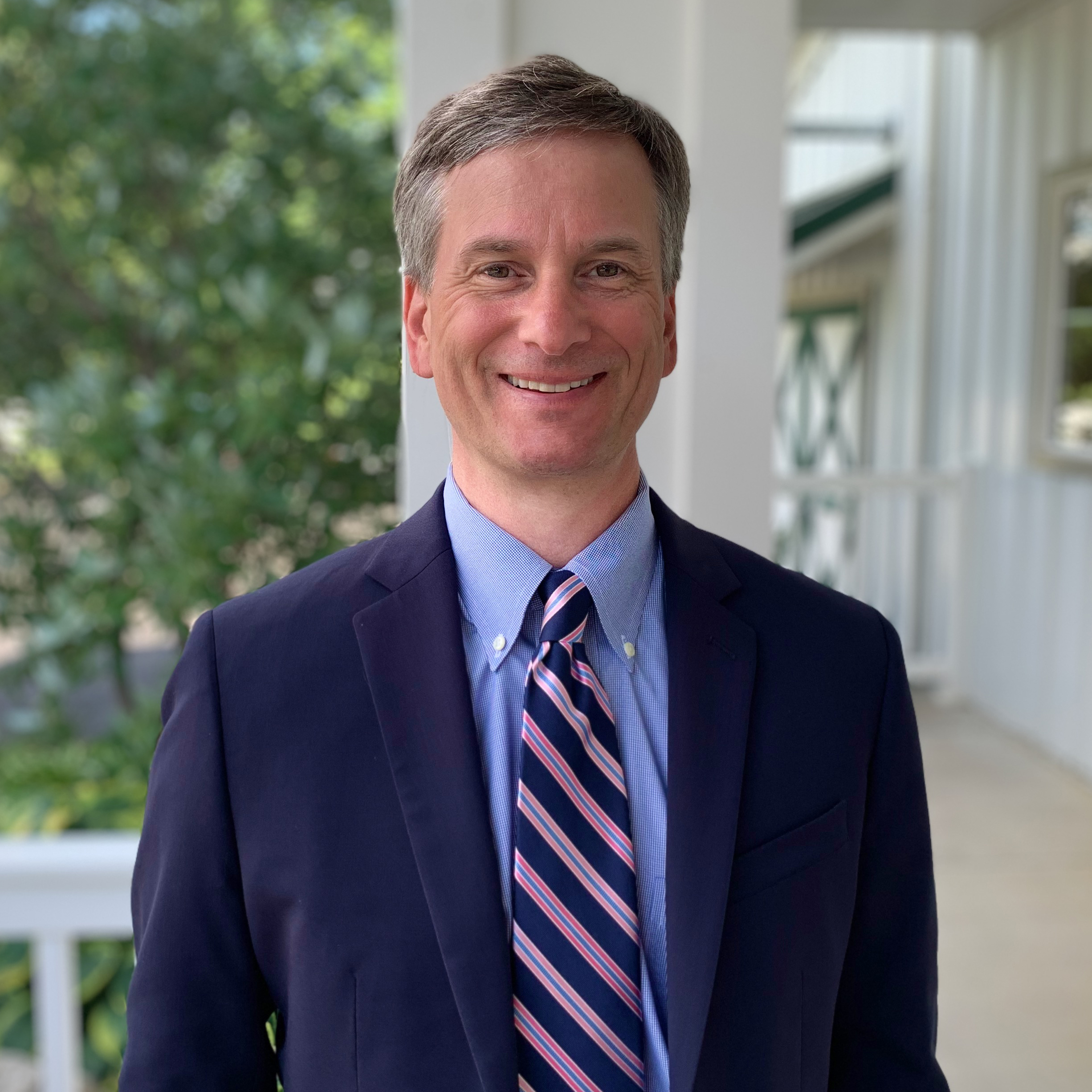 Joshua Wood, LPC joined Expat Exchange in 2000 and serves as one of its Co-Presidents. He is also one of the Founders of Digital Nomad Exchange. Prior to Expat Exchange, Joshua worked for NBC Cable (MSNBC and CNBC
Primetime). Joshua has a BA from Syracuse and a Master's in Clinical and Counseling Psychology from Fairleigh Dickinson University. Mr. Wood is also a licensed counselor and psychotherapist.
Joshua Wood, LPC joined Expat Exchange in 2000 and serves as one of its Co-Presidents. He is also one of the Founders of Digital Nomad Exchange. Prior to Expat Exchange, Joshua worked for NBC Cable (MSNBC and CNBC
Primetime). Joshua has a BA from Syracuse and a Master's in Clinical and Counseling Psychology from Fairleigh Dickinson University. Mr. Wood is also a licensed counselor and psychotherapist.
Some of Joshua's articles include Pros and Cons of Living in Portugal, 10 Best Places to Live in Ireland and Pros and Cons of Living in Uruguay. Connect with Joshua on LinkedIn.
Additional Information: