Educational System in Hong Kong


Summary: The one tip that you hear expats living in Hong Kong repeatedly sharing with newcomers is not to buy a home when you first move to Hong Kong. Rent for a few months or longer so that you have time to find the right neighborhood. Give yourself time to ensure that Hong Kong is right for you for the long term. If you've already taken time to do those things and are ready to take the plunge and become a property owner, here are tips about buying a home in Hong Kong.
Moving to Hong Kong with your family comes with many considerations, one of the most important being your children's education. The Hong Kong education system is known for its rigorous curriculum and high standards. It's structured differently from many Western systems, so it's crucial to understand its stages, options, and processes for expats. This guide will walk you through the essential aspects of the Hong Kong educational system.
What are the main stages of education in Hong Kong and what are the names of those stages?
The Hong Kong education system is broadly divided into five stages: Pre-primary, Primary, Secondary, Post-secondary, and Higher Education. Each stage plays a crucial role in the holistic development of a child.
Pre-primary Education
Pre-primary education in Hong Kong is not compulsory and serves children aged 3 to 6. It focuses on fostering young children's emotional, social, and cognitive development. Kindergartens and nurseries offer half-day or full-day programs, with some offering bilingual or international curricula.
Primary Education
Primary education is compulsory and free for children aged 6 to 12. It comprises six years (Primary 1 to Primary 6) and focuses on building a strong foundation in languages (Chinese, English, and sometimes Mandarin), mathematics, general studies, art, physical education, and music.
Secondary Education
Secondary education is also compulsory and free. It serves students aged 12 to 18 and is divided into junior (Forms 1 to 3) and senior (Forms 4 to 6) sections. The curriculum includes core subjects like languages, mathematics, sciences, humanities, and electives. Students prepare for the Hong Kong Diploma of Secondary Education Examination (HKDSE) in their senior years.
Post-secondary Education
Post-secondary education offers various academic and vocational programs for school leavers. These include locally accredited diplomas, higher diplomas, and associate degrees offered by institutions like the Vocational Training Council (VTC) and the Hong Kong Institute of Vocational Education (IVE).
Higher Education
Higher education in Hong Kong is offered by universities and other degree-awarding institutions. It includes undergraduate, postgraduate, and research programs. The University Grants Committee (UGC) funds eight higher education institutions in Hong Kong.
How does a newcomer from a different country enroll their kids in school?
Newcomers can enroll their children in either public or private schools. Public schools follow the local curriculum and use Chinese as the medium of instruction. Private schools, including international schools, offer diverse curricula and languages. To enroll, submit an application form, along with supporting documents like passports, visas, proof of address, and previous school reports, to the desired school.
My children are still learning Chinese, can they enroll in a public school?
Public schools in Hong Kong primarily use Chinese as the medium of instruction. While some public schools may offer support for non-Chinese speaking students, it might be challenging for children still learning Chinese. Alternatively, consider private or international schools that offer bilingual education or follow an international curriculum in English.
Are there public bilingual schools? Where are they and how do international students get admitted?
Public bilingual schools are rare in Hong Kong, as most public schools use Chinese as the primary teaching language. However, some public schools may offer English-medium classes or support for non-Chinese speaking students. Admission for international students follows the same process as for local students, with applications typically handled through the Education Bureau.
What types of private schools are common in Hong Kong?
Hong Kong offers various private school options, including international schools, private independent schools, and Direct Subsidy Scheme (DSS) schools. International schools follow diverse curricula like British, American, or International Baccalaureate. Private independent schools and DSS schools have more flexibility in their curricula and fees than public schools.
Do expats typically send their children to public or private school? How expensive are Private schools in Hong Kong?
Expats in Hong Kong typically send their children to private or international schools due to the language barrier and cultural familiarity. Private schools, especially international ones, can be expensive, with tuition fees ranging from HKD 80,000 to over HKD 200,000 per year, excluding additional costs like debentures, levies, and bus fees.
Are you allowed to homeschool while living in Hong Kong?
Homeschooling is not widely recognized or regulated in Hong Kong. The Education Bureau expects all children aged 6 to 15 to attend a registered school. However, some families may choose to homeschool their children, often supplementing with online resources or tutors. It's essential to research and consider the potential challenges and implications.
May kids attend online school instead of a local school while living in Hong Kong?
Online schooling is not explicitly addressed in Hong Kong's education regulations. While some families may opt for online or distance learning programs, it's crucial to ensure that the chosen program is recognized and aligns with the child's future academic or career goals. Additionally, consider the time zone differences and potential lack of social interaction.
About the Author
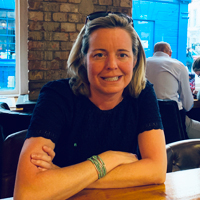 Betsy Burlingame is the Founder and President of Expat Exchange and is one of the Founders of Digital Nomad Exchange. She launched Expat Exchange in 1997 as her Master's thesis project at NYU. Prior to Expat Exchange, Betsy worked at AT&T in International
and Mass Market Marketing. She graduated from Ohio Wesleyan University
with a BA in International Business and German.
Betsy Burlingame is the Founder and President of Expat Exchange and is one of the Founders of Digital Nomad Exchange. She launched Expat Exchange in 1997 as her Master's thesis project at NYU. Prior to Expat Exchange, Betsy worked at AT&T in International
and Mass Market Marketing. She graduated from Ohio Wesleyan University
with a BA in International Business and German.
Some of Betsy's articles include 12 Best Places to Live in Portugal, 7 Best Places to Live in Panama and 12 Things to Know Before Moving to the Dominican Republic. Betsy loves to travel and spend time with her family. Connect with Betsy on LinkedIn.
Additional Information:
- Hong Kong Guide
- Healthcare & Health Insurance in Hong Kong
- Members Talk about Healthcare & Health Insurance in Hong Kong
- Best Places to Live in Hong Kong
- Real Estate in Hong Kong
- Guide to Real Estate in Hong Kong
- Pros & Cons of Living in Hong Kong
- Cost of Living in Hong Kong
- Top Hospitals in Hong Kong by Specialty
- Best Places to See While on a Look-See Trip to Hong Kong (Plus, Itineraries)
- Moving to Hong Kong with a Pet
- Understanding Mental Health in Hong Kong
- 2026 Guide to Living in Hong Kong
- Pros and Cons of Living in Hong Kong 2026