Educational System in Kosovo


Summary: The one tip that you hear expats living in Kosovo repeatedly sharing with newcomers is not to buy a home when you first move to Kosovo. Rent for a few months or longer so that you have time to find the right neighborhood. Give yourself time to ensure that Kosovo is right for you for the long term. If you've already taken time to do those things and are ready to take the plunge and become a property owner, here are tips about buying a home in Kosovo.
Welcome to Kosovo! As an expat, navigating a new educational system can be challenging. This guide aims to provide a comprehensive overview of the educational system in Kosovo, including the main stages of education, enrollment processes, language considerations, and private school options. By understanding the structure and offerings, you can make informed decisions about your children's education.
What are the main stages of education in Kosovo and what are the names of those stages?
The educational system in Kosovo is divided into four main stages: Preschool Education, Primary Education, Lower Secondary Education, and Upper Secondary Education. Each stage focuses on different aspects of a child's development and academic growth.
Preschool Education: Çerdhe or Kopshti
Preschool Education, known as Çerdhe or Kopshti, caters to children aged 1 to 5. This stage is not compulsory but is highly recommended as it focuses on social and emotional development, basic motor skills, and early language acquisition. Preschools can be public or private, with public ones being more affordable.
Primary Education: Shkolla Fillore
Primary Education, or Shkolla Fillore, is compulsory and includes grades 1 to 5, for children aged 6 to 11. The curriculum focuses on foundational subjects such as Mathematics, Science, Albanian or Serbian Language (depending on the region), Arts, and Physical Education. English is introduced as a second language in some schools.
Lower Secondary Education: Shkolla e Mesme e Ulët
Lower Secondary Education, or Shkolla e Mesme e Ulët, covers grades 6 to 9 for students aged 11 to 15. This stage builds upon the primary education curriculum, offering more in-depth studies in core subjects and introducing electives. Students are prepared for either vocational or academic paths in upper secondary education.
Upper Secondary Education: Shkolla e Mesme e Lartë
Upper Secondary Education, or Shkolla e Mesme e Lartë, is for students aged 15 to 19 and includes grades 10 to 12. Students can choose between academic (Gymnasium) and vocational paths. This stage prepares students for university or the job market, depending on their chosen path.
How does a newcomer from a different country enroll their kids in school?
To enroll your children in a public school in Kosovo, you will need to visit the nearest school and provide documents such as birth certificates, previous school records, and proof of residence. Some schools may require a placement test to determine the appropriate grade level. It's essential to have documents translated into Albanian or Serbian, depending on the region.
My children are still learning Albanian/Serbian, can they enroll in a public school?
Yes, children still learning the local language can enroll in public schools. Some schools offer additional language support for non-native speakers. However, it's crucial to communicate your child's language needs with the school to ensure they receive the necessary support.
Are there public bilingual schools? Where are they and how do international students get admitted?
Public bilingual schools are limited in Kosovo. However, some schools offer enhanced English programs. These schools are typically located in urban areas like Pristina, Prizren, and Peja. Admission for international students follows the standard enrollment process, but additional language assessments may be required.
What types of private schools are common in Kosovo?
Private schools in Kosovo include International Schools, Montessori Schools, and religious schools. often follow curricula like the International Baccalaureate (IB), British, or American systems. Private schools typically offer smaller class sizes, enhanced language programs, and additional extracurricular activities.
Do expats typically send their children to public or private school? How expensive are Private schools in Kosovo?
Expats in Kosovo may choose either public or private schools, depending on their preferences and budget. Private schools can be expensive, with tuition fees ranging from €2,000 to €10,000 per year, depending on the school and grade level. Additional fees for books, uniforms, and activities may also apply.
Are you allowed to homeschool while living in Kosovo?
Homeschooling is not widely recognized or regulated in Kosovo. Compulsory education laws require children to attend school, and there is no established legal framework for homeschooling. It's recommended to enroll your children in a local or international school to comply with local laws.
May kids attend online school instead of a local school while living in Kosovo?
Online schooling is not explicitly addressed in Kosovo's education laws. While it may be possible to enroll your children in an international online school, it's essential to ensure that they comply with the compulsory education requirements. Consulting with local education authorities is advised to ensure compliance.
About the Author
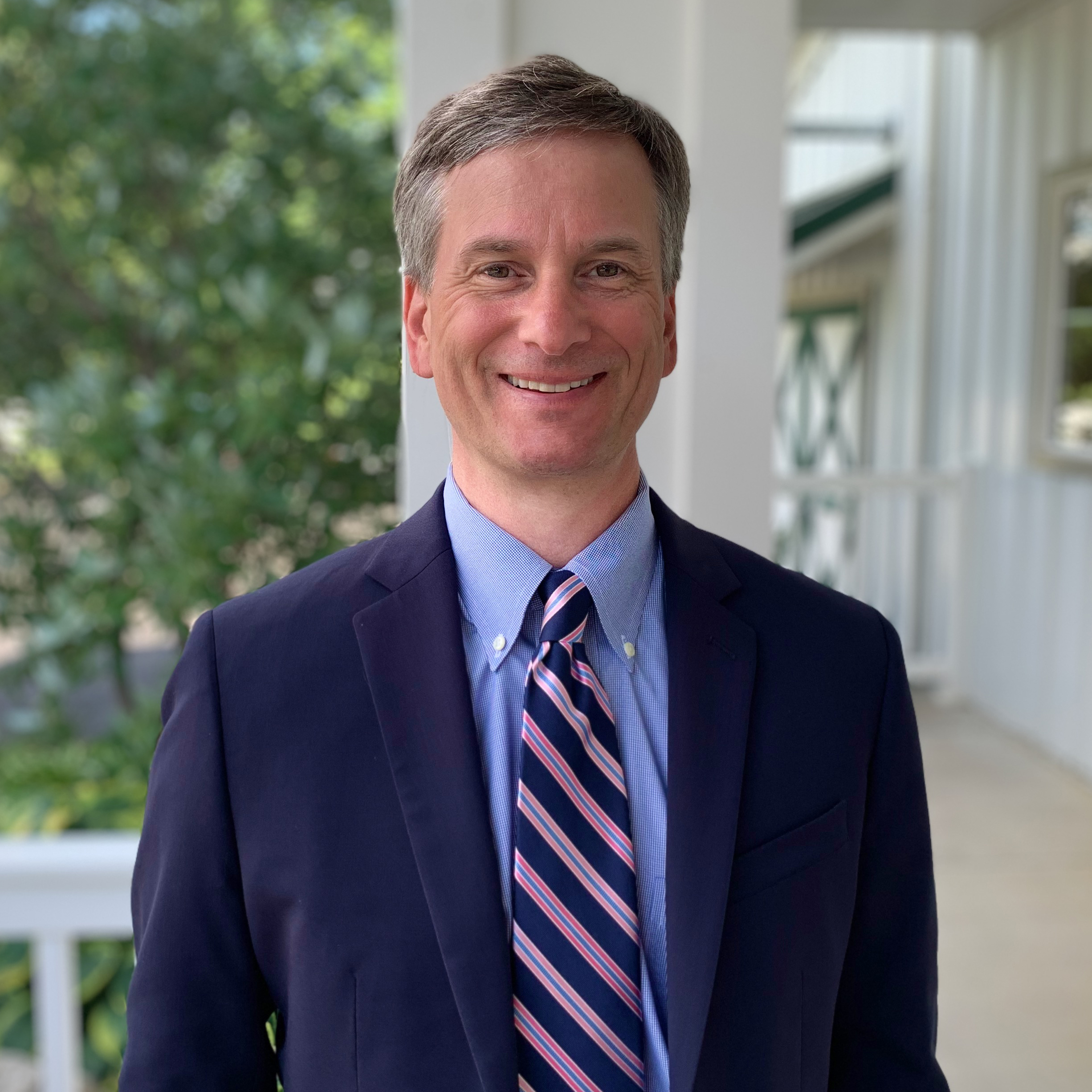 Joshua Wood, LPC joined Expat Exchange in 2000 and serves as one of its Co-Presidents. He is also one of the Founders of Digital Nomad Exchange. Prior to Expat Exchange, Joshua worked for NBC Cable (MSNBC and CNBC
Primetime). Joshua has a BA from Syracuse and a Master's in Clinical and Counseling Psychology from Fairleigh Dickinson University. Mr. Wood is also a licensed counselor and psychotherapist.
Joshua Wood, LPC joined Expat Exchange in 2000 and serves as one of its Co-Presidents. He is also one of the Founders of Digital Nomad Exchange. Prior to Expat Exchange, Joshua worked for NBC Cable (MSNBC and CNBC
Primetime). Joshua has a BA from Syracuse and a Master's in Clinical and Counseling Psychology from Fairleigh Dickinson University. Mr. Wood is also a licensed counselor and psychotherapist.
Some of Joshua's articles include Pros and Cons of Living in Portugal, 10 Best Places to Live in Ireland and Pros and Cons of Living in Uruguay. Connect with Joshua on LinkedIn.
Additional Information: