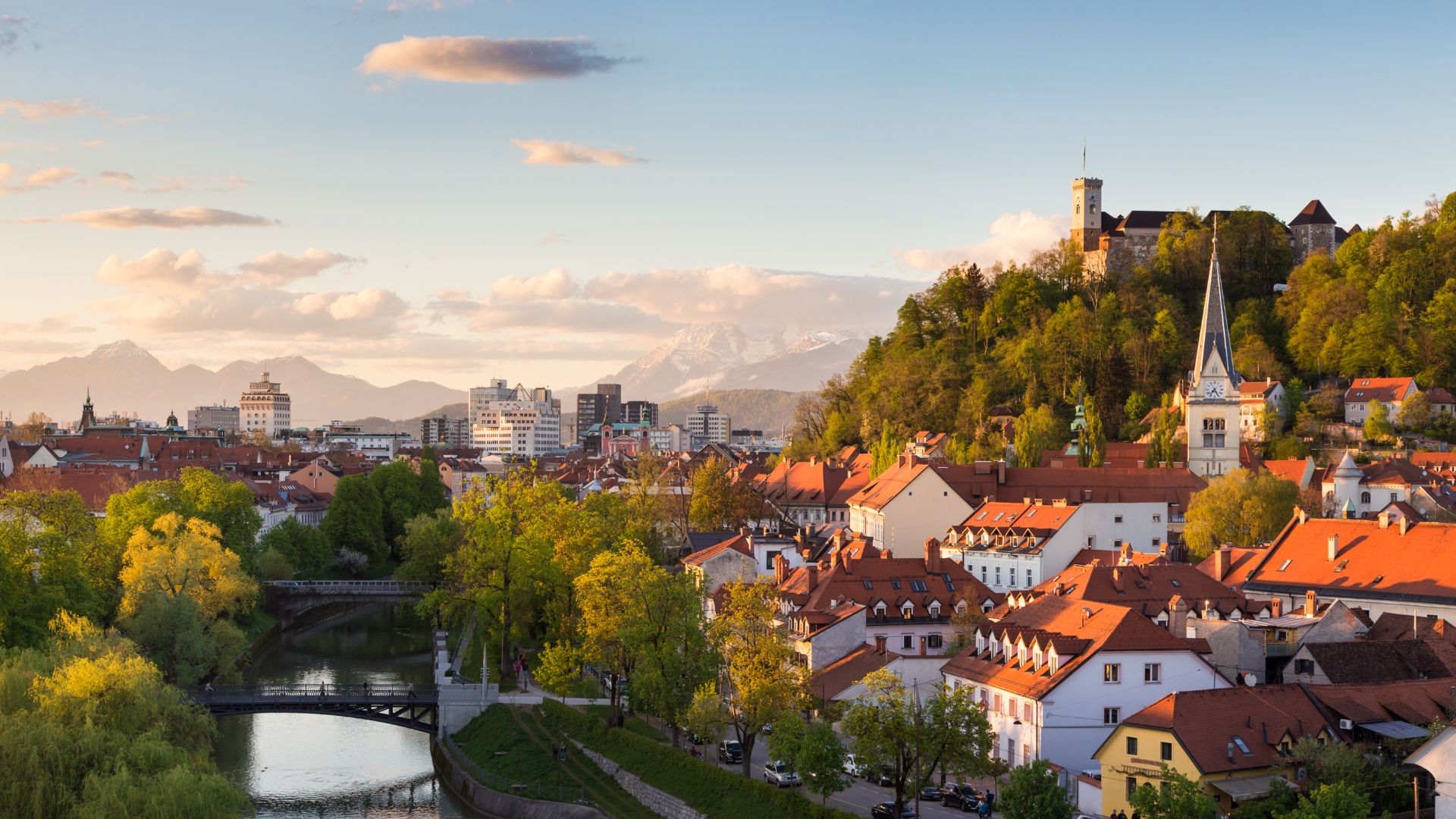
Educational System in Slovenia

Summary: The one tip that you hear expats living in Slovenia repeatedly sharing with newcomers is not to buy a home when you first move to Slovenia. Rent for a few months or longer so that you have time to find the right neighborhood. Give yourself time to ensure that Slovenia is right for you for the long term. If you've already taken time to do those things and are ready to take the plunge and become a property owner, here are tips about buying a home in Slovenia.
Moving to a new country can be an exciting yet challenging experience, especially when it comes to understanding the educational system. Slovenia, a picturesque country in Central Europe, offers a well-structured education system that might differ from what expats are familiar with. This guide aims to provide a comprehensive overview of the Slovenian educational system, helping expats navigate schooling options for their children.
What are the main stages of education in Slovenia and what are the names of those stages?
The educational system in Slovenia is primarily divided into four main stages: preschool (Vrtci), basic school (Osnovna šola), upper secondary school (Srednje šolstvo), and higher education (Visoko šolstvo). Each stage focuses on different aspects of a child's development and academic growth.
Preschool (Vrtci)
Preschool in Slovenia is designed for children aged 1 to 6. While it is not compulsory, it is highly encouraged as it helps children develop social skills and prepares them for basic school. The focus is on play, creativity, and basic learning activities.
Basic School (Osnovna šola)
Compulsory education begins at the age of 6 with basic school, which lasts for nine years. This stage is divided into three cycles: years 1-3 focus on fundamental skills, years 4-6 on subject-based learning, and years 7-9 on more advanced subjects. Students typically study a wide range of subjects, including Slovenian, mathematics, science, history, and foreign languages.
Upper Secondary School (Srednje šolstvo)
After completing basic school, students can choose to enroll in upper secondary education, which typically lasts for four years. This stage includes vocational and technical programs (Poklicno in tehniško izobraževanje) and general upper secondary schools (Gimnazije), which prepare students for higher education. Students usually specialize in specific areas of study during this phase.
Higher Education (Visoko šolstvo)
Higher education in Slovenia is offered by universities and independent higher education institutions. Programs include academic degrees (diploma, magisterij, and doktorat) and professional degrees (strokovni študij). Admission to higher education is based on the completion of upper secondary school and passing the Matura exam.
How does a newcomer from a different country enroll their kids in school?
To enroll children in a Slovenian school, expats need to contact the chosen school directly. Required documents usually include a completed application form, the child's birth certificate, proof of residency, and previous school records. Schools may also require a meeting with the parents and the child. It is advisable to check specific requirements with the individual school.
My children are still learning Slovenian, can they enroll in a public school?
Yes, children who are still learning Slovenian can enroll in public schools. Schools often provide additional language support to help non-native speakers integrate into the classroom. However, it is beneficial to discuss specific needs with the school administration to ensure the best support for the child.
Are there public bilingual schools?
Slovenia has a limited number of public bilingual schools, primarily located in areas with significant minority populations, such as Italian and Hungarian communities. Admission to these schools is typically based on residency in the respective regions. International students may be admitted, but availability and criteria vary by school.
What types of private schools are common in Slovenia?
Private schools in Slovenia include international schools, bilingual schools, and schools with specific educational philosophies like Montessori or Waldorf. often follow curricula from other countries, making them popular among expats. Private schools may offer more flexible admission criteria and additional language support.
Do expats typically send their children to public or private school? How expensive are Private schools in Slovenia?
The choice between public and private schools depends on individual preferences and circumstances. Public schools are free and provide a good standard of education, making them a popular choice. Private schools, especially international ones, can be quite expensive, with fees ranging from a few thousand to over ten thousand euros per year. Costs vary depending on the school and the services provided.
Are you allowed to homeschool while living in Slovenia?
Homeschooling is not widely recognized or legally supported in Slovenia. Compulsory education is typically fulfilled through attendance at public or private schools. Exceptions may be considered for specific medical or educational reasons, but these are evaluated on a case-by-case basis by educational authorities.
May kids attend online school instead of a local school while living in Slovenia?
Online schooling is not a standard option within the Slovenian educational system. However, during exceptional circumstances like the pandemic, schools may offer temporary online learning solutions. For long-term online schooling, expats would need to explore international online schools, keeping in mind that these may not be recognized by Slovenian educational authorities.
About the Author
 Betsy Burlingame is the Founder and President of Expat Exchange and is one of the Founders of Digital Nomad Exchange. She launched Expat Exchange in 1997 as her Master's thesis project at NYU. Prior to Expat Exchange, Betsy worked at AT&T in International
and Mass Market Marketing. She graduated from Ohio Wesleyan University
with a BA in International Business and German.
Betsy Burlingame is the Founder and President of Expat Exchange and is one of the Founders of Digital Nomad Exchange. She launched Expat Exchange in 1997 as her Master's thesis project at NYU. Prior to Expat Exchange, Betsy worked at AT&T in International
and Mass Market Marketing. She graduated from Ohio Wesleyan University
with a BA in International Business and German.
Some of Betsy's articles include 12 Best Places to Live in Portugal, 7 Best Places to Live in Panama and 12 Things to Know Before Moving to the Dominican Republic. Betsy loves to travel and spend time with her family. Connect with Betsy on LinkedIn.
Additional Information:
- Slovenia Guide
- Healthcare & Health Insurance in Slovenia
- Members Talk about Healthcare & Health Insurance in Slovenia
- Best Places to Live in Slovenia
- Real Estate in Slovenia
- Guide to Real Estate in Slovenia
- Pros & Cons of Living in Slovenia
- Cost of Living in Slovenia
- Moving to Slovenia with a Pet
- Understanding Mental Health in Slovenia
- Do I need Health Insurance When Moving to Slovenia?
- Best Places to Ski in Slovenia
- Pros and Cons of Living in Slovenia 2026