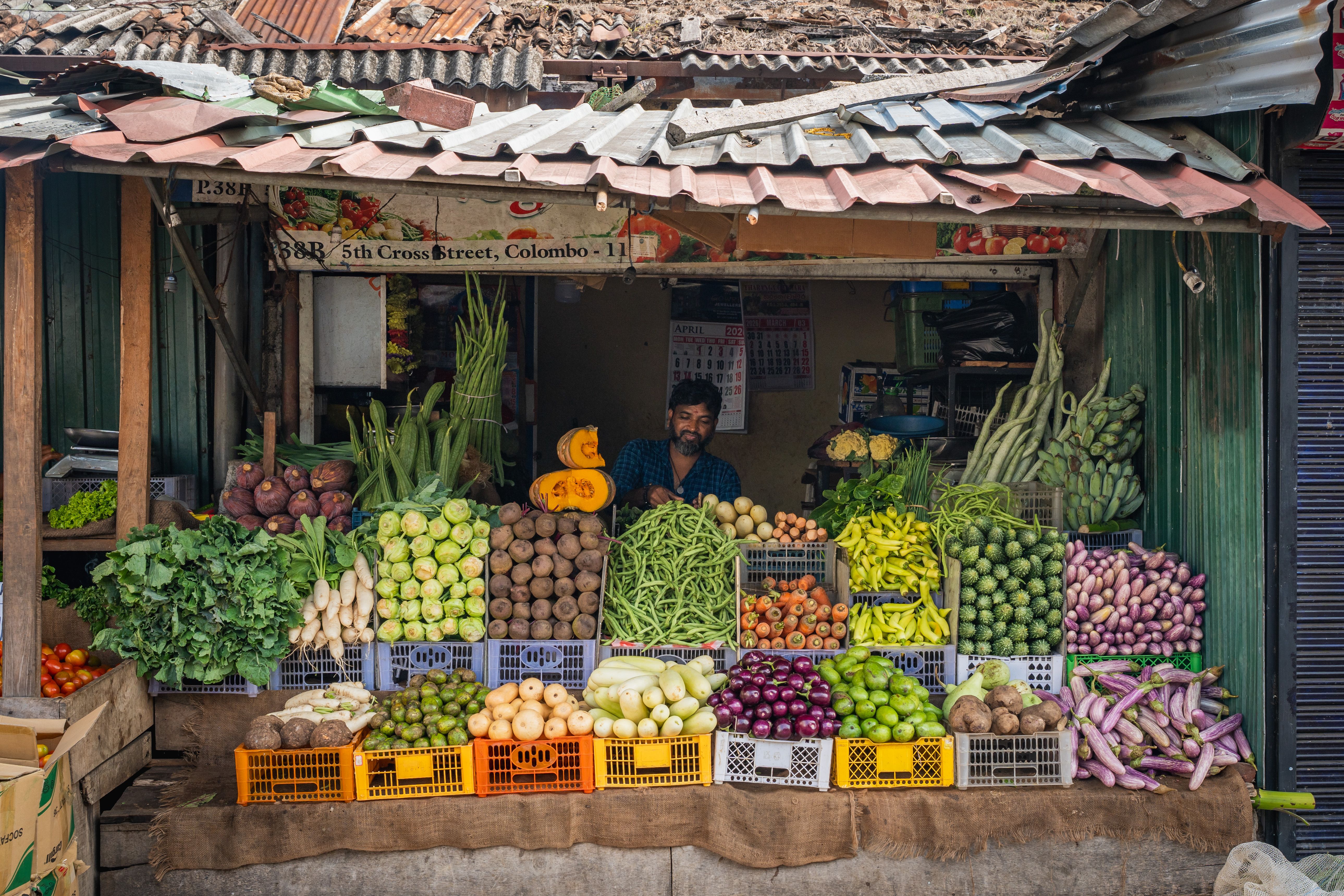
Educational System in Sri Lanka


Summary: The one tip that you hear expats living in Sri Lanka repeatedly sharing with newcomers is not to buy a home when you first move to Sri Lanka. Rent for a few months or longer so that you have time to find the right neighborhood. Give yourself time to ensure that Sri Lanka is right for you for the long term. If you've already taken time to do those things and are ready to take the plunge and become a property owner, here are tips about buying a home in Sri Lanka.
Welcome to Sri Lanka! Navigating a new educational system can be a challenging task for expats. This guide aims to provide a comprehensive overview of the educational system in Sri Lanka, helping you understand the main stages of education, the types of schools available, and the enrollment process for international students. By familiarizing yourself with this information, you'll be better equipped to make informed decisions about your children's education in your new home.
What are the main stages of education in Sri Lanka and what are the names of those stages?
The educational system in Sri Lanka is divided into five main stages: Primary, Junior Secondary, Senior Secondary, Collegiate, and Tertiary. Each stage focuses on different aspects of a child's development and education.
Primary Education
Primary education in Sri Lanka caters to children aged 5 to 9 and is divided into Grades 1 to 5. The focus is on basic literacy and numeracy skills, along with an introduction to social studies, science, and the arts. The primary stage is crucial for developing a strong foundation in a child's education.
Junior Secondary Education
Junior secondary education is for children aged 10 to 13 and covers Grades 6 to 9. During this stage, students are introduced to a broader range of subjects, including history, geography, and a second language. The focus is on expanding the students' knowledge base and preparing them for the senior secondary level.
Senior Secondary Education
Senior secondary education caters to students aged 14 to 18 and includes Grades 10 to 13. This stage is divided into two cycles: the Ordinary Level (O-Level) and the Advanced Level (A-Level). Students prepare for national examinations at the end of each cycle, which determine their eligibility for higher education.
Collegiate Education
Collegiate education offers vocational and technical training programs for students who have completed their senior secondary education. These programs focus on practical skills and prepare students for specific careers or further education.
Tertiary Education
Tertiary education in Sri Lanka includes universities and other higher education institutions. Students can pursue undergraduate and postgraduate degrees in various fields. Admission to universities is based on the results of the A-Level examinations.
How does a newcomer from a different country enroll their kids in school?
To enroll your children in a Sri Lankan school, you'll need to visit the nearest school or the provincial education department with the required documents. These typically include the child's birth certificate, passport, visa, and any previous school records. It's essential to check the specific requirements with the school or the education department, as they may vary.
My children are still learning Sinhala/Tamil, can they enroll in a public school?
Yes, your children can enroll in a public school even if they are still learning Sinhala or Tamil. Many schools offer additional language support to help non-native speakers integrate into the classroom. However, it's crucial to communicate with the school about your child's language needs to ensure they receive the necessary support.
Are there public bilingual schools? (Where are they and how do international students get admitted)
While public bilingual schools are not widespread in Sri Lanka, some schools offer bilingual programs, particularly in urban areas like Colombo. To find these schools, you can contact the provincial education department or ask for recommendations from other expats. International students can get admitted by following the standard enrollment process and providing the necessary documents.
What types of private schools are common in Sri Lanka?
Sri Lanka has a diverse range of private schools, including International Schools, Catholic Schools, and other religious schools. follow various curricula, such as the British, American, or International Baccalaureate (IB) programs. Private schools typically offer bilingual or English-medium instruction and have a broader range of extracurricular activities.
Do expats typically send their children to public or private school? How expensive are Private schools in Sri Lanka?
Expats in Sri Lanka often choose private or international schools for their children due to the language of instruction and the familiarity of the curriculum. Private school fees vary widely, ranging from LKR 50,000 to LKR 500,000 per term, depending on the school's location, facilities, and curriculum. It's essential to research and visit schools to find the best fit for your child and budget.
Are you allowed to homeschool while living in Sri Lanka?
Homeschooling is not widely recognized or regulated in Sri Lanka. While some families may choose to homeschool their children, it's essential to be aware of the potential challenges and legal uncertainties. If you decide to homeschool, consider maintaining strong connections with the local education community and keeping up-to-date with any changes in education policy.
May kids attend online school instead of a local school while living in Sri Lanka?
Yes, children can attend online schools while living in Sri Lanka. This option can be particularly appealing to expats who prefer their children to follow a specific curriculum or those living in remote areas. However, it's essential to ensure that the online school is accredited and that your child has access to a reliable internet connection and necessary resources.
About the Author
 Betsy Burlingame is the Founder and President of Expat Exchange and is one of the Founders of Digital Nomad Exchange. She launched Expat Exchange in 1997 as her Master's thesis project at NYU. Prior to Expat Exchange, Betsy worked at AT&T in International
and Mass Market Marketing. She graduated from Ohio Wesleyan University
with a BA in International Business and German.
Betsy Burlingame is the Founder and President of Expat Exchange and is one of the Founders of Digital Nomad Exchange. She launched Expat Exchange in 1997 as her Master's thesis project at NYU. Prior to Expat Exchange, Betsy worked at AT&T in International
and Mass Market Marketing. She graduated from Ohio Wesleyan University
with a BA in International Business and German.
Some of Betsy's articles include 12 Best Places to Live in Portugal, 7 Best Places to Live in Panama and 12 Things to Know Before Moving to the Dominican Republic. Betsy loves to travel and spend time with her family. Connect with Betsy on LinkedIn.
Additional Information:
- Sri Lanka Guide
- Healthcare & Health Insurance in Sri Lanka
- Members Talk about Healthcare & Health Insurance in Sri Lanka
- Best Places to Live in Sri Lanka
- Real Estate in Sri Lanka
- Guide to Real Estate in Sri Lanka
- Pros & Cons of Living in Sri Lanka
- Cost of Living in Sri Lanka
- Best Places to See While on a Look-See Trip to Sri Lanka (Plus, Itineraries)
- Moving to Sri Lanka with a Pet
- Understanding Mental Health in Sri Lanka
- Do I need Health Insurance When Moving to Sri Lanka?
- Pros and Cons of Living in Sri Lanka 2026