Educational System in Turkmenistan


Summary: The one tip that you hear expats living in Turkmenistan repeatedly sharing with newcomers is not to buy a home when you first move to Turkmenistan. Rent for a few months or longer so that you have time to find the right neighborhood. Give yourself time to ensure that Turkmenistan is right for you for the long term. If you've already taken time to do those things and are ready to take the plunge and become a property owner, here are tips about buying a home in Turkmenistan.
Turkmenistan's educational system is centralized and managed by the Ministry of Education. It is compulsory for all children to attend school from the age of 7 to 16. The education system is comprised of several stages, starting from pre-school, followed by primary, secondary, and tertiary education. The language of instruction is Turkmen, with some schools offering bilingual or multilingual programs. Understanding the educational system can help expats make informed decisions about their children's schooling while living in Turkmenistan.
What are the main stages of education in Turkmenistan and what are the names of those stages?
The main stages of education in Turkmenistan are pre-school, primary school, secondary school, and higher education. Pre-school is not compulsory and caters to children aged 3 to 6. Primary school, known as 'Me?ji', is compulsory and includes grades 1 to 3 for children aged 7 to 10. Secondary school is divided into two stages: lower secondary ('Orta') for grades 4 to 9, and upper secondary ('Ýokary Orta') for grades 10 to 11, catering to children aged 10 to 16. Higher education includes universities and institutions offering specialized degrees.
What is pre-school like in Turkmenistan?
Pre-school in Turkmenistan is not compulsory and is available for children aged 3 to 6. It focuses on socialization, basic language skills, and motor skills development. Pre-schools are often state-run, but private options are also available. The language of instruction is typically Turkmen, but some private pre-schools may offer bilingual or multilingual programs.
What is primary school like in Turkmenistan?
Primary school, or 'Me?ji', is compulsory and includes grades 1 to 3 for children aged 7 to 10. The curriculum focuses on basic literacy, numeracy, and introductory subjects like history, geography, and science. The language of instruction is Turkmen. Schools operate Monday through Friday, with the school day typically starting at 8:00 AM and ending at 2:00 PM.
What is secondary school like in Turkmenistan?
Secondary school is divided into two stages: lower secondary ('Orta') and upper secondary ('Ýokary Orta'). Lower secondary includes grades 4 to 9 for children aged 10 to 15, while upper secondary includes grades 10 to 11 for children aged 15 to 16. The curriculum builds on primary education, introducing more specialized subjects. Upon completion of upper secondary school, students receive a certificate allowing them to pursue higher education.
How does a newcomer from a different country enroll their kids in school?
To enroll their kids in school, expats should contact the nearest school or the local education department. Required documents typically include the child's birth certificate, passport, a residence permit, and any available school transcripts. Some schools may require an interview or entrance exam to assess the child's level of education. It is recommended to start the enrollment process well before the school year begins.
My children are still learning Turkmen, can they enroll in a public school?
Yes, children still learning Turkmen can enroll in public schools. However, they may face initial language barriers, as the language of instruction is Turkmen. Some schools offer additional language support for non-native speakers. Alternatively, private or may provide bilingual or multilingual programs better suited to expat children.
Are there public bilingual schools? Where are they and how do international students get admitted?
Public bilingual schools are not common in Turkmenistan. However, some private and international schools offer bilingual or multilingual programs. These schools are typically located in larger cities like Ashgabat. Admission requirements vary, but generally, international students need to provide previous school transcripts, a passport, and a residence permit. It is recommended to contact the schools directly for specific admission procedures.
What types of private schools are common in Turkmenistan?
Private schools in Turkmenistan include international schools, bilingual schools, and specialized schools focusing on specific subjects or educational approaches. International schools often follow a foreign curriculum, such as British, American, or Russian. These schools cater to the expat community and local families seeking an international education for their children.
Do expats typically send their children to public or private school? How expensive are private schools in Turkmenistan?
Expats typically send their children to private or international schools due to the language of instruction and the familiarity of the curriculum. The cost of private schools varies greatly, ranging from a few thousand to tens of thousands of US dollars per year. Fees often depend on the school's facilities, curriculum, and location.
Are you allowed to homeschool while living in Turkmenistan?
Homeschooling is not widely recognized or regulated in Turkmenistan. Compulsory education laws require children to attend school, and homeschooling is not typically considered a viable alternative. Expats interested in homeschooling should consult with the local education authorities and their home country's embassy for guidance.
May kids attend online school instead of a local school while living in Turkmenistan?
Online schooling is not explicitly regulated in Turkmenistan, and its recognition may vary. While some international online schools or homeschooling programs may be accessible, it is essential to consult with local education authorities and the relevant embassy to ensure compliance with compulsory education laws and to understand the recognition of online education in Turkmenistan.
About the Author
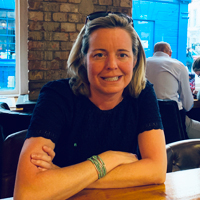 Betsy Burlingame is the Founder and President of Expat Exchange and is one of the Founders of Digital Nomad Exchange. She launched Expat Exchange in 1997 as her Master's thesis project at NYU. Prior to Expat Exchange, Betsy worked at AT&T in International
and Mass Market Marketing. She graduated from Ohio Wesleyan University
with a BA in International Business and German.
Betsy Burlingame is the Founder and President of Expat Exchange and is one of the Founders of Digital Nomad Exchange. She launched Expat Exchange in 1997 as her Master's thesis project at NYU. Prior to Expat Exchange, Betsy worked at AT&T in International
and Mass Market Marketing. She graduated from Ohio Wesleyan University
with a BA in International Business and German.
Some of Betsy's articles include 12 Best Places to Live in Portugal, 7 Best Places to Live in Panama and 12 Things to Know Before Moving to the Dominican Republic. Betsy loves to travel and spend time with her family. Connect with Betsy on LinkedIn.
Additional Information:
- Turkmenistan Guide
- Healthcare & Health Insurance in Turkmenistan
- Members Talk about Healthcare & Health Insurance in Turkmenistan
- Best Places to Live in Turkmenistan
- Guide to Real Estate in Turkmenistan
- Pros & Cons of Living in Turkmenistan
- Cost of Living in Turkmenistan
- Pros and Cons of Living in Turkmenistan 2026