
Homeschooling in Serbia


Summary: If you're moving with kids to Serbia and homeschooling is something you're considering, it's important to do your research and learn about homeschooling in Serbia.
Homeschooling, a practice where children are educated at home instead of traditional schools, is a growing trend worldwide. In Serbia, however, the situation is less straightforward. The legality, commonality, and practical aspects of homeschooling in Serbia, particularly for expats, are complex topics that warrant detailed exploration.
Is it legal to homeschool in Serbia, specifically for foreign residents or expats?
Homeschooling in Serbia is not explicitly recognized by law, making it a gray area for both locals and expats. Serbian law mandates compulsory education for children, typically interpreted as attendance at a registered school. Foreign residents or expats may face additional challenges, as they must also comply with residency and visa requirements. Some expats may opt for online schools based in their home countries to ensure compliance with international educational standards.
Is Homeschooling common in Serbia?
Homeschooling is not common in Serbia due to the legal uncertainties and cultural norms that prioritize traditional schooling. Most Serbian families prefer to send their children to public or private schools. However, there is a small but growing interest in alternative education methods, including homeschooling, especially among expat communities.
What specific requirements are there for homeschoolers in Serbia?
Since homeschooling is not officially recognized, there are no specific requirements or guidelines provided by the Serbian government. Families who choose to homeschool often follow international curricula or those from their home countries. It is recommended to maintain thorough records of the child's education to facilitate potential transitions back to traditional schools or for university admissions.
Are there groups or resources for families who homeschool in Serbia?
Resources and support groups for homeschooling families in Serbia are limited but growing. Expats often rely on international homeschooling communities and online resources for curriculum materials and advice. Local support groups are scarce, but some expat communities may have informal networks where families can share experiences and resources.
What should homeschooling parents take into consideration for university admissions in Serbia and internationally?
Homeschooling parents should be aware of the specific admission requirements for universities in Serbia and abroad. Many universities accept homeschooled students but may require additional documentation, such as portfolios, standardized test scores, or interviews. It is crucial to research the admission policies of targeted universities well in advance to ensure a smooth transition from homeschooling to higher education.
What are the Pros and Cons of homeschooling in Serbia for expat families?
Pros of homeschooling in Serbia include flexibility, personalized education, and the ability to maintain cultural and linguistic ties with the home country. Cons include legal uncertainties, potential social isolation, and the lack of local support structures. Expat families must carefully weigh these factors and consider their specific circumstances before deciding to homeschool in Serbia.
About the Author
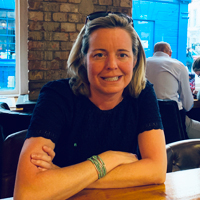 Betsy Burlingame is the Founder and President of Expat Exchange and is one of the Founders of Digital Nomad Exchange. She launched Expat Exchange in 1997 as her Master's thesis project at NYU. Prior to Expat Exchange, Betsy worked at AT&T in International
and Mass Market Marketing. She graduated from Ohio Wesleyan University
with a BA in International Business and German.
Betsy Burlingame is the Founder and President of Expat Exchange and is one of the Founders of Digital Nomad Exchange. She launched Expat Exchange in 1997 as her Master's thesis project at NYU. Prior to Expat Exchange, Betsy worked at AT&T in International
and Mass Market Marketing. She graduated from Ohio Wesleyan University
with a BA in International Business and German.
Some of Betsy's articles include 12 Best Places to Live in Portugal, 7 Best Places to Live in Panama and 12 Things to Know Before Moving to the Dominican Republic. Betsy loves to travel and spend time with her family. Connect with Betsy on LinkedIn.
Additional Information: