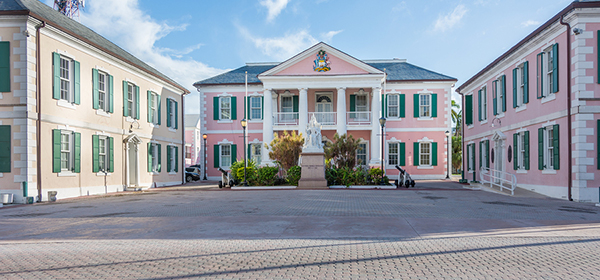
Culture Shock in Bahamas


Summary: If you're planning a move to Bahamas, or have recently settled there, it's natural to encounter some culture shock as you adjust to your new surroundings. Our insightful article is designed to help you navigate this transition smoothly. It offers practical tips and draws on the experiences of fellow expats who have successfully embraced the cultural nuances of Bahamas.
Moving to the Bahamas? Get ready for a world of white sand beaches, turquoise waters, and a vibrant culture. But as with any international move, you might experience culture shock. Here's what to expect and how to navigate the cultural differences in the Bahamas.
Phases of Culture Shock in the Bahamas
Culture shock typically comes in phases: the honeymoon phase, where everything is new and exciting; the frustration phase, when differences become challenging; the adjustment phase, where you start to adapt; and the acceptance phase, where you embrace the new culture. In the Bahamas, you might initially be enamored by the laid-back island life. However, the frustration phase may set in when you encounter the slower pace of life, known locally as 'island time', or when you struggle with the local dialect.
Language Barrier: How Challenging Will It Be?
The official language of the Bahamas is English, but locals often speak Bahamian Creole, a blend of Queen's English, African influences, and island dialects. If you're still learning, it might be challenging at first. Bahamians speak quickly and often use phrases unique to the islands. However, locals are generally friendly and willing to help you understand. Consider learning common phrases and practicing with locals. It's a great way to connect and show respect for the culture.
5 Biggest Cultural Faux Pas Expats Make in the Bahamas
To help you navigate Bahamian culture, here are the top five faux pas to avoid:
Disrespecting Religion: The Bahamas is a religious country, with Christianity being the dominant faith. Avoid making jokes or disrespectful comments about religion.
Ignoring Greetings: Greetings are important in Bahamian culture. Always greet people with a friendly 'good morning', 'good afternoon', or 'good evening'.
Rushing Locals: Bahamians have a relaxed pace of life. Rushing or showing impatience is considered rude.
Refusing Food: If offered food, it's polite to accept. Refusing could be seen as disrespectful.
Public Displays of Affection: While the Bahamas is generally tolerant, excessive PDAs are frowned upon.
Navigating Bahamian Time: 'Island Time'
One of the biggest cultural differences you'll notice is the pace of life. Bahamians operate on 'island time', a slower, more relaxed pace. This can be frustrating if you're from a fast-paced culture. Meetings might start late, and services might be slower than you're used to. Instead of getting frustrated, try to embrace it. Use the extra time to enjoy the beautiful surroundings.
Advice from Expats on Culture Shock in the Bahamas
We gathered advice from expats who have experienced culture shock in the Bahamas:
"Embrace the differences," says Sarah, who moved from Canada. "Instead of getting frustrated, try to understand why things are done differently. It's a great learning experience."
"Be patient with yourself," advises John, who moved from the UK. "Culture shock is normal. Give yourself time to adjust and don't be too hard on yourself if you struggle at first."
"Make local friends," suggests Maria, who moved from Spain. "They can help you understand the culture, teach you the language, and make you feel at home."
"Expect the unexpected," laughs Paul, who moved from the US. "The Bahamas is full of surprises. Be open to new experiences and go with the flow."
Food and Culture: What to Expect
Bahamian cuisine is a blend of African, Caribbean, and European influences. Expect lots of seafood, tropical fruits, and spicy flavors. Conch, a type of sea snail, is a national dish and can be found in everything from salads to fritters. Rice and peas are a staple side dish, and don't be surprised to find goat or mutton on the menu. Embrace the new flavors and don't be afraid to try local dishes.
Cultural Events and Festivals in the Bahamas
The Bahamas has a rich cultural scene with many festivals and events. Junkanoo, a colorful street parade with music, dance, and costumes, is a must-see. It's held on Boxing Day and New Year's Day. The Bahamas International Film Festival and the Eleuthera Pineapple Festival are also highlights. Participating in these events is a great way to immerse yourself in the culture.
Respecting Bahamian History and Heritage
The Bahamas has a complex history, including colonialism and slavery. It's important to respect this history and be sensitive to the issues that Bahamians face. Take the time to learn about the country's past and engage in respectful conversations with locals. Visiting historical sites and museums can provide valuable context.
Coping with Culture Shock: Tips and Tricks
Culture shock is a normal part of moving abroad. Here are some tips to help you cope:
Stay Connected: Keep in touch with family and friends back home. They can provide a sense of familiarity and support.
Explore: Get out and explore your new surroundings. The more you engage with the culture, the easier it will be to adapt.
Self-Care: Moving abroad is stressful. Make sure to take care of your physical and mental health.
Be Patient: Adapting to a new culture takes time. Don't rush yourself through the process.
Seek Help: If you're struggling, don't be afraid to seek help from professionals or fellow expats.
Moving to the Bahamas is an exciting adventure. Embrace the culture shock as a part of the journey. With an open mind and a willingness to learn, you'll soon be calling the Bahamas home.
"I never really went through the honeymoon phase. I loved some bits and not others. My partner did though. We then both went through the irritation to anger, to rejection but then to sorrow and giving up rather than adjustment," said one expat living in Treasure Cay, Abaco.
"People here mostly smile and greet you every time you go by, strangers or not. There is a 'help each other attitude' in some groups," said one expat living in Treasure Cay, Abaco.
"A resistance to change. Lack of interest in opportunities that both land and sea offer. Lack of use of both. Poor attitudes in any type of officialdom, basically service with a shrug or blank stare. Not caring about standards - the stores happily sell food that is out of date and even rotten. Communication is appalling, phones not answered, messages and emails not replied to, desks not manned. Corruption. Male chauvinism. There is a definite male/female divide here. Of course none of this applies to everyone or every place, there are some lovely people and some places with great service, but it is generally inherant," commented an expat living in Treasure Cay, Abaco.
About the Author
 Betsy Burlingame is the Founder and President of Expat Exchange and is one of the Founders of Digital Nomad Exchange. She launched Expat Exchange in 1997 as her Master's thesis project at NYU. Prior to Expat Exchange, Betsy worked at AT&T in International
and Mass Market Marketing. She graduated from Ohio Wesleyan University
with a BA in International Business and German.
Betsy Burlingame is the Founder and President of Expat Exchange and is one of the Founders of Digital Nomad Exchange. She launched Expat Exchange in 1997 as her Master's thesis project at NYU. Prior to Expat Exchange, Betsy worked at AT&T in International
and Mass Market Marketing. She graduated from Ohio Wesleyan University
with a BA in International Business and German.
Some of Betsy's articles include 12 Best Places to Live in Portugal, 7 Best Places to Live in Panama and 12 Things to Know Before Moving to the Dominican Republic. Betsy loves to travel and spend time with her family. Connect with Betsy on LinkedIn.
Additional Information:
- Bahamas Guide
- Healthcare & Health Insurance in Bahamas
- Members Talk about Healthcare & Health Insurance in Bahamas
- Best Places to Live in Bahamas
- Real Estate in Bahamas
- Guide to Real Estate in Bahamas
- Pros & Cons of Living in Bahamas
- Cost of Living in Bahamas
- 10 Things to Know Before Moving to Bahamas
- How to Buy a Home in Bahamas
- Pros and Cons of Living in Bahamas
- Chikungunya Disease in Bahamas
- 2026 Guide to Living in Bahamas
- Pros and Cons of Living in Bahamas 2026
- 2026 Guide to Moving to Bahamas