Dengue Virus in Tanzania


Summary: Residents and travelers in Tanzania should be aware of the dengue virus, carried by the Aedes mosquito. Understanding the symptoms of dengue and adopting strategies to avoid mosquito bites are key to maintaining your health in this area.
Dengue virus, a mosquito-borne tropical disease, is a significant public health concern in Tanzania. Caused by four distinct serotypes, Dengue virus can lead to a range of symptoms and, in severe cases, potentially life-threatening complications. Understanding Dengue disease, its prevalence in Tanzania, preventive measures, and its impact on different population groups is crucial for both residents and expats living in the country.
What is Dengue Disease?
Dengue disease is a viral infection transmitted by the bite of an infected Aedes aegypti or Aedes albopictus mosquito. Symptoms typically appear 4 to 10 days after the bite and may include high fever, severe headache, pain behind the eyes, muscle and joint pain, nausea, vomiting, swollen glands, and rash. The illness can last up to ten days, with the critical phase occurring between days 3 to 7, when severe complications such as Dengue Hemorrhagic Fever (DHF) or Dengue Shock Syndrome (DSS) may develop. Long-lasting effects, although rare, can include fatigue, depression, and neurological symptoms. Recovery from Dengue infection provides lifelong immunity to that specific serotype, but cross-immunity to other serotypes is temporary, and reinfection is possible.
Where is Dengue Most Prevalent in Tanzania?
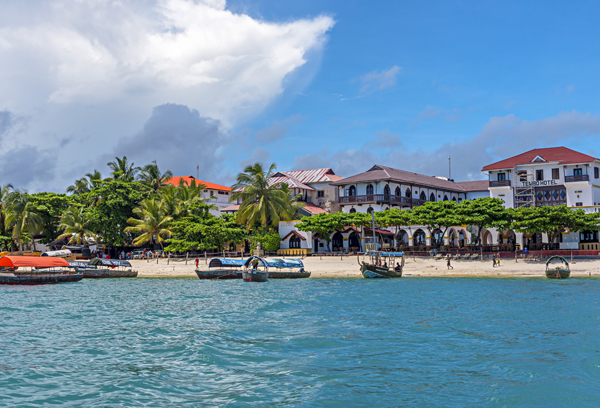
Dengue is most prevalent in the coastal regions of Tanzania, particularly in Dar es Salaam, Tanga, and Zanzibar. These areas provide ideal breeding grounds for the Aedes mosquitoes due to their tropical climate, high humidity, and frequent rainfall. Urbanization and poor sanitation also contribute to the spread of Dengue, as discarded containers and standing water serve as breeding sites for mosquitoes. While less common, cases of Dengue have also been reported in inland regions such as Arusha and Kilimanjaro, highlighting the need for vigilance throughout the country.
How Do Expats in Tanzania Prevent Mosquito Bites?
Expats in Tanzania can take several preventive measures to protect themselves from mosquito bites and reduce the risk of Dengue infection. These include using insect repellents containing DEET, wearing long-sleeved clothing and pants, installing mosquito nets over beds, and using air conditioning or window screens when possible. Additionally, expats can minimize mosquito breeding sites by regularly emptying and cleaning containers that hold water, such as flower pots, buckets, and old tires. Staying in well-maintained accommodations and avoiding areas with high mosquito populations can also help reduce the risk of infection.
What if I Get Dengue Virus in Tanzania?
If you suspect you have contracted Dengue virus in Tanzania, it is essential to seek medical attention promptly. While there is no specific antiviral treatment for Dengue, early detection and supportive care can significantly improve outcomes. providers may recommend rest, hydration, and medications to alleviate symptoms such as fever and pain. In severe cases, hospitalization may be required to monitor and manage potential complications like DHF or DSS. It is crucial to avoid non-steroidal anti-inflammatory drugs (NSAIDs) like aspirin or ibuprofen, as they can increase the risk of bleeding.
Is Dengue Virus Contagious?
Dengue virus is not contagious and cannot be spread directly from person to person. The virus is primarily transmitted through the bite of an infected Aedes mosquito. However, there is a rare possibility of vertical transmission from an infected mother to her newborn during pregnancy or at the time of birth. Additionally, transmission through blood transfusions and organ transplants has been reported, although these cases are extremely rare.
Does Dengue Virus Pose a Greater Risk to Children, the Elderly, or the Immunocompromised?
Dengue virus can affect individuals of all ages, but certain groups may be at higher risk of developing severe complications. Children, especially those under 12, are more susceptible to DHF and DSS. The elderly and individuals with pre-existing medical conditions, such as diabetes or heart disease, may also experience more severe symptoms and complications. Immunocompromised individuals are at a higher risk of prolonged viremia and potentially more severe disease. Pregnant women should take extra precautions, as Dengue infection during pregnancy can increase the risk of adverse outcomes for both the mother and the fetus.
In conclusion, Dengue virus remains a significant public health concern in Tanzania, particularly in coastal regions. Understanding the disease, its prevention, and its impact on different population groups is crucial for residents and expats alike. By taking appropriate preventive measures and seeking prompt medical attention when necessary, individuals can minimize the risk of infection and improve outcomes.
About the Author
 Betsy Burlingame is the Founder and President of Expat Exchange and is one of the Founders of Digital Nomad Exchange. She launched Expat Exchange in 1997 as her Master's thesis project at NYU. Prior to Expat Exchange, Betsy worked at AT&T in International
and Mass Market Marketing. She graduated from Ohio Wesleyan University
with a BA in International Business and German.
Betsy Burlingame is the Founder and President of Expat Exchange and is one of the Founders of Digital Nomad Exchange. She launched Expat Exchange in 1997 as her Master's thesis project at NYU. Prior to Expat Exchange, Betsy worked at AT&T in International
and Mass Market Marketing. She graduated from Ohio Wesleyan University
with a BA in International Business and German.
Some of Betsy's articles include 12 Best Places to Live in Portugal, 7 Best Places to Live in Panama and 12 Things to Know Before Moving to the Dominican Republic. Betsy loves to travel and spend time with her family. Connect with Betsy on LinkedIn.
Additional Information:
- Tanzania Guide
- Healthcare & Health Insurance in Tanzania
- Members Talk about Healthcare & Health Insurance in Tanzania
- Best Places to Live in Tanzania
- Real Estate in Tanzania
- Guide to Real Estate in Tanzania
- Pros & Cons of Living in Tanzania
- Cost of Living in Tanzania
- How to Buy a Home in Tanzania
- Pros and Cons of Living in Tanzania
- How to Rent a Home in Tanzania
- How to Enroll in the Public Healthcare System in Tanzania
- Pros and Cons of Living in Tanzania 2026