

Christmas in Argentina


Summary: Explore the festive traditions of Christmas and New Year in Argentina, where the celebrations are marked by special foods, church ceremonies, the exchange of gifts, and an array of cultural customs.
The holiday season in Argentina blends European traditions with local flair, creating a festive atmosphere that’s both familiar and uniquely South American. For expats and digital nomads experiencing their first Christmas and New Year’s here, the celebrations are lively, warm, and full of surprises—from late-night feasts to fireworks lighting up the summer sky.
Holiday Traditions and Celebrations
Christmas in Argentina is a summer affair, with long daylight hours and warm temperatures shaping how people celebrate. Unlike in the Northern Hemisphere, where cozy indoor gatherings dominate, Argentines embrace the outdoors, hosting barbecues, beach trips, and street parties. The festive spirit starts in early December, with decorations appearing in homes, shops, and public spaces.
New Year’s Eve is just as vibrant, marked by fireworks, music, and gatherings with friends and family. Many people head to beaches or rooftops to watch the midnight fireworks, while others celebrate in plazas or at private parties. The energy is infectious, and even those who don’t normally stay up late find themselves joining the revelry.
Santa Claus and Gift-Giving
Santa Claus—known locally as *Papá Noel*—plays a role in Argentine Christmas, though his presence is more subdued than in North America or Europe. Children leave out shoes (instead of stockings) for small gifts, and families exchange presents on Christmas Eve rather than Christmas Day. Gifts tend to be modest, with a focus on practical or sentimental items rather than extravagant spending. Books, chocolates, and local crafts are common choices.
Food and Desserts
Christmas Eve (*Nochebuena*) is the main event, with a late-night feast that often starts after 10 PM. The centerpiece is usually a roasted *lechón* (suckling pig) or *asado* (barbecue), accompanied by salads, *panettone* (a sweet Italian bread), and *sidra* (sparkling cider). Dessert is a highlight: *pan dulce* (fruit-studded sweet bread), *turrón* (nougat), and *ensalada de frutas* (fruit salad) are staples.
For New Year’s, the focus is on symbolic foods believed to bring luck. Grapes are eaten at midnight—one for each chime of the clock—while some tuck money in their shoes or wear red underwear for prosperity. A late-night asado or seafood platter is common, followed by more fireworks and dancing.
Christmas Eve and Christmas Day
Christmas Eve is the heart of the celebration. Families gather for a long, leisurely dinner that can last until the early hours of Christmas Day. After the meal, many attend *Misa de Gallo* (Rooster’s Mass), a midnight church service that marks the official start of Christmas. Fireworks light up the sky, and children play with sparklers and small firecrackers.
Christmas Day itself is quieter, often spent recovering from the night before. Some families visit extended relatives or enjoy a relaxed lunch, but the main festivities are over. Many businesses close, and the streets are noticeably calmer.
Church and Religious Observances
While Argentina is a predominantly Catholic country, not everyone attends church during the holidays. Those who do typically go to *Misa de Gallo* on Christmas Eve, a tradition that blends religious reverence with social celebration. Some churches hold additional services on Christmas Day, but the midnight mass is the most widely observed.
Best Places for Holiday Festivities
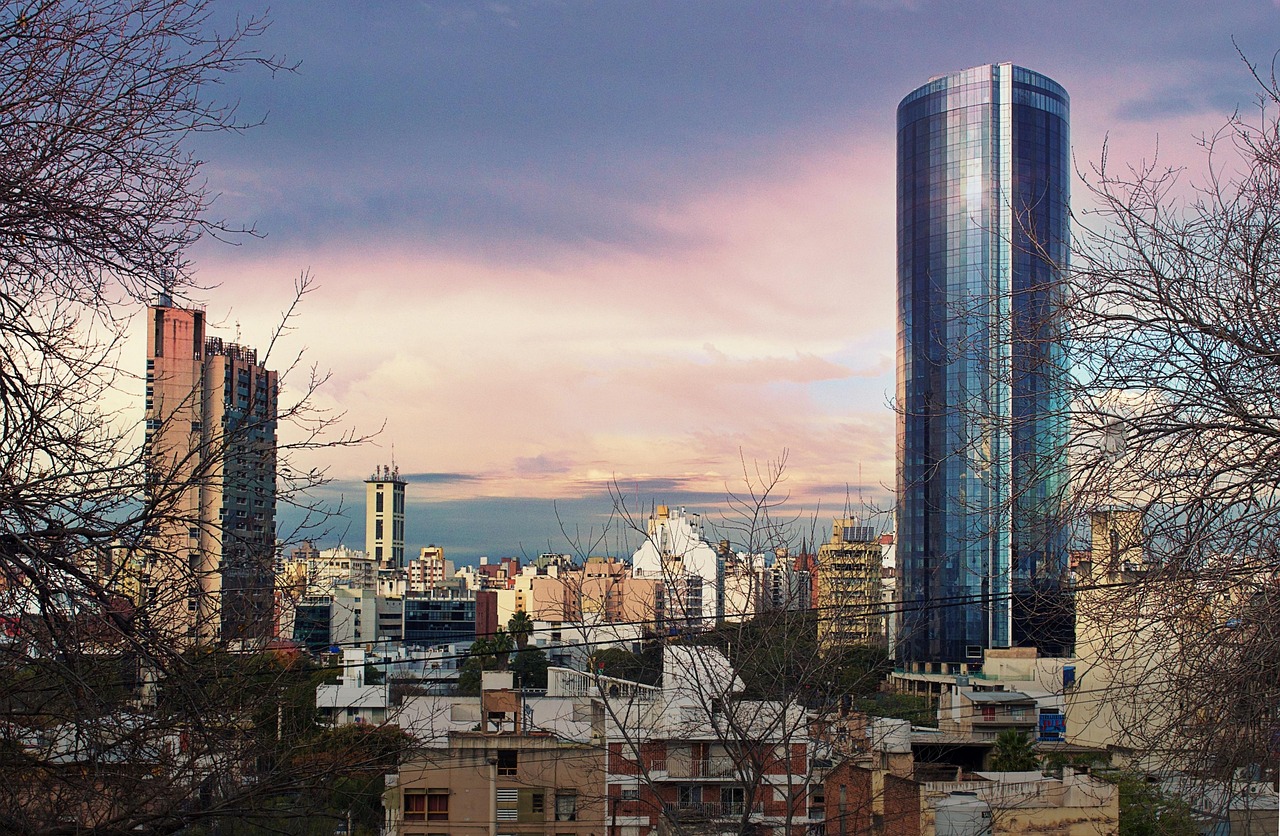
Certain cities and neighborhoods go all out with decorations and events. Buenos Aires’ *Plaza de Mayo* and *Avenida de Mayo* are adorned with lights, while *Recoleta* and *Palermo* host festive markets and open-air concerts. In Córdoba, the *Paseo del Buen Pastor* transforms into a winter wonderland (despite the summer heat), and Salta’s colonial streets are lit with lanterns and nativity scenes.
For a more local experience, smaller towns like *San Antonio de Areco* (near Buenos Aires) or *Purmamarca* (in Jujuy) offer charming, less touristy celebrations. Beaches like *Mar del Plata* and *Pinamar* are packed with revelers for New Year’s, with parties lasting until sunrise.
Whether you’re drawn to the bustling city scenes or the laid-back coastal vibe, Argentina’s holiday season offers something for everyone. The mix of traditions, food, and warm weather makes it a memorable experience—one that feels both familiar and refreshingly new.
About the Author
 Betsy Burlingame is the Founder and President of Expat Exchange and is one of the Founders of Digital Nomad Exchange. She launched Expat Exchange in 1997 as her Master's thesis project at NYU. Prior to Expat Exchange, Betsy worked at AT&T in International
and Mass Market Marketing. She graduated from Ohio Wesleyan University
with a BA in International Business and German.
Betsy Burlingame is the Founder and President of Expat Exchange and is one of the Founders of Digital Nomad Exchange. She launched Expat Exchange in 1997 as her Master's thesis project at NYU. Prior to Expat Exchange, Betsy worked at AT&T in International
and Mass Market Marketing. She graduated from Ohio Wesleyan University
with a BA in International Business and German.
Some of Betsy's articles include 12 Best Places to Live in Portugal, 7 Best Places to Live in Panama and 12 Things to Know Before Moving to the Dominican Republic. Betsy loves to travel and spend time with her family. Connect with Betsy on LinkedIn.
Additional Information:
- Argentina Guide
- Healthcare & Health Insurance in Argentina
- Members Talk about Healthcare & Health Insurance in Argentina
- Best Places to Live in Argentina
- Real Estate in Argentina
- Guide to Real Estate in Argentina
- Pros & Cons of Living in Argentina
- Cost of Living in Argentina
- Culture Shock in Argentina
- Homeschooling in Argentina
- How to Enroll Your Children in School in Argentina
- Educational System in Argentina
- 2026 Guide to Living in Argentina
- Pros and Cons of Living in Argentina 2026