Christmas in the Dominican Republic


Summary: Learn how people celebrate Christmas and the New Year in the Dominican Republic - traditions, food, church, gift exchange and more.
The holiday season in the Dominican Republic is a lively mix of tropical warmth, vibrant traditions, and festive energy. For expats and digital nomads experiencing their first Christmas and New Year’s here, the celebrations blend local customs with familiar holiday cheer, creating a unique and memorable experience.
Holiday Traditions and Celebrations
The Dominican Republic embraces the holidays with enthusiasm, starting in early December and lasting through early January. Streets and homes are decorated with lights, nativity scenes (called *nacimientos* or *pesebres*), and Christmas trees. Unlike in colder climates, the festive spirit thrives under palm trees and sunny skies, with music, dancing, and gatherings at the heart of the season.
Christmas Eve (*Nochebuena*) is the main event, far more significant than Christmas Day itself. Families and friends come together for a late-night feast, often starting around 10 PM and lasting until the early hours of Christmas morning. Fireworks light up the sky, and the sound of *merengue* and *bachata* fills the air as people celebrate with food, drinks, and dancing.
Santa Claus and Gift-Giving
Santa Claus (*Santa Clos* or *Papá Noel*) is recognized, especially in urban areas and among families with children, but he plays a smaller role than in Western traditions. Gifts are exchanged, though not always on Christmas morning—some families open presents after the *Nochebuena* feast, while others wait until Three Kings’ Day (*Día de los Reyes*) on January 6th, when children receive gifts in honor of the biblical Magi.
Common gifts include practical items like clothing, electronics, or household goods, as well as sweets and small tokens of appreciation. For adults, gift-giving is often more about thoughtfulness than extravagance, with an emphasis on shared experiences rather than material goods.
Traditional Foods and Desserts
Food is central to Dominican holiday celebrations, with *Nochebuena* featuring an elaborate spread. The star of the meal is *lechón asado* (roast pork), slow-cooked over an open flame and seasoned with garlic, sour orange, and spices. It’s served with *moros y cristianos* (rice and black beans), *pasteles en hoja* (similar to tamales), *ensalada rusa* (a potato and vegetable salad), and *tostones* (fried plantains).
For dessert, *habichuelas con dulce* (a sweet cream made from red beans, milk, and spices) is a must, along with *turrón* (nougat), *dulce de coco* (coconut candy), and *ponche* (a creamy eggnog-like drink). Many families also enjoy *pastelitos* (fried pastries filled with meat or cheese) and *coquito* (a coconut-based holiday drink).
Christmas Eve and Christmas Day
Christmas Eve is the pinnacle of the season. After the late-night feast, many Dominicans attend *Misa de Gallo* ("Rooster’s Mass"), a midnight church service celebrating the birth of Christ. Churches across the country are packed, with some holding outdoor services or processions. Following Mass, the party continues with music, dancing, and fireworks well into the morning.
Christmas Day is a quieter affair, often spent recovering from the previous night’s festivities. Families may gather for a relaxed lunch, visit extended relatives, or enjoy the beach or a poolside barbecue. Many businesses close, and the streets are noticeably calmer as people unwind after the excitement of *Nochebuena*.
New Year’s Celebrations
New Year’s Eve (*Nochevieja*) is another major celebration, marked by fireworks, music, and superstitions for good luck. At midnight, people eat 12 grapes—one for each chime of the clock—while making a wish for the coming year. Some sweep coins into their homes for prosperity, while others wear yellow or red underwear for luck in love or money. Parties last until dawn, with beachfront gatherings, rooftop bars, and private events offering stunning views of the fireworks.
New Year’s Day is a public holiday, with many Dominicans heading to the beach or enjoying a leisurely brunch. Some attend church services to give thanks for the past year and pray for blessings in the new one.
Festive Markets and Decorations
Several towns and neighborhoods are known for their holiday spirit. Santo Domingo’s *Zona Colonial* transforms into a dazzling display of lights, with its cobblestone streets lined with vendors selling crafts, food, and holiday treats. The *Malecón* (waterfront boulevard) hosts concerts and fireworks, drawing crowds for New Year’s Eve.
In Santiago, the *Carnaval* museum and surrounding areas feature festive decorations, while Punta Cana’s resorts and beach clubs host themed parties and gala dinners. Smaller towns like Jarabacoa and Constanza, with their cooler mountain climates, offer a cozier holiday atmosphere, complete with pine trees and hot chocolate.
Christmas markets pop up in major cities, selling handmade ornaments, *pesebres* (nativity scenes), and local crafts. The *Feria de Navidad* in Santo Domingo is a popular spot for last-minute gifts, holiday treats, and live music.
Church and Religious Observances
Religion plays a significant role in Dominican holiday traditions. Many families attend church services throughout December, with *Misa de Aguinaldo* (early morning Masses) held in the nine days leading up to Christmas. These services, often at 6 AM, are followed by hot chocolate and *pan de jamón* (ham bread) in church courtyards.
On Christmas Eve, *Misa de Gallo* is the most important service, drawing large crowds. Some churches, like the *Basílica Catedral de Santa María la Menor* in Santo Domingo, hold elaborate processions and musical performances. While not everyone attends church, the religious aspect of the holidays remains a cornerstone of the season.
About the Author
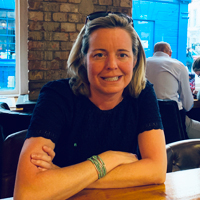 Betsy Burlingame is the Founder and President of Expat Exchange and is one of the Founders of Digital Nomad Exchange. She launched Expat Exchange in 1997 as her Master's thesis project at NYU. Prior to Expat Exchange, Betsy worked at AT&T in International
and Mass Market Marketing. She graduated from Ohio Wesleyan University
with a BA in International Business and German.
Betsy Burlingame is the Founder and President of Expat Exchange and is one of the Founders of Digital Nomad Exchange. She launched Expat Exchange in 1997 as her Master's thesis project at NYU. Prior to Expat Exchange, Betsy worked at AT&T in International
and Mass Market Marketing. She graduated from Ohio Wesleyan University
with a BA in International Business and German.
Some of Betsy's articles include 12 Best Places to Live in Portugal, 7 Best Places to Live in Panama and 12 Things to Know Before Moving to the Dominican Republic. Betsy loves to travel and spend time with her family. Connect with Betsy on LinkedIn.
Additional Information:
- Dominican Rep Guide
- Healthcare & Health Insurance in Dominican Rep
- Members Talk about Healthcare & Health Insurance in Dominican Rep
- Best Places to Live in Dominican Rep
- Real Estate in Dominican Rep
- Guide to Real Estate in Dominican Rep
- Pros & Cons of Living in Dominican Rep
- Cost of Living in Dominican Rep
- Volunteering in Santo Domingo
- 10 Cultural Faux Pas to Avoid While Living in the Dominican Republic
- Top Hospitals in the Dominican Republic by Specialty
- Best Places to See While on a Look-See Trip to the Dominican Republic (Plus, Itineraries)
- Pros and Cons of Living in Dominican Rep 2026
- 2026 Guide to Moving to Dominican Rep