Christmas in Kazakhstan


Summary: Explore the festive traditions of Christmas and New Year in Kazakhstan, where the celebrations are marked by special foods, church ceremonies, the exchange of gifts, and an array of cultural customs.
The holiday season in Kazakhstan brings a mix of winter traditions, festive cheer, and unique local customs. For expats and digital nomads experiencing their first Christmas and New Year in the country, the celebrations offer a blend of familiar elements and Kazakh flair. While Christmas is not a public holiday, New Year’s is the biggest winter celebration, marked by elaborate decorations, family gatherings, and vibrant public events.
Holiday Traditions and Celebrations
New Year’s is the centerpiece of Kazakhstan’s winter holidays, with celebrations often starting in late December and continuing through early January. Unlike in many Western countries, Christmas is primarily observed by the Christian minority, while New Year’s is a universal festivity. The season is filled with bright lights, festive markets, and public performances, creating a lively atmosphere across cities.
Many Kazakh families decorate their homes with New Year trees (similar to Christmas trees), adorned with ornaments, tinsel, and lights. Public spaces, shopping centers, and city squares are transformed into winter wonderlands, with ice sculptures, holiday displays, and photo opportunities.
Santa Claus and Gift-Giving
Instead of Santa Claus, Kazakhstan has Ded Moroz (Grandfather Frost), a Slavic figure who delivers gifts to children. He is often accompanied by his granddaughter, Snegurochka (the Snow Maiden), and visits homes, schools, and public events in the weeks leading up to New Year’s. Families exchange gifts, though the focus is more on New Year’s than Christmas. Common presents include sweets, small toys, and practical items, with some opting for more elaborate gifts for close family.
Food and Festive Meals
Holiday feasts in Kazakhstan are hearty and flavorful, featuring traditional dishes that vary by region. For New Year’s Eve, families gather for a lavish meal that often includes:
- Besbarmak – A noodle and meat dish, usually made with horse or lamb.
- Kazy – A type of horse meat sausage, considered a delicacy.
- Manti – Steamed dumplings filled with meat and onions.
- Baursaks – Fried dough balls, often served as a sweet snack.
- Salads – Such as Olivier (a Russian-style potato salad) and vinegret (beetroot salad).
Desserts play a big role, with favorites like chak-chak (honey-drenched fried dough) and samsa (savory pastries) making frequent appearances. Champagne and sparkling wine are popular toasts at midnight.
Christmas in Kazakhstan
For those celebrating Christmas, the holiday is more subdued but still meaningful. Many Orthodox Christians attend midnight Mass on Christmas Eve (January 6th) or services on Christmas Day (January 7th). Churches hold special liturgies, and some families gather for a modest meal afterward. Unlike New Year’s, Christmas is not widely commercialized, so decorations and events are limited to religious communities.
Public Events and Festive Hotspots
Cities across Kazakhstan host festive events in the lead-up to New Year’s. Some of the best places to experience the holiday spirit include:
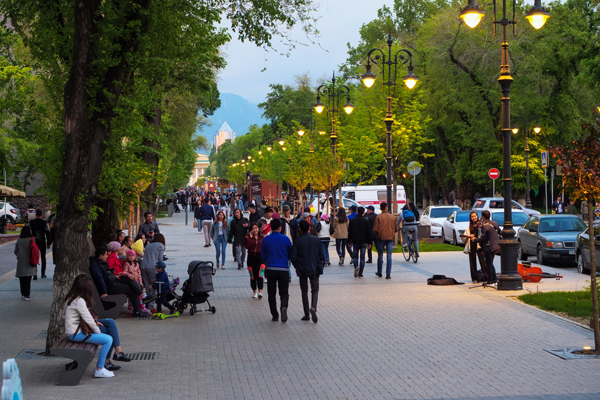
- Almaty – The city’s central squares, such as Republic Square and Arbat, are decorated with lights and ice sculptures. The Almaty Christmas Market (held in December) offers handmade crafts, food stalls, and live performances.
- Nur-Sultan (Astana) – Baykonur Square and Khan Shatyr Shopping Center feature elaborate light displays and holiday-themed activities. The city’s ice rink and winter festivals are popular with families.
- Shymkent – The central park and local bazaars host festive events, with traditional music and dance performances.
- Karaganda – Known for its winter festivals, the city has ice skating rinks and holiday markets.
Fireworks are a staple of New Year’s Eve, with cities lighting up the sky at midnight. Many people gather in public squares or host private parties to welcome the new year.
How Locals Spend the Holidays
New Year’s Eve is typically spent with family, either at home or at restaurants hosting special dinners. After the midnight toast, some head out to public celebrations, while others stay in to enjoy music, games, and leftovers. New Year’s Day is a public holiday, often spent relaxing, visiting friends, or attending winter festivals.
For expats and digital nomads, the holiday season in Kazakhstan offers a chance to experience a mix of familiar and new traditions. Whether joining a local New Year’s feast, exploring festive markets, or simply enjoying the winter scenery, the celebrations provide a unique way to ring in the season.
About the Author
 Betsy Burlingame is the Founder and President of Expat Exchange and is one of the Founders of Digital Nomad Exchange. She launched Expat Exchange in 1997 as her Master's thesis project at NYU. Prior to Expat Exchange, Betsy worked at AT&T in International
and Mass Market Marketing. She graduated from Ohio Wesleyan University
with a BA in International Business and German.
Betsy Burlingame is the Founder and President of Expat Exchange and is one of the Founders of Digital Nomad Exchange. She launched Expat Exchange in 1997 as her Master's thesis project at NYU. Prior to Expat Exchange, Betsy worked at AT&T in International
and Mass Market Marketing. She graduated from Ohio Wesleyan University
with a BA in International Business and German.
Some of Betsy's articles include 12 Best Places to Live in Portugal, 7 Best Places to Live in Panama and 12 Things to Know Before Moving to the Dominican Republic. Betsy loves to travel and spend time with her family. Connect with Betsy on LinkedIn.
Additional Information:
- Kazakhstan Guide
- Healthcare & Health Insurance in Kazakhstan
- Members Talk about Healthcare & Health Insurance in Kazakhstan
- Best Places to Live in Kazakhstan
- Guide to Real Estate in Kazakhstan
- Pros & Cons of Living in Kazakhstan
- Cost of Living in Kazakhstan
- 10 Cultural Faux Pas to Avoid While Living in Kazakhstan
- Top Hospitals in Kazakhstan by Specialty
- Best Places to See While on a Look-See Trip to Kazakhstan (Plus, Itineraries)
- Moving to Kazakhstan with a Pet
- Pros and Cons of Living in Kazakhstan 2026