
Having a Baby in Argentina


Summary: Discover the ins and outs of having a baby in Argentina through this detailed article. It delves into crucial topics such as the differences between public and private healthcare, approaches to pain management, and the process of finding a suitable doctor. Plus, enjoy personal stories from expats who have embraced parenthood in Argentina.
Having a baby in Argentina as an expat can be an exciting and unique experience, but it's important to understand the system and what to expect. The quality of healthcare in Argentina is generally good, especially in big cities, and both public and private options are available. However, navigating the system can be challenging due to language barriers and cultural differences. Here's a guide to help expats understand the process.
Choosing a Doctor
Finding a suitable doctor or midwife is the first step. Many expats prefer to find an English-speaking doctor to ease communication. While there are some English-speaking doctors in major cities like Buenos Aires, they are not as common elsewhere. The best way to find one is through recommendations from expat forums, local friends, or your embassy. You can also ask for a translator if needed. Midwives are less common in Argentina, especially in urban areas, but they are available in some communities.
What to Expect for Prenatal Care
Prenatal care in Argentina typically involves regular check-ups with your chosen doctor. These usually include ultrasounds, blood tests, and routine physical examinations. The frequency of these check-ups increases as the pregnancy progresses. Prenatal classes are not as common as in some other countries, but they can be found in larger cities. It's important to note that practices may vary depending on your location and whether you're using the public or private healthcare system.
Do Expats Typically Have Private health insurance when Having a Baby in Argentina?
Many expats opt for private health insurance due to the perceived better quality of care, shorter waiting times, and access to English-speaking staff. Private insurance often covers prenatal care, delivery, and postnatal care. However, public healthcare is also an option and is free for everyone, including foreigners. It's important to check the specific details of your insurance policy, as coverage can vary significantly.
Giving Birth at Public vs. Private Hospitals
The experience of giving birth in Argentina can vary greatly between public and private hospitals. Private hospitals generally offer more personalized care, private rooms, and better facilities. They are also more likely to have English-speaking staff. Public hospitals, while free, can be crowded, and the quality of care may vary. However, they are equipped to handle all types of deliveries. It's a good idea to visit hospitals in advance to understand their policies and facilities.
C-Sections in Argentina
C-sections are quite common in Argentina. The rates are higher than in many other countries, and elective C-sections are not uncommon. This is due to a variety of factors, including cultural preferences and medical practices. If you prefer a vaginal birth, it's important to discuss this with your doctor early in your pregnancy.
Pain Management During Delivery
Pain management options during delivery vary. Epidurals are available in many hospitals, especially private ones, but not all hospitals offer them 24/7. Other forms of pain management, such as nitrous oxide, are less common. Natural childbirth methods are gaining popularity, but options may be limited depending on your location and hospital.
Hospitals with Neonatal Intensive Care Units
Major cities like Buenos Aires, Córdoba, and Rosario have hospitals with neonatal intensive care units (NICU). These are typically found in larger, more advanced hospitals. Both public and private hospitals can have NICUs, but the availability and quality of care can vary. If you're living in a more rural area, you may need to travel to a larger city for specialized neonatal care. It's a good idea to research hospitals in your area and understand their capabilities before you give birth.
About the Author
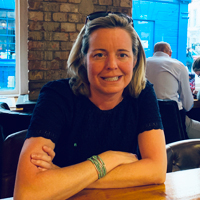 Betsy Burlingame is the Founder and President of Expat Exchange and is one of the Founders of Digital Nomad Exchange. She launched Expat Exchange in 1997 as her Master's thesis project at NYU. Prior to Expat Exchange, Betsy worked at AT&T in International
and Mass Market Marketing. She graduated from Ohio Wesleyan University
with a BA in International Business and German.
Betsy Burlingame is the Founder and President of Expat Exchange and is one of the Founders of Digital Nomad Exchange. She launched Expat Exchange in 1997 as her Master's thesis project at NYU. Prior to Expat Exchange, Betsy worked at AT&T in International
and Mass Market Marketing. She graduated from Ohio Wesleyan University
with a BA in International Business and German.
Some of Betsy's articles include 12 Best Places to Live in Portugal, 7 Best Places to Live in Panama and 12 Things to Know Before Moving to the Dominican Republic. Betsy loves to travel and spend time with her family. Connect with Betsy on LinkedIn.
Additional Information:
- Argentina Guide
- Healthcare & Health Insurance in Argentina
- Members Talk about Healthcare & Health Insurance in Argentina
- Best Places to Live in Argentina
- Real Estate in Argentina
- Guide to Real Estate in Argentina
- Pros & Cons of Living in Argentina
- Cost of Living in Argentina
- How to Buy a Home in Argentina
- Pros and Cons of Living in Argentina
- Chikungunya Disease in Argentina
- Zika Virus in Argentina
- 2026 Guide to Living in Argentina
- Pros and Cons of Living in Argentina 2026