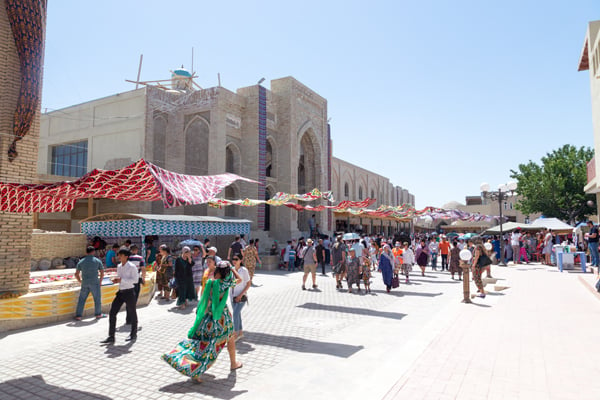


Having a Baby in Uzbekistan


Summary: This article explores key aspects of expecting in Uzbekistan, from choosing between public and private hospitals to pain management strategies. Gain insights on selecting the right doctor, and read firsthand accounts from expats who have experienced childbirth in Uzbekistan.
Having a baby in Uzbekistan as an expat can be an experience filled with both unique challenges and rewarding cultural experiences. The quality of can vary greatly depending on the location and type of facility, with both public and private options available. Finding English-speaking healthcare professionals might be a concern, but with the right preparation, expats can ensure a positive and safe birthing experience.
Choosing a Doctor
Finding a suitable doctor, midwife, or OB/GYN to manage your pregnancy is crucial. In major cities like Tashkent, Samarkand, and Bukhara, there are healthcare professionals who speak English, although they may not be as numerous as in Western countries. Recommendations from local expat communities, embassies, or international organizations can be invaluable. Additionally, some private clinics cater to expats and may have English-speaking staff.
What to Expect for Prenatal Care
Prenatal care in Uzbekistan typically includes regular check-ups, ultrasounds, and basic blood tests. The frequency and type of tests may vary depending on the healthcare provider. Public healthcare facilities might have older equipment and fewer resources compared to private clinics. It's essential to discuss your expectations and any specific medical needs with your chosen healthcare provider early in your pregnancy.
Do Expats Typically Have Private health insurance when Having a Baby in Uzbekistan?
Yes, many expats opt for private health insurance when having a baby in Uzbekistan. Private insurance can provide access to better facilities, English-speaking staff, and a higher standard of care. It is crucial to review your insurance policy carefully to understand what is covered, as maternity care and childbirth can sometimes have specific exclusions or waiting periods.
Giving Birth at Public vs. Private Hospitals
The experience of giving birth in Uzbekistan can vary significantly between public and private hospitals. Public hospitals may have older facilities and less individualized care, while private hospitals often offer more modern amenities and personalized attention. Private hospitals may also provide more options for pain management and have lower staff-to-patient ratios, which can lead to a more comfortable and attentive birthing experience.
C-Sections in Uzbekistan
The rate of C-sections in Uzbekistan is generally lower than in many Western countries, but it can vary depending on the hospital and the specific circumstances. C-sections are performed when medically necessary, and the decision to have one is typically made between the mother and her doctor. It's important to discuss your preferences and any concerns with your healthcare provider early in your pregnancy.
Pain Management During Delivery
Pain management options during delivery can vary widely in Uzbekistan. Epidurals and other forms of pain relief may be available, especially in private hospitals, but they might not be as commonly used as in Western countries. It's important to discuss your preferences for pain management with your healthcare provider well in advance of your due date to ensure that your wishes are understood and accommodated whenever possible.
Hospitals with Neonatal Intensive Care Units
Hospitals with neonatal intensive care units (NICUs) are primarily found in major cities like Tashkent. These facilities are equipped to handle high-risk pregnancies and newborns requiring specialized care. If you anticipate the need for neonatal intensive care, it's advisable to choose a hospital in a larger city and discuss your concerns with your healthcare provider. Additionally, having private health insurance can provide access to better-equipped facilities and specialized care.
About the Author
 Joshua Wood joined Expat Exchange in 2000 and serves as one of its Co-Presidents. He is also one of the Founders of Digital Nomad Exchange. Prior to Expat Exchange, Joshua worked for NBC Cable (MSNBC and CNBC
Primetime). Joshua has a BA from Syracuse and a Master's in Clinical and Counseling Psychology from Fairleigh Dickinson University. Mr. Wood is also a licensed counselor and psychotherapist.
Joshua Wood joined Expat Exchange in 2000 and serves as one of its Co-Presidents. He is also one of the Founders of Digital Nomad Exchange. Prior to Expat Exchange, Joshua worked for NBC Cable (MSNBC and CNBC
Primetime). Joshua has a BA from Syracuse and a Master's in Clinical and Counseling Psychology from Fairleigh Dickinson University. Mr. Wood is also a licensed counselor and psychotherapist.
Some of Joshua's articles include Pros and Cons of Living in Portugal, 10 Best Places to Live in Ireland and Pros and Cons of Living in Uruguay. Connect with Joshua on LinkedIn.
Additional Information:
- Uzbekistan Guide
- Healthcare & Health Insurance in Uzbekistan
- Members Talk about Healthcare & Health Insurance in Uzbekistan
- Best Places to Live in Uzbekistan
- Real Estate in Uzbekistan
- Guide to Real Estate in Uzbekistan
- Pros & Cons of Living in Uzbekistan
- Cost of Living in Uzbekistan
- Guide to Residency in Uzbekistan
- Pros and Cons of Living in Uzbekistan 2026