Understanding the Health System in Andorra


Summary: Gain insight into the health care system in Andorra. Explore its accessibility and limitations for expatriates, remote workers, retirees, and others who choose to live in Andorra.
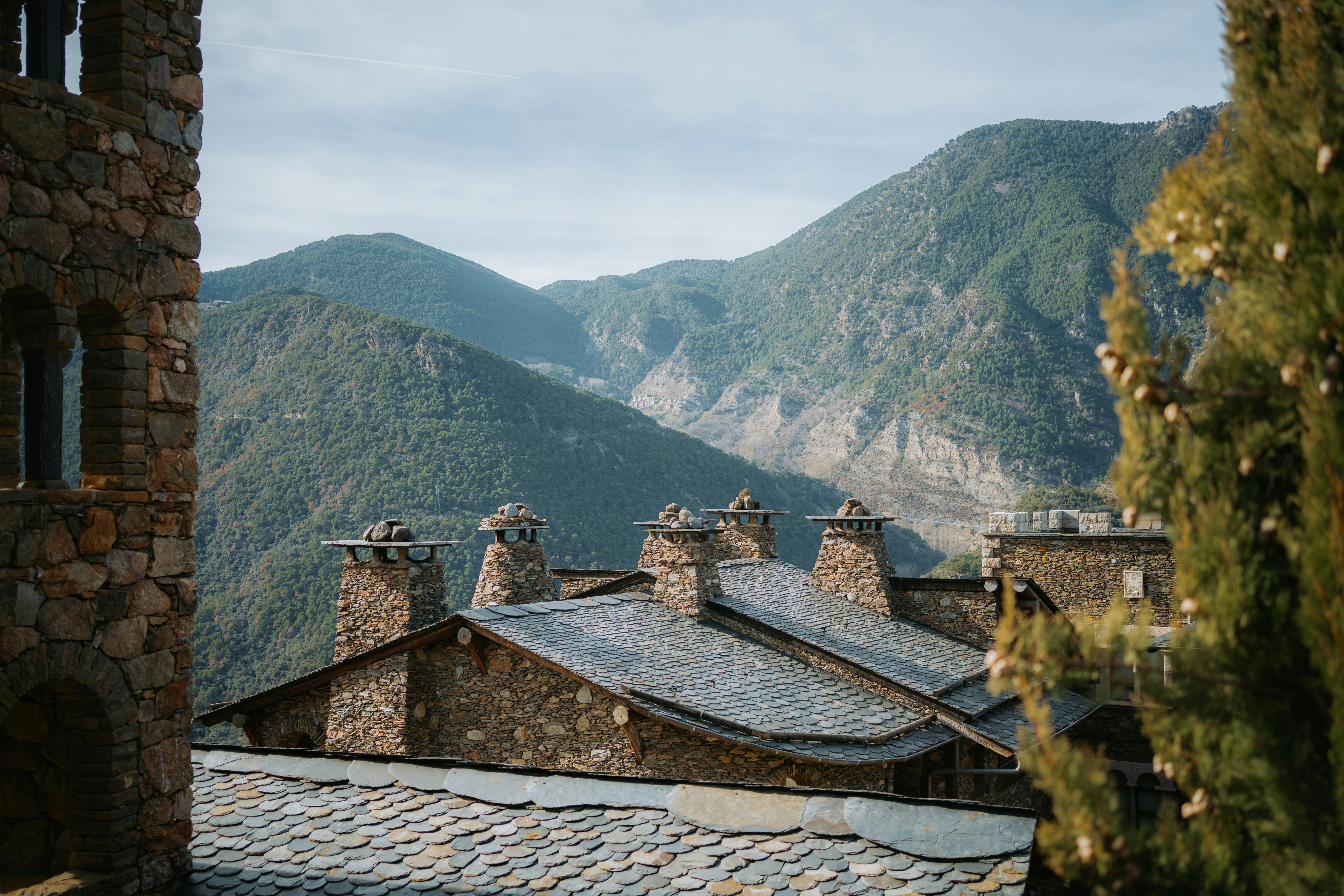
Nestled high in the Pyrenees between Spain and France, Andorra is a tiny principality that has long been an attractive destination for international residents. With its breathtaking landscapes, unique cultural identity, and favorable tax system, it's easy to see why many consider to this enchanting location. However, like any potential new home, Andorra has its advantages and disadvantages. Let's delve into the pros and cons of living in this intriguing country.
Pros of Living in Andorra
Andorra's natural beauty is undeniably one of its greatest assets. The country is a paradise for outdoor enthusiasts, with skiing, hiking, and mountain biking opportunities abound. Residents often remark on the clean air and pristine landscapes, which contribute significantly to the high quality of life. The Vallnord and Grandvalira ski resorts are world-class, offering over 300 kilometers of slopes for skiers and snowboarders of all levels.
One of the most significant advantages of living in Andorra is its tax system. The principality has one of the lowest income tax rates in Europe, with a maximum rate of just 10%. This, combined with a low corporate tax rate and no wealth tax, makes Andorra an attractive proposition for entrepreneurs and high net worth individuals. Additionally, Andorra is not part of the European Union, which means it is not subject to EU taxes and regulations, further enhancing its appeal as a tax haven.
The system in Andorra is another major draw. The country boasts a high-quality healthcare system, with modern facilities and well-trained medical professionals. Residents have access to both public and private healthcare options, with the public system offering comprehensive coverage at a reasonable cost. The Caixa Andorrana de Seguretat Social (CASS) manages the public healthcare system, ensuring that residents have access to necessary medical services.
Andorra's multicultural environment is another appealing factor. The country has a unique blend of Catalan, Spanish, and French influences, creating a rich cultural tapestry. This diversity is reflected in the local cuisine, festivals, and traditions. Expats often find it easy to integrate into the community, with many locals speaking multiple languages, including English. The in Andorra also cater to the needs of expat families, offering high-quality education in various languages.
The crime rate in Andorra is exceptionally low, making it one of the safest countries in the world. The strong sense of community and the presence of a well-respected police force contribute to this secure environment. Residents often leave their doors unlocked and feel safe walking alone at night, a testament to the country's tranquility.
Andorra's strategic location between Spain and France offers residents easy access to major European cities. Barcelona and Toulouse are both within a few hours' drive, providing opportunities for weekend getaways and cultural excursions. The principality's compact size also means that internal travel is quick and efficient, with most destinations reachable within a short drive.
The shopping scene in Andorra is another enticing aspect, with a wide range of international brands and local boutiques. The country's low tax rates make it a popular destination for duty-free shopping, with many visitors flocking to its numerous shops and malls. Residents can enjoy this shopping haven year-round, with discounts on everything from electronics to luxury goods.
Cons of Living in Andorra
While Andorra's natural beauty is a significant draw, the country's rugged terrain and high altitude can also present challenges. The winters are long and cold, with heavy snowfall that can make roads impassable. This can be particularly difficult for those unaccustomed to harsh winter conditions. Additionally, the altitude can take some getting used to, with some residents experiencing altitude sickness initially.
The in Andorra can be high, particularly when it comes to housing. real estate prices have been increasing in recent years, driven by high demand and limited supply. The scarcity of land suitable for development contributes to these high prices, making it challenging for new residents to find affordable accommodation. Additionally, the cost of imported goods can be higher than in neighboring countries due to transportation and taxation costs.
The job market in Andorra is relatively small, with limited opportunities outside of the tourism and finance sectors. For expats seeking employment, this can be a significant challenge. The country's stringent work permit requirements can also make it difficult for non-residents to secure jobs. Many expats choose to work remotely or start their own businesses to overcome these hurdles.
Andorra's small size can also lead to a sense of isolation for some residents. With a population of around 77,000, the country has a close-knit community, which can be both a pro and a con. While it's easy to make friends and become integrated into the community, some expats may find the lack of anonymity stifling. The limited cultural and entertainment options can also be a drawback, with residents often needing to travel to nearby cities for major events.
The language barrier can be another challenge for expats. While many locals speak multiple languages, the official language is Catalan. Those who do not speak Catalan may struggle with certain aspects of daily life, such as dealing with government bureaucracy or navigating the healthcare system. Learning the basics of the language can greatly enhance the expat experience.
Andorra's bureaucracy can be complex and time-consuming, with many processes requiring extensive paperwork and patience. Obtaining residency permits, opening bank accounts, and dealing with government agencies can be challenging, even for those familiar with the system. The process of becoming a resident can be particularly arduous, with strict requirements and lengthy waiting periods.
Lastly, Andorra's education system may not cater to all families' needs. While there are international schools, the options are limited, and tuition fees can be high. For families with children, this can be a significant consideration. Some expats choose to send their children to schools in neighboring countries or opt for homeschooling to overcome these challenges.
In weighing the pros and cons of living in Andorra, it's clear that this unique principality offers a wealth of opportunities and challenges. From its stunning natural beauty and favorable tax system to its high cost of living and small job market, Andorra is a country of contrasts. For those considering a move, understanding these aspects can help inform a decision that could lead to an enriching and rewarding experience in the heart of the Pyrenees.
Insider Tips from Expats in Andorra: How to Navigate the Health System
"Andorra has a public healthcare system that provides a wide range of services to its citizens and foreign residents. The quality of public healthcare in Andorra is generally considered to be good, with a wide range of medical services available. Foreign residents in Andorra are able to access the public healthcare system, although they may need to pay a fee for some services. Expats in Andorra can use the public healthcare system by registering with the local health centre and obtaining a health card. This card allows them to access the same services as citizens, although they may need to pay a fee for some services," commented one member living in Andorra.
"Emergency services in Andorra are provided by the Andorran Emergency Service (SEM). In the event of an emergency, the public can call 112 to request an ambulance. The emergency services are well-equipped and staffed with highly trained professionals who are able to respond quickly and effectively to any emergency situation. The ambulance service is free of charge and is available 24 hours a day, 7 days a week," commented one member living in Andorra.
About the Author
 Betsy Burlingame is the Founder and President of Expat Exchange and is one of the Founders of Digital Nomad Exchange. She launched Expat Exchange in 1997 as her Master's thesis project at NYU. Prior to Expat Exchange, Betsy worked at AT&T in International
and Mass Market Marketing. She graduated from Ohio Wesleyan University
with a BA in International Business and German.
Betsy Burlingame is the Founder and President of Expat Exchange and is one of the Founders of Digital Nomad Exchange. She launched Expat Exchange in 1997 as her Master's thesis project at NYU. Prior to Expat Exchange, Betsy worked at AT&T in International
and Mass Market Marketing. She graduated from Ohio Wesleyan University
with a BA in International Business and German.
Some of Betsy's articles include 12 Best Places to Live in Portugal, 7 Best Places to Live in Panama and 12 Things to Know Before Moving to the Dominican Republic. Betsy loves to travel and spend time with her family. Connect with Betsy on LinkedIn.
Additional Information: