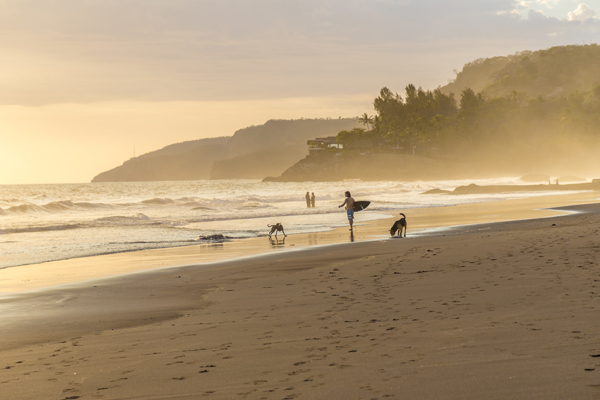
Understanding the Health System in El Salvador


Summary: Gain insight into the health care system in El Salvador. Explore its accessibility and limitations for expatriates, remote workers, retirees, and others who choose to live in El Salvador.
Embarking on the journey to buy a home in El Salvador as an expat can be both exciting and challenging. With its beautiful landscapes and rich culture, El Salvador offers a unique living experience. However, understanding the local real estate market and legal processes is crucial for a successful and hassle-free purchase. This guide will walk you through the key aspects of buying a home in El Salvador, ensuring you are well-informed every step of the way.
How Do I Find Houses for Sale in El Salvador?
Finding houses for sale in El Salvador involves several methods. Online listings on local real estate websites, international property portals, and social media groups can be a good starting point. Additionally, working with local real estate agencies can provide access to a wider range of properties. Networking with locals and other expats can also lead to valuable insights and opportunities.
Are There Restrictions on Foreigners Owning Property in El Salvador?
El Salvador generally welcomes foreign property ownership, but there are some restrictions to be aware of. Foreigners are not allowed to own land within 100 meters of the coastline or on certain islands. However, these restrictions can be legally circumvented by setting up a corporation or trust, which can then purchase the property. It is advisable to consult with a legal professional to navigate these regulations.
Does El Salvador Have an MLS Type System?
El Salvador does not have a centralized Multiple Listing Service (MLS) system like those found in some other countries. Real estate listings are often managed independently by agencies and property owners. This means that buyers may need to explore various sources to find all available properties. Working with a reputable real estate agent can help streamline this process.
Do Brokers Have Licenses and How Do I Know If They Are Licensed?
In El Salvador, real estate brokers are not required to have a license, but many choose to obtain certification to enhance their credibility. To verify if a broker is certified, you can ask for their credentials or check with local real estate associations. It is essential to work with a broker who has a good reputation and positive references from previous clients.
What Documents Are Required When Buying a Home?
When buying a home in El Salvador, several documents are required. These typically include a valid passport, a local tax identification number (NIT), a power of attorney if you are not present for the transaction, a sales agreement, and proof of funds. Additionally, you may need to provide a certified copy of the property deed, a property tax certificate, and a municipal zoning certificate. It is crucial to ensure all documents are in order to avoid delays or legal issues.
Do I Need a Lawyer When Buying a Home in El Salvador?
It is highly recommended to hire a lawyer when buying a home in El Salvador. A lawyer can guide you through the legal process, conduct a title search to ensure the property is free of encumbrances, and draft or review the sales agreement. Legal fees can vary, but they typically range from 1% to 2% of the property value. Hiring a lawyer provides an extra layer of security and peace of mind during the transaction.
Do People Typically Buy a Property with All Cash or Take Out a Mortgage?
In El Salvador, both cash purchases and mortgages are common. However, mortgages may be more challenging for foreigners to obtain due to stricter lending criteria. Local banks offer mortgage options, but interest rates and terms can vary widely. It is essential to explore different financing options and understand the associated costs and requirements.
Are There Inspections That Take Place, and If So, What Is That Process Like?
Property inspections in El Salvador are not mandatory but are highly recommended. Buyers can hire a professional inspector to assess the condition of the property, including structural integrity, electrical systems, and plumbing. The process typically involves a visual inspection and a written report outlining any issues or concerns. Working with a reputable inspector ensures a thorough assessment of the property.
What Are Some of the Pitfalls to Avoid When Buying Property in El Salvador?
When buying property in El Salvador, it is important to be aware of potential pitfalls. These include title issues, hidden defects, and legal complications. Conducting a thorough title search, hiring a competent lawyer, and obtaining a professional inspection can help mitigate these risks. Additionally, be cautious of deals that seem too good to be true and always verify the credibility of the seller and any intermediaries involved in the transaction.
Insider Tips from Expats in El Salvador: How to Navigate the Health System
"Healthcare services in El Salvador are provided by both public and private institutions. The public system is managed by the Ministry of Health and Social Welfare and is funded by the government. The quality of public healthcare in El Salvador is generally considered to be below average, with limited access to specialized care and a lack of resources. Foreign residents do have access to the public healthcare system, but they are not eligible for the same benefits as Salvadoran citizens. Expats in El Salvador typically use private healthcare services, as they are more reliable and offer better quality care. However, some expats may use the public healthcare system if they are unable to afford private care," commented one member living in El Salvador.
"Emergency services in El Salvador are available 24 hours a day, 7 days a week. To call for an ambulance, you can dial 911 or the local emergency number, 132. Ambulances are typically staffed with a driver and a paramedic, and are equipped with basic medical supplies. In some cases, the ambulance may also be accompanied by a doctor," commented one member living in El Salvador.
About the Author
 Betsy Burlingame is the Founder and President of Expat Exchange and is one of the Founders of Digital Nomad Exchange. She launched Expat Exchange in 1997 as her Master's thesis project at NYU. Prior to Expat Exchange, Betsy worked at AT&T in International
and Mass Market Marketing. She graduated from Ohio Wesleyan University
with a BA in International Business and German.
Betsy Burlingame is the Founder and President of Expat Exchange and is one of the Founders of Digital Nomad Exchange. She launched Expat Exchange in 1997 as her Master's thesis project at NYU. Prior to Expat Exchange, Betsy worked at AT&T in International
and Mass Market Marketing. She graduated from Ohio Wesleyan University
with a BA in International Business and German.
Some of Betsy's articles include 12 Best Places to Live in Portugal, 7 Best Places to Live in Panama and 12 Things to Know Before Moving to the Dominican Republic. Betsy loves to travel and spend time with her family. Connect with Betsy on LinkedIn.
Additional Information:
- El Salvador Guide
- Healthcare & Health Insurance in El Salvador
- Members Talk about Healthcare & Health Insurance in El Salvador
- Best Places to Live in El Salvador
- Real Estate in El Salvador
- Guide to Real Estate in El Salvador
- Pros & Cons of Living in El Salvador
- Cost of Living in El Salvador
- Dengue Virus in El Salvador
- Culture Shock in El Salvador
- Homeschooling in El Salvador
- How to Enroll Your Children in School in El Salvador
- 2026 Guide to Living in El Salvador
- Pros and Cons of Living in El Salvador 2026