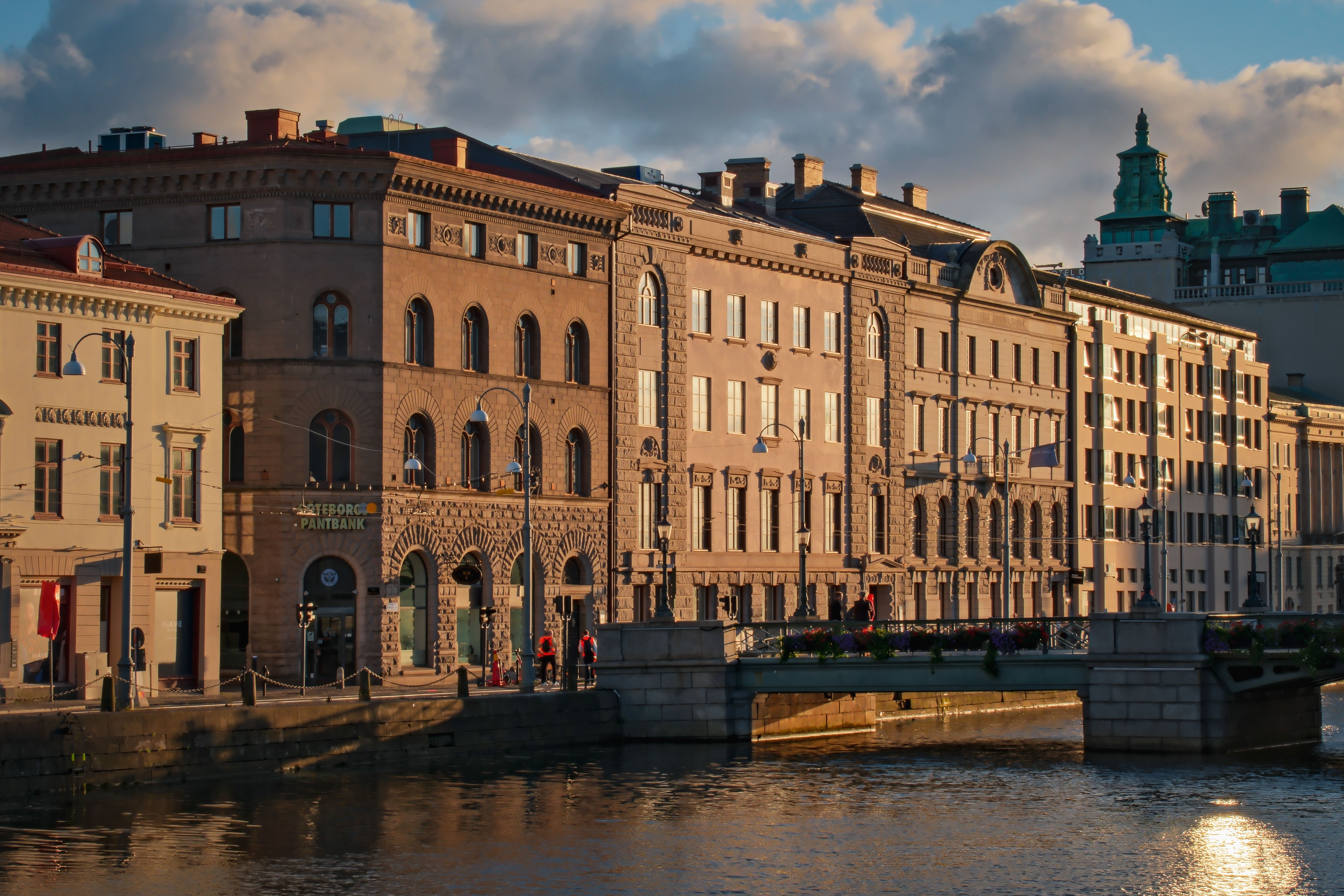
Cost of Living in Gothenburg


Summary: If you're moving to Gothenburg, understanding the the cost of living in Gothenburg helps you know what to expect when it comes to apartment or house hunting, grocery shopping, transportation, dining out, utilities and more.
| Apartment Rentals | The average cost of renting an apartment in Gothenburg is around 8,000 SEK (Swedish Krona) per month. This can vary depending on the size and location of the apartment. |
| Apartment Purchases | The average cost of purchasing an apartment in Gothenburg is around 25,000 SEK per square meter. This can vary depending on the size and location of the apartment. |
| Transportation | Public transportation in Gothenburg is relatively inexpensive. A single ticket costs around 30 SEK and a monthly pass costs around 730 SEK. |
| Groceries | The cost of groceries in Gothenburg is relatively inexpensive. A loaf of bread costs around 20 SEK, a liter of milk costs around 15 SEK, and a dozen eggs costs around 25 SEK. |
| Restaurants | The cost of eating out in Gothenburg varies depending on the type of restaurant. A meal at a fast food restaurant costs around 50 SEK, while a meal at a mid-range restaurant costs around 150 SEK. |
| Utilities | The cost of utilities in Gothenburg is relatively inexpensive. The average cost of electricity, water, and heating is around 1,500 SEK per month. |
| Private School Tuition | The cost of private school tuition in Gothenburg varies depending on the school. The average cost of preschool tuition is around 10,000 SEK per year, elementary school tuition is around 15,000 SEK per year, middle school tuition is around 20,000 SEK per year, and high school tuition is around 25,000 SEK per year. |
Can I live in Gothenburg on $1,500 a month?
"I've been living in Gothenburg for a while now, and I can tell you that it's possible to live on $1,500 a month, but you'll have to make some sacrifices. First, you'll need to find a place to live that's affordable. I'd recommend looking for a room in a shared apartment, as it's usually cheaper than renting a whole apartment by yourself. Some affordable neighborhoods to consider are Majorna, Kungsladugård, and Gamlestaden. These areas are a bit further from the city center, but they have good public transportation connections, so you won't have any trouble getting around.On the other hand, I'd avoid neighborhoods like Linnéstaden, Haga, and Vasastan, as they tend to be more expensive. When it comes to groceries, you'll need to be smart about where you shop. I usually go to discount supermarkets like Willys or Lidl, where you can find good deals on food. Eating out can be quite expensive in Gothenburg, so I'd recommend cooking at home most of the time. If you do want to eat out, there are some affordable options like kebab shops and pizzerias, but you'll have to limit how often you go.As for transportation, I'd recommend getting a monthly public transportation pass, which costs around $90. This will give you unlimited access to buses, trams, and ferries within the city. If you have a bike, that's even better, as Gothenburg is a very bike-friendly city and you can save on transportation costs.When it comes to entertainment and leisure activities, you'll have to be selective. There are plenty of free or low-cost events and activities in the city, like outdoor concerts, festivals, and museums with free admission days. However, you'll probably have to skip more expensive activities like going to the movies or attending concerts with high ticket prices.In summary, living on $1,500 a month in Gothenburg is doable, but you'll have to be mindful of your spending and make some sacrifices. By choosing an affordable neighborhood, shopping smartly for groceries, and being selective with your leisure activities, you can make it work," commented an expat living in Gothenburg.
Can I live in Gothenburg on $3,500 a month?
"I've been living in Gothenburg for a few years now, and I can tell you that it's possible to live comfortably on $3,000 a month, but you'll need to make some adjustments and sacrifices. First, you'll need to find a reasonably priced apartment. Some of the more affordable neighborhoods to consider are Majorna, Kungsladugård, and Gamlestaden. These areas have a mix of older and newer buildings, and you can find a decent one or two-bedroom apartment for around $800 to $1,200 a month. I would avoid more expensive neighborhoods like Linnéstaden, Haga, and Vasastan, as the rents there can be quite high.Next, you'll need to be mindful of your transportation costs. Public transportation in Gothenburg is excellent, and a monthly pass costs around $90. If you live close to your workplace, you can save money by walking or biking. Owning a car can be expensive due to high gas prices, parking fees, and insurance costs, so I'd recommend avoiding that if possible.When it comes to groceries and eating out, you'll need to be budget-conscious. Groceries can be quite expensive in Sweden, but if you shop at discount stores like Willys or Lidl, you can save a significant amount. Cooking at home most of the time will help you save money, as eating out can be pricey. However, there are some affordable options like kebab shops and pizzerias where you can grab a meal for around $10.Entertainment and leisure activities can also add up, so you'll need to prioritize and find affordable options. There are plenty of free or low-cost activities in Gothenburg, like visiting parks, museums with free admission, and attending local events. If you enjoy going out for drinks, be prepared for high alcohol prices, especially at bars and restaurants. You can save money by having a few drinks at home before going out or by visiting bars during happy hour.In summary, living comfortably on $3,000 a month in Gothenburg is possible, but you'll need to be mindful of your spending and make some sacrifices. By choosing an affordable neighborhood, using public transportation, cooking at home, and finding low-cost entertainment options, you can make it work," said one expat living in Gothenburg.
Can I live in Gothenburg on $5,000 a month?
"I've been living in Gothenburg for a few years now, and I can tell you that it's definitely possible to live comfortably on $5,000 a month, even with modern amenities. However, you might have to make some sacrifices in terms of location and housing size. First, let's talk about housing. If you want to live in a more affordable neighborhood, I'd recommend looking into areas like Majorna, Kungsladugård, or Högsbo. These neighborhoods are a bit further from the city center, but they're still well-connected by public transportation, and you can find some nice apartments for a reasonable price. On the other hand, if you're looking for something more upscale, you might want to consider neighborhoods like Linnéstaden, Haga, or Vasastan. These areas are closer to the city center and have a more vibrant atmosphere, but the rent prices can be quite high.As for other expenses, groceries and eating out can be a bit pricey in Sweden, so you might want to cook at home more often to save some money. Public transportation is quite efficient and affordable, so you might not need a car, which can save you a lot on gas and parking fees. In terms of entertainment and leisure, there are plenty of free or low-cost activities to do in Gothenburg, like visiting parks, museums, or attending cultural events. However, if you're into more high-end experiences like fine dining or attending concerts and shows, you might have to cut back on those a bit to stay within your budget.Overall, I think it's definitely possible to live comfortably in Gothenburg on $5,000 a month, but you'll have to be mindful of your spending and make some compromises in terms of housing and lifestyle choices," commented an expat living in Gothenburg.
About the Author
 Joshua Wood, LPC joined Expat Exchange in 2000 and serves as one of its Co-Presidents. He is also one of the Founders of Digital Nomad Exchange. Prior to Expat Exchange, Joshua worked for NBC Cable (MSNBC and CNBC
Primetime). Joshua has a BA from Syracuse and a Master's in Clinical and Counseling Psychology from Fairleigh Dickinson University. Mr. Wood is also a licensed counselor and psychotherapist.
Joshua Wood, LPC joined Expat Exchange in 2000 and serves as one of its Co-Presidents. He is also one of the Founders of Digital Nomad Exchange. Prior to Expat Exchange, Joshua worked for NBC Cable (MSNBC and CNBC
Primetime). Joshua has a BA from Syracuse and a Master's in Clinical and Counseling Psychology from Fairleigh Dickinson University. Mr. Wood is also a licensed counselor and psychotherapist.
Some of Joshua's articles include Pros and Cons of Living in Portugal, 10 Best Places to Live in Ireland and Pros and Cons of Living in Uruguay. Connect with Joshua on LinkedIn.
Additional Information: