The UK
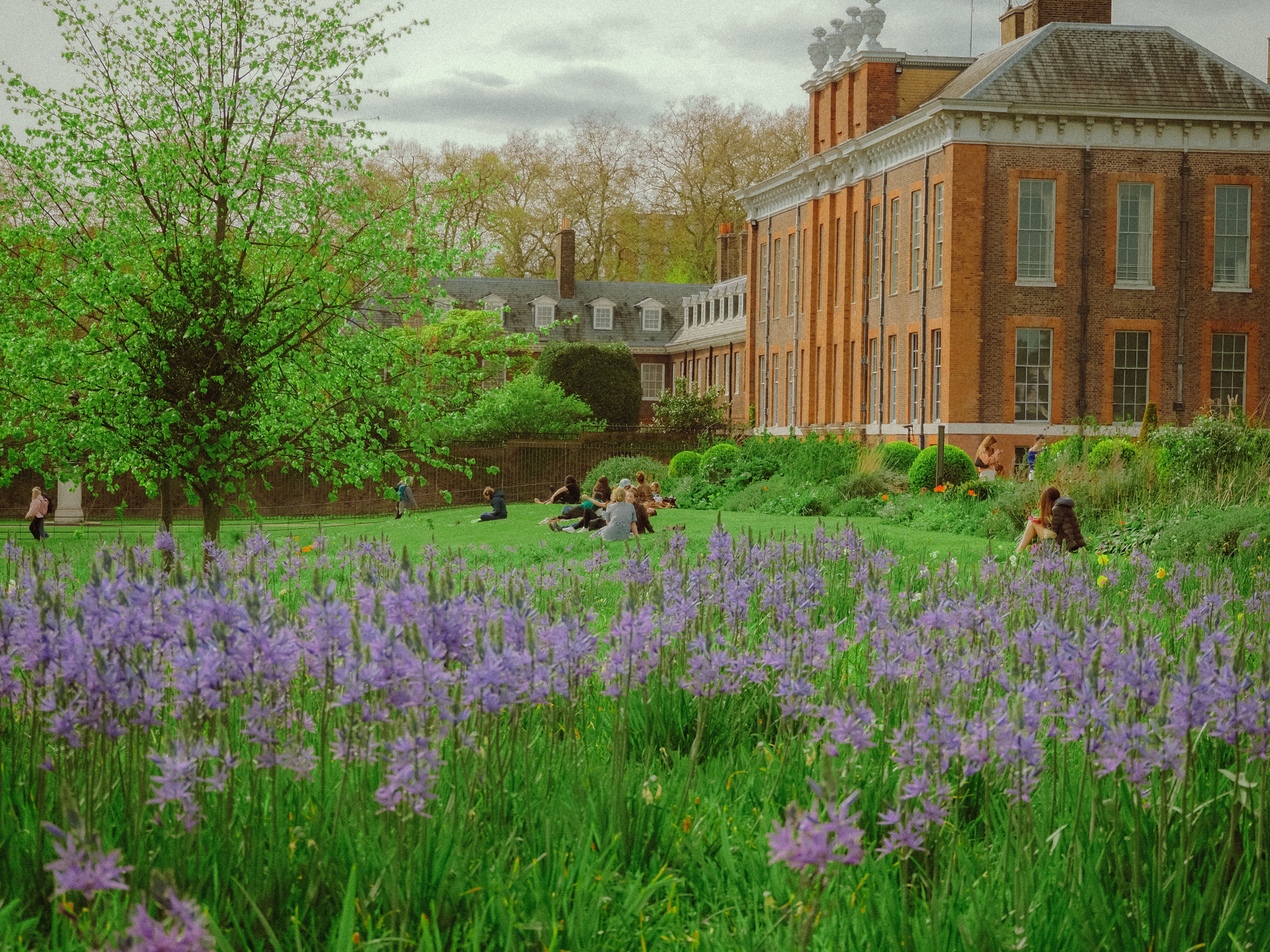
Coastal BeachesThe United Kingdom comprises England, Scotland, Wales, and Northern Ireland, located off the northwest coast of continental Europe. It is a highly developed nation with a rich history spanning centuries, blending medieval heritage with modern innovation. The UK has a strong service-based economy centered in London, one of the world's leading financial hubs, alongside manufacturing and creative industries. British culture is known for its traditions, literature, music, and cuisine, with significant regional variations across its constituent countries. The society is multicultural and diverse, particularly in major cities like London, Manchester, and Birmingham. Life in the UK offers excellent healthcare through the NHS, quality education, and strong infrastructure, though it can be expensive, especially in the southeast.
 Professional Property Finders
Get Quote
This is a personal property finding service. I team up with a buyer and help you find the perfect property for your needs. I am your man on the ground and expert in the market. Whatever is important to you will be my mission to bring you what you want without all the stress whilst guiding and protecting you in the process.
Professional Property FindersThis is a personal property finding service. I team up with a buyer and help you find the perfect property for your needs. I am your man on the ground and expert in the market. Whatever is important to you will be my mission to bring you what you want without all the stress whilst guiding and protecting you in the process.
Get Quote









Podcasts

Episode 6: Jake Barber - Expat Finance Expert and Lifelong Expat



Episode 8: Jake Barber - The Expat Finance Expert Returns
Living in UK
Best Places to Live in UK
Visa & Residency
The process of obtaining a residency in the UK varies depending on the type of visa applied for. The Tier 2 (General) Visa is a common route for expats who have been offered a skilled job in the UK. To obtain this visa, an individual must have a job offer from a licensed sponsor, a certificate of sponsorship from their employer, and meet the English language requirement. The application involves preparing various documents, including proof of knowledge of English, bank statements to show you have enough money to support yourself, and a valid passport. The process can be complex and time-consuming, often requiring legal advice. Another popular option for Commonwealth citizens with at least one grandparent born in the UK is the UK Ancestry Visa. This visa allows individuals to work and live in the UK for five years, after which they can apply for indefinite leave to remain. Applicants must prove their relationship to their UK-born grandparent and their ability to work and support themselves in the UK. For digital nomads, the Standard Visitor visa is an option, although it does not allow for long-term residency. It is suitable for those who wish to visit the UK for business-related activities, such as conferences and meetings, for up to 6 months. However, this visa does not permit formal employment or extensive business activities in the UK. The difficulty of the visa process can vary greatly. It is considered average difficulty, but it can be challenging due to the strict requirements and thorough checks on documentation. Applicants must ensure that they meet all the criteria and provide accurate information to avoid delays or rejections. The processing time for visas can also vary, with some visas taking weeks or even months to be processed. It is advisable to start the application process well in advance of the intended travel date and to consult the official UK government website or seek professional advice for the most current information and guidance.
Healthcare in UK
The healthcare system in the UK is a mix of public and private services. The National Health Service (NHS) is the publicly funded healthcare system, which provides healthcare to all UK permanent residents that is free at the point of use, funded by general taxation. The NHS covers everything from general practitioner (GP) visits to emergency treatment, long-term healthcare, and dentistry. Private healthcare is also available and is used by some who prefer quicker access to treatment and more luxurious hospital stays. The quality of healthcare in the UK is generally high, with well-trained medical staff and good facilities. However, the system faces challenges such as long waiting times for certain treatments and budget constraints. Expats and digital nomads can access public healthcare if they are considered residents in the UK and make National Insurance contributions; otherwise, they should ensure they have private health insurance.
Cost of Living
The UK has a high cost of living, particularly in London and the southeast where property prices are among the world's most expensive. Average house prices in London exceed £500,000, while outside major cities they range from £250,000-£400,000. Rental costs in London average £1,500-£2,500 monthly for a one-bedroom apartment, with lower costs in regional cities. Daily expenses including groceries, transport, and utilities are moderate to high compared to many countries, though lower than Switzerland or Scandinavia.
Weather
The UK experiences a temperate maritime climate with mild winters and cool summers, rarely reaching extreme temperatures. Rainfall is frequent and distributed throughout the year, with autumn and winter typically being wetter. Seasonal variation is moderate; winters average 2-7°C (36-45°F) while summers reach 15-20°C (59-68°F). Daylight hours vary significantly, with long summer days and short winter days, particularly in Scotland.
Educational System in UK
The educational system in the UK is renowned for its quality and is structured into stages: early years, primary education, secondary education, and further education. Children typically start school in the September after they turn four, beginning with the Early Years Foundation Stage, which includes nursery and reception years. At age five, children enter primary education which lasts until they are eleven. This phase includes Key Stages 1 and 2, where they take SATs tests to assess their progress. Secondary education starts at age 11 and goes up to 16, comprising Key Stages 3 and 4. Students take their General Certificate of Secondary Education (GCSE) exams at the end of Key Stage 4. Post-16 education, often referred to as sixth form or college, offers A-Levels, vocational qualifications, and apprenticeships. Students typically finish this stage at 18, with A-Level results facilitating entry into higher education. The UK education system is compulsory until age 18, with a strong emphasis on developing a broad range of skills and preparing students for higher education and employment.
Living in UK
Healthcare in UK
Best Places to Live in UK
Moving to UK