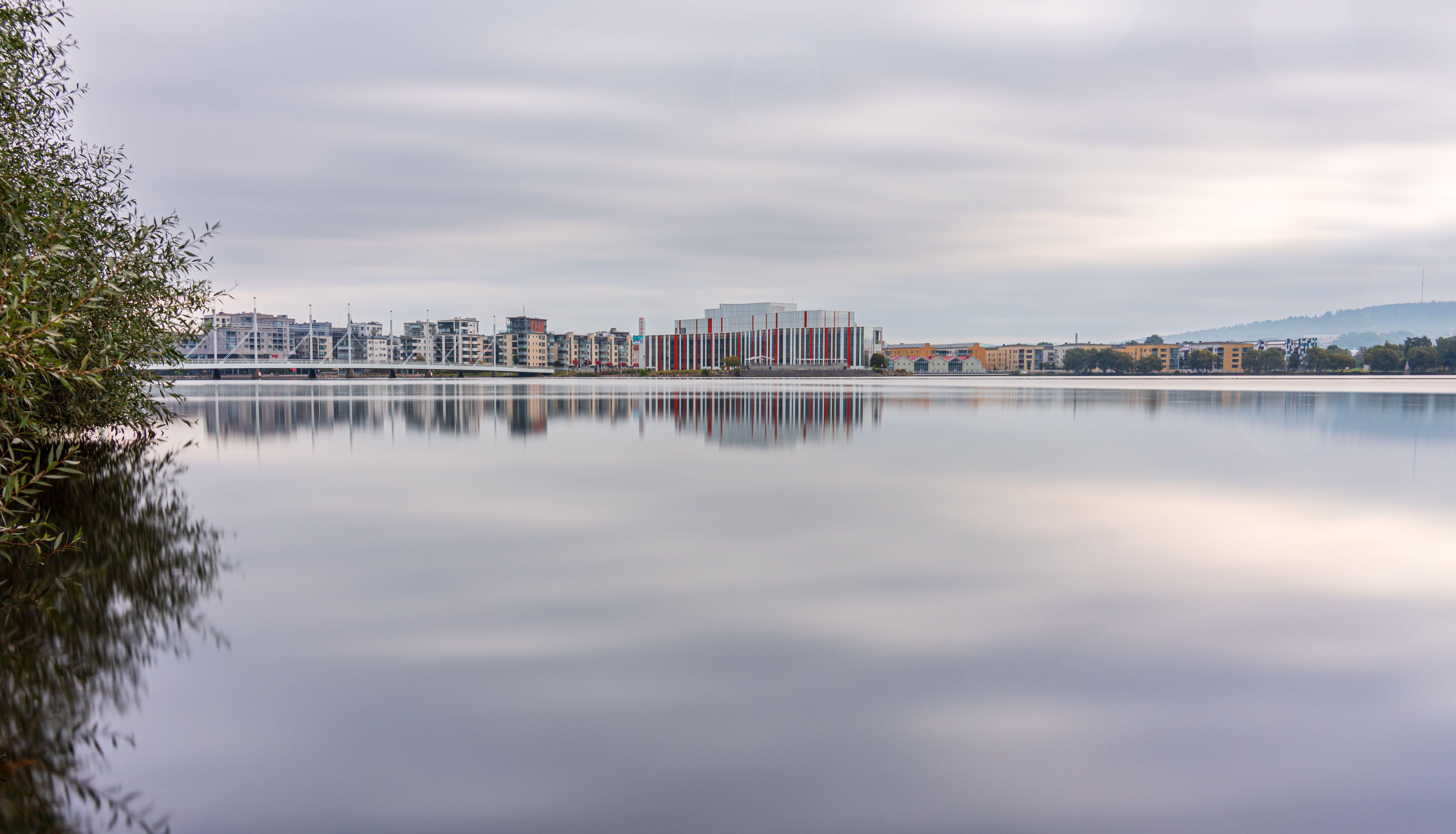
Sweden
Coastal BeachesSweden is a Nordic country in Northern Europe, known for its stunning natural landscapes, progressive society, and high quality of life. The country spans a large territory with diverse geography ranging from dense forests and thousands of lakes to archipelagos along both the Baltic Sea and North Sea coasts. Swedish culture emphasizes equality, sustainability, and work-life balance, with a strong tradition of design, innovation, and social welfare. The economy is highly developed and diversified, with major sectors including technology, manufacturing, forestry, and renewable energy. Sweden consistently ranks among the world's happiest and most livable countries, attracting expatriates with its excellent healthcare, education system, and safe communities. Life in Sweden is generally orderly and efficient, though it can be reserved socially and quite expensive compared to many other nations.
 AGS Worldwide Movers
Get Quote
Relocating abroad soon? Make your move with AGS! AGS Worldwide Movers is a leader in the international moving industry. Our experience and expertise allows us to guarantee our clients the best quality moving services.
AGS Worldwide MoversRelocating abroad soon? Make your move with AGS! AGS Worldwide Movers is a leader in the international moving industry. Our experience and expertise allows us to guarantee our clients the best quality moving services.
Get Quote


Podcasts

Episode 6: Jake Barber - Expat Finance Expert and Lifelong Expat



Episode 8: Jake Barber - The Expat Finance Expert Returns
Living in Sweden
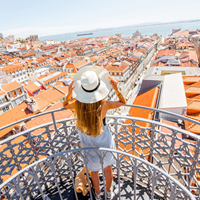
Best Places to Live in Sweden
Visa & Residency
Obtaining a residency in Sweden involves several steps and can vary depending on the individual's circumstances and the type of visa they are applying for. The most common types of residency visas include work permits, study permits, and family reunification visas. For non-EU citizens, the process typically starts with securing a job or a place in a Swedish educational institution. Once an offer of employment or admission to study is received, the individual can apply for a residence permit through the Swedish Migration Agency, Migrationsverket. For a work permit, the employer in Sweden initiates the process by offering a job and proving that they have advertised the position within the EU/EEA for at least ten days. The employee must then submit an application with documents such as a valid passport, the employment offer, and evidence of sufficient qualifications for the job. The processing time can vary, but it generally takes about 1-3 months. Students must have been admitted to full-time studies and show proof of financial self-sufficiency and health insurance to be granted a residence permit for studies. This process also typically takes 1-3 months. Family reunification visas require proof of a genuine relationship and that the person living in Sweden can support their family member and provide adequate living accommodations. For digital nomads, the standard visitor visa allows them to stay for up to 90 days. However, Sweden does not currently offer a specific digital nomad visa. Those wishing to stay longer would need to apply for a different type of residence permit that aligns with their situation, such as self-employment. The difficulty of the process can be considered average, but it requires careful attention to detail and complete documentation. The Swedish Migration Agency's website provides comprehensive information and is the primary resource for applications and inquiries. It is important to start the application process well in advance of the intended move date due to processing times and potential additional documentation requests.
Healthcare in Sweden
The healthcare system in Sweden is known for its high quality and is predominantly publicly funded through taxes, managed by the regional councils and municipalities. Public healthcare is available to all residents, including expats and digital nomads who have registered with the Swedish Tax Agency and have a personal identity number (personnummer). Once registered, they gain access to healthcare services at the same cost as Swedish citizens. Private healthcare exists but is less common, and it often works in conjunction with the public system to provide more immediate or specialized services. The cost for public healthcare is capped annually, with visits to doctors and hospital stays requiring small fees up to the cap, after which services are free. Private healthcare costs are typically higher and paid out-of-pocket or through private insurance. The quality of both public and private healthcare in Sweden is generally high, with a strong emphasis on preventative care and accessibility.
Cost of Living
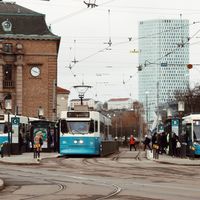
Sweden has a high cost of living, particularly in major cities like Stockholm, Gothenburg, and Malmö. Rental prices for a one-bedroom apartment in city centers typically range from 8,000-15,000 SEK (€675-1,275) monthly, while property purchases average 60,000-100,000 SEK per square meter (€5,100-8,500) in urban areas. Daily expenses including groceries, dining, and transportation are notably expensive compared to most European countries, though salaries are correspondingly higher. Outside major cities, costs decrease moderately, but Sweden remains among Europe's pricier destinations overall.
Weather
Sweden experiences significant seasonal variation, with long, dark winters in the north and milder winters in the south. Summer months (June-August) feature extended daylight hours and pleasant temperatures ranging from 15-25°C (59-77°F), while winters are cold with temperatures often dropping below freezing, particularly in northern regions. The northern parts experience the midnight sun in summer and polar night in winter, creating dramatic seasonal light changes. Precipitation is moderate year-round, with snow common in winter months across most of the country.
Educational System in Sweden
The educational system in Sweden is known for its inclusive and equitable approach, designed to ensure that every child has access to education regardless of their background. Education is compulsory for children between the ages of 6 and 16. The system is divided into several stages: förskola (preschool), lågstadiet (grades 1-3), mellanstadiet (grades 4-6), högstadiet (grades 7-9), and gymnasieskola (upper secondary school, grades 10-12). Preschool is available from the age of one and is focused on play and socialization. At the age of six, children begin their formal education in förskoleklass, which is a transition year before starting lågstadiet. The curriculum includes languages, mathematics, science, social studies, arts, physical education, and technology. After completing grade 9, students receive a leaving certificate that allows them to proceed to upper secondary school, where they can choose between various programs that are either academic or vocational. These programs last for three years and prepare students for higher education or employment. Swedish education emphasizes student well-being, critical thinking, and group work. Schools often provide free meals, healthcare, and counseling services. The school year runs from mid-August to early June, with breaks in between. Education in Sweden is free, including textbooks and school meals.
Living in Sweden
Healthcare in Sweden
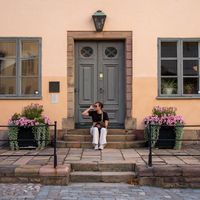
Best Places to Live in Sweden
Moving to Sweden