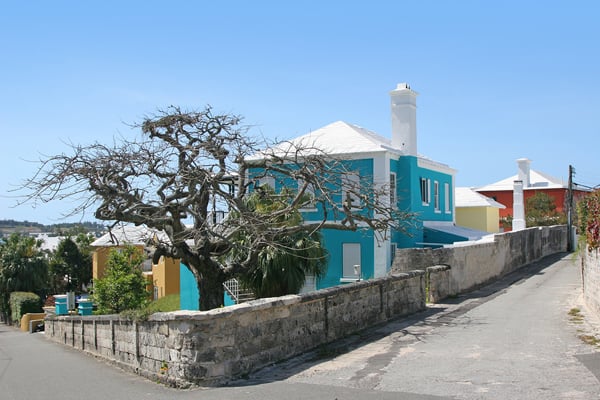
Bermuda
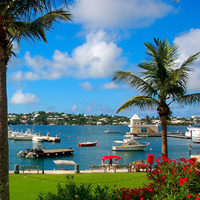
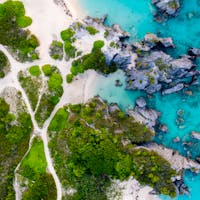
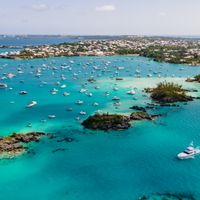
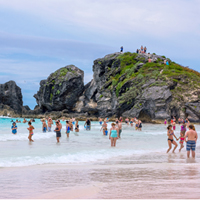
Coastal BeachesBermuda is a British Overseas Territory located in the North Atlantic Ocean, approximately 650 miles east of North Carolina. This small island nation consists of a main island and several smaller islands, known for its distinctive pink-sand beaches and turquoise waters. The culture blends British colonial heritage with Caribbean influences, creating a unique island lifestyle. Bermuda has a prosperous economy heavily based on international business, insurance, and tourism, making it one of the wealthiest places in the world per capita. The population is approximately 64,000 people, creating a tight-knit, cosmopolitan community. Life in Bermuda is generally relaxed and outdoor-oriented, with strong emphasis on maritime activities and a high standard of living.
 SJB Global
Connect
SJB-Global is a top-rated financial advisory firm specializing in expat financial advice worldwide, offering retirement planning & tax-efficient solutions with a regressive fee model. Our clients benefit from their country’s most favorable tax environment by utilizing the efficient investment vehicles we offer. Our commitment to quality service is reflected in our stellar reviews, with over 300 testimonials boasting 95% five-star ratings.
Click connect to have our partner contact you via e-mail and/or phone.
SJB GlobalSJB-Global is a top-rated financial advisory firm specializing in expat financial advice worldwide, offering retirement planning & tax-efficient solutions with a regressive fee model. Our clients benefit from their country’s most favorable tax environment by utilizing the efficient investment vehicles we offer. Our commitment to quality service is reflected in our stellar reviews, with over 300 testimonials boasting 95% five-star ratings.
Connect
Click connect to have our partner contact you via e-mail and/or phone.
Podcasts

Episode 8: Jake Barber - The Expat Finance Expert Returns



Episode 6: Jake Barber - Expat Finance Expert and Lifelong Expat
Living in Bermuda
Best Places to Live in Bermuda
Visa & Residency
Obtaining a residency in Bermuda involves several steps and can be considered an average challenge compared to other countries. The most common way for expats to gain residency is through obtaining a Work Permit, which requires a job offer from a Bermuda employer. The employer must demonstrate that the position could not be filled by a local by advertising the job locally. Work Permits are granted for a specific period, usually one to five years, and can be renewed. Another option for expats is to apply for a Permanent Resident Certificate (PRC), which allows them to reside indefinitely in Bermuda. However, obtaining a PRC is more challenging and is typically available to those who have been legally resident in Bermuda for at least 20 years. For high net worth individuals, there is an option to obtain residency through an investment in the country, such as purchasing real estate, under the Residential Certificate policy. This process is expensive and requires the individual to demonstrate substantial annual income or have substantial assets. The process for obtaining a Work Permit involves submitting various documents, including a completed application form, a passport-sized photo, a copy of the information pages of the applicant's passport, proof of qualifications, job description, police certificate, and a chest x-ray and medical certificate. The employer is responsible for the application and must also provide a letter of employment. The Bermuda and Protection Act governs the issuance of work permits and the Department of Immigration oversees the process. It is important to note that Bermuda does not currently offer a specific visa for digital nomads. However, digital nomads who wish to work remotely from Bermuda can apply for a Work Permit, provided they have a contract with a company that allows remote work. The duration of their stay would depend on the specific terms of the work permit issued. Overall, the process of obtaining a residency visa in Bermuda requires careful planning and adherence to the specific requirements set out by the Bermuda government. It is advisable for potential expats to consult with the Department of Immigration or a legal professional specializing in Bermuda immigration law to navigate the process.
Healthcare in Bermuda
Bermuda's healthcare system is a blend of public and private services, ensuring that residents have access to comprehensive medical care. The island has one main hospital, King Edward VII Memorial Hospital, which provides a range of services from emergency care to specialized treatments. There are also numerous private clinics and practices that offer medical services. The quality of healthcare in Bermuda is generally considered to be good, with well-trained medical professionals and modern facilities. However, the cost of healthcare is high, both for public and private services, which can be a burden for some residents. health insurance is strongly recommended to help mitigate these costs. Expats and digital nomads can access public healthcare once they have obtained a government-issued health insurance plan, which is mandatory for all non-tourist residents. They can also opt for private healthcare services, which might offer quicker access to specialists and more personalized care.
Cost of Living
Bermuda has one of the highest costs of living in the world, comparable to major financial centers like London and New York. Residential property is extremely expensive, with home prices often exceeding $1 million USD even for modest properties, and rental costs for a one-bedroom apartment in central areas ranging from $1,500-$2,500+ USD monthly. Daily expenses including groceries, dining, and utilities are significantly above North American and European averages due to the island's remote location and import-dependent economy.
Weather
Bermuda experiences a subtropical climate with mild winters and warm summers. The island receives rainfall throughout the year, with the wettest months typically being September through November during Atlantic hurricane season. Summer temperatures average around 80-85°F (27-29°C), while winter temperatures range from 60-65°F (15-18°C). The island enjoys approximately 240 days of sunshine annually, making it generally pleasant year-round.
Educational System in Bermuda
The educational system in Bermuda is structured to provide a range of learning opportunities for children from preschool through to high school and beyond. Education is compulsory for children between the ages of 5 and 16. The system is influenced by the British educational framework, reflecting Bermuda's historical connection with the United Kingdom. Children typically start their education at the preschool level at age 4. Primary education begins at age 5 and continues until age 11, spanning from Primary 1 to Primary 6. Following primary school, students move on to middle school, which caters to students from age 11 to 14, covering M1 to M3. The next stage is senior school, which serves students from age 14 to 16 or 18, depending on whether they pursue further education after obtaining their General Certificate of Secondary Education (GCSE) or equivalent qualifications. Bermuda's education system includes both public and private schools. Public schools are funded by the government and do not charge tuition fees, while private schools are independently funded and do charge tuition. The curriculum in public schools is standardized and includes subjects such as English, mathematics, science, social studies, and physical education. Private schools may offer a more diverse curriculum, often including international programs such as the International Baccalaureate (IB). After completing secondary education, students can choose to attend Bermuda College, which offers associate degrees, certificate programs, and continuing education courses. Alternatively, students may opt to study abroad, typically in the United States, Canada, or the United Kingdom, for higher education opportunities. The quality of education in Bermuda is generally considered to be good, with a strong emphasis on preparing students for higher education and the global job market. The government of Bermuda is committed to improving educational standards and outcomes, investing in teacher training, infrastructure, and curriculum development
Living in Bermuda
Healthcare in Bermuda
Best Places to Live in Bermuda
Moving to Bermuda