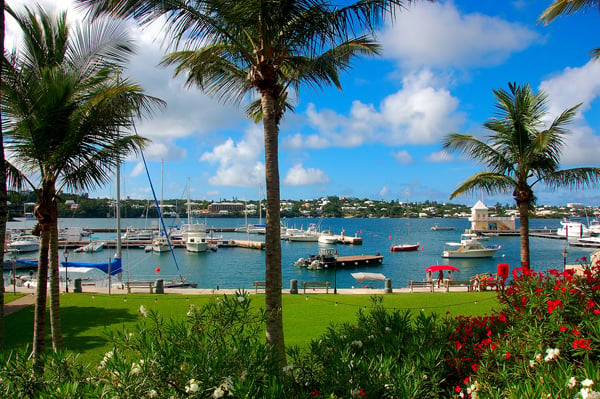
10 Cultural Faux Pas to Avoid While Living in Bermuda


Summary: Digital nomads should avoid making these 10 Cultural Faux Pas while living in Bermuda.
Moving to a new country can be exciting and challenging, especially when it comes to understanding and adapting to new cultural norms. Bermuda, with its unique blend of British, American, and Caribbean influences, is no exception. Here are ten tips to help expats avoid cultural faux pas and integrate smoothly into Bermudian life.
1. Understand the Importance of Punctuality
Bermudians value punctuality, especially in business settings. Being late can be seen as disrespectful. Make sure to arrive on time for meetings and social events. If you're invited to a Bermudian home, it's customary to arrive a few minutes late, but no more than 15 minutes.
2. Dress Appropriately
Bermuda is known for its unique business attire, with Bermuda shorts and knee-high socks being acceptable in many workplaces. However, it's important to dress modestly in public. Beachwear should be confined to the beach. For example, it's frowned upon to enter a store or restaurant dressed only in a swimsuit.
3. Respect Personal Space
Bermudians tend to maintain a certain degree of personal space. It's customary to shake hands upon meeting someone, but greetings do not typically involve close physical contact. Respect this personal space, especially when interacting with strangers or new acquaintances.
4. Mind Your Table Manners
Table manners in Bermuda are generally formal. It's considered rude to start eating before everyone is served. Also, it's good etiquette to keep your elbows off the table and to use utensils properly. For instance, hold your fork in your left hand and your knife in your right.
5. Be Aware of Local Superstitions
Bermuda has its share of unique superstitions. For example, whistling at night is believed to bring bad luck. While you may not believe in these superstitions, being aware of them can help you avoid awkward situations.
6. Respect Religious Customs
Bermuda is quite religious, with a strong Christian influence. It's important to respect religious customs and traditions. For instance, many businesses may be closed on Sundays to observe the Sabbath.
7. Learn the Local Customs Around Tipping
Tipping is not mandatory in Bermuda but is appreciated for good service. A tip of around 15% is customary in restaurants. However, some establishments may automatically add a gratuity to your bill, so it's a good idea to check before leaving an additional tip.
8. Be Cautious When Discussing Politics
Politics can be a sensitive topic in Bermuda, as it is in many places. It's generally best to avoid discussing politics unless you're among friends or in a setting where political discussion is welcome. Always approach such conversations with respect and an open mind.
9. Appreciate the Local Cuisine
Bermuda has a unique cuisine that blends various cultural influences. Showing an appreciation for local dishes, like fish chowder or codfish and potatoes, can go a long way in building rapport with locals. Don't be afraid to try new foods and ask about their origins.
10. Embrace the Island's Pace of Life
Life in Bermuda is generally slower-paced than in many other countries. Embrace this laid-back lifestyle and avoid rushing or appearing impatient. Remember, you're living on 'island time' now!
We encourage you to share your own experiences and tips on Expat Exchange's Bermuda forum. Your insights could be invaluable to other expats navigating life in Bermuda.Expats Confess Their Cultural Faux Pas in Bermuda
"It is important to be respectful of local customs and traditions when visiting Bermuda. It is considered rude to wear revealing clothing in public, so it is best to dress conservatively. It is also important to be aware of the local laws and regulations, and to avoid any activities that are illegal in Bermuda. Additionally, it is important to be respectful of the local culture and to avoid making any comments that could be seen as offensive or insensitive. Finally, it is important to be mindful of the local environment and to avoid littering or damaging the natural environment," commented an expat living in Bermuda.
About the Author
 Joshua Wood, LPC joined Expat Exchange in 2000 and serves as one of its Co-Presidents. He is also one of the Founders of Digital Nomad Exchange. Prior to Expat Exchange, Joshua worked for NBC Cable (MSNBC and CNBC
Primetime). Joshua has a BA from Syracuse and a Master's in Clinical and Counseling Psychology from Fairleigh Dickinson University. Mr. Wood is also a licensed counselor and psychotherapist.
Joshua Wood, LPC joined Expat Exchange in 2000 and serves as one of its Co-Presidents. He is also one of the Founders of Digital Nomad Exchange. Prior to Expat Exchange, Joshua worked for NBC Cable (MSNBC and CNBC
Primetime). Joshua has a BA from Syracuse and a Master's in Clinical and Counseling Psychology from Fairleigh Dickinson University. Mr. Wood is also a licensed counselor and psychotherapist.
Some of Joshua's articles include Pros and Cons of Living in Portugal, 10 Best Places to Live in Ireland and Pros and Cons of Living in Uruguay. Connect with Joshua on LinkedIn.
Additional Information:
- Bermuda Guide
- Healthcare & Health Insurance in Bermuda
- Members Talk about Healthcare & Health Insurance in Bermuda
- Best Places to Live in Bermuda
- Guide to Real Estate in Bermuda
- Pros & Cons of Living in Bermuda
- Cost of Living in Bermuda
- How to Enroll Your Children in School in Bermuda
- Educational System in Bermuda
- 10 Things to Know Before Moving to Bermuda
- How to Buy a Home in Bermuda
- 2026 Guide to Living in Bermuda
- Pros and Cons of Living in Bermuda 2026
- 2026 Guide to Moving to Bermuda