Bulgaria
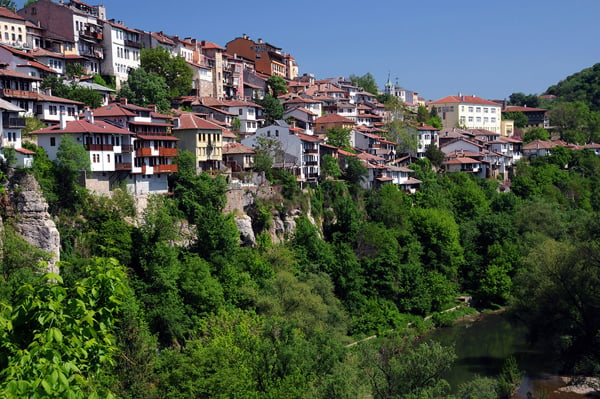
Coastal BeachesBulgaria is a Southeast European country located on the Balkan Peninsula, bordered by Romania, Serbia, North Macedonia, Greece, Turkey, and the Black Sea. The country blends rich history spanning thousands of years with modern European culture, featuring medieval monasteries, Ottoman heritage, and vibrant cities like Sofia and Plovdiv. Bulgaria has a developing economy with growing sectors in technology, agriculture, and tourism, offering relatively affordable living costs compared to Western Europe. The population is known for hospitality and strong cultural traditions, with a mix of Orthodox Christian heritage and diverse influences from its geographic position. Life in Bulgaria offers a balance between urban amenities in major cities and peaceful rural landscapes, with access to both mountain and coastal regions. The country has been a European Union member since 2007, providing stability and integration with European institutions.
 AGS Worldwide Movers
Get Quote
Relocating abroad soon? Make your move with AGS! AGS Worldwide Movers is a leader in the international moving industry. Our experience and expertise allows us to guarantee our clients the best quality moving services.
AGS Worldwide MoversRelocating abroad soon? Make your move with AGS! AGS Worldwide Movers is a leader in the international moving industry. Our experience and expertise allows us to guarantee our clients the best quality moving services.
Get Quote

Podcasts

Episode 6: Jake Barber - Expat Finance Expert and Lifelong Expat



Episode 8: Jake Barber - The Expat Finance Expert Returns
Living in Bulgaria
Best Places to Live in Bulgaria
Visa & Residency
Obtaining a residency in Bulgaria involves several steps and can be considered an average challenge compared to other European countries. The process begins with determining the appropriate type of visa. Expats typically apply for a D-type visa for long-term residence if they plan to stay in Bulgaria for more than 90 days within a six-month period. This visa is suitable for various purposes, including employment, study, family reunification, or conducting business. To apply for a D-type visa, expats must submit their application to the nearest Bulgarian embassy or consulate in their home country. The required documents usually include a valid passport, proof of accommodation in Bulgaria, health insurance, a criminal record check from the applicant's home country, and evidence of sufficient financial means to support their stay. Depending on the purpose of the long-term stay, additional documents such as a work permit, proof of enrollment in an educational institution, or documents related to family ties in Bulgaria may be required. Once the D-type visa is granted, it allows the holder to enter Bulgaria and apply for a long-term residence permit, which is valid for up to one year and can be renewed annually. The application for a residence permit is submitted to the Migration Directorate or the respective regional directorate of the Ministry of Interior after arriving in Bulgaria. Digital nomads often use the same D-type visa to enter Bulgaria. They can stay for up to 6 months and, during this period, apply for a long-term residence permit if they wish to extend their stay. The process for digital nomads is similar to other expats, with the emphasis on proving they can work remotely and have sufficient funds to support themselves without taking local jobs. Overall, while the process involves bureaucracy and the gathering of various documents, it is relatively straightforward if all the requirements are met. Expats and digital nomads are advised to start the application process well in advance of their intended move date to allow for any potential delays.
Healthcare in Bulgaria
The system in Bulgaria is a mix of public and private services. The public healthcare system is funded by the National health insurance Fund (NHIF), to which employers and employees contribute. It provides access to a range of medical services, including primary care, hospital treatment, and some dental services. However, the quality of public healthcare can vary, with urban areas typically offering better facilities and more specialists than rural regions. Private healthcare in Bulgaria is also available and is considered to have higher standards with more modern facilities and shorter waiting times, but it is more expensive. Expats and digital nomads can access public healthcare if they are registered with the NHIF, which requires a social security number and contributions to the system. This can be achieved through employment, self-employment, or voluntary contributions. Some expats may opt for private health insurance to cover private healthcare costs or to supplement the public healthcare system.
Cost of Living
Bulgaria offers one of the most affordable costs of living in the European Union. Rental prices vary significantly by location, with Sofia averaging €400-700 per month for a one-bedroom apartment in the city center, while provincial towns offer substantially lower rates at €200-400 monthly. Property purchase prices range from €1,500-3,000 per square meter in major cities to €500-1,500 in rural areas. Daily expenses including food, utilities, and transportation are considerably lower than Western European standards, making Bulgaria an attractive destination for budget-conscious relocators.
Weather
Bulgaria experiences a temperate continental climate with distinct seasonal variations. Winters are cold with temperatures often dropping below freezing, particularly in mountainous regions, while summers are warm and sunny with temperatures typically ranging from 25-30°C (77-86°F). Spring and autumn are mild transitional seasons with moderate rainfall. The Black Sea coast enjoys slightly warmer winters and more moderate temperatures year-round compared to inland areas.
Educational System in Bulgaria
The educational system in Bulgaria is structured to provide a comprehensive and mandatory education for children starting at the age of 6 or 7. Education in Bulgaria is divided into several stages: preschool, primary, secondary, and higher education. Preschool education is optional and is for children between the ages of 3 and 6. Primary education is mandatory and lasts for four years, known as grades 1 through 4. After completing primary education, students move on to lower secondary education, which consists of grades 5 through 8. The next stage is upper secondary education, which includes grades 9 through 12 and is also mandatory. Students can choose between a general high school education or a vocational track, which provides training in specific trades. The school year in Bulgaria typically starts in September and ends in May or June, with students graduating from secondary education around the age of 18 or 19. The Bulgarian educational system is known for its strong emphasis on subjects such as mathematics, science, and languages. Schools in Bulgaria are generally well-regarded, with a number of them offering advanced programs and extracurricular activities. For families moving to Bulgaria, it's important to note that the state provides free education in public schools, but there are also private schools that may offer different curricula and have tuition fees.
Living in Bulgaria
Healthcare in Bulgaria
Best Places to Live in Bulgaria
Moving to Bulgaria