Pros and Cons of Living in Bulgaria


Summary: If you're moving to Bulgaria, it's important to learn about both the Pros AND Cons of living in Bulgaria.
Are you considering an international move to Bulgaria? This beautiful Balkan nation, known for its diverse landscapes and rich history, offers a unique blend of European charm and cultural intrigue. But like any other country, Bulgaria has its strengths and weaknesses. Let's dive into the pros and cons of living in Bulgaria to help you make an informed decision.
Pros of Living in Bulgaria
Bulgaria boasts a myriad of advantages that make it an attractive destination for expats. Here are some of the key benefits you can expect:
Affordable Cost of Living: Bulgaria is renowned for its low compared to many other European countries. From accommodation to food and utilities, your money goes a long way here. A one-bedroom apartment in the city center can cost as little as 200 EUR per month, while a meal at an inexpensive restaurant often costs less than 5 EUR. For those coming from more expensive countries, this financial breathing room can significantly enhance the quality of life.
Natural Beauty and Outdoor Activities: Bulgaria's landscape is incredibly diverse, offering a blend of stunning mountains, pristine beaches, and lush forests. The Balkan Mountains provide ample opportunities for hiking, skiing, and other outdoor activities. The Black Sea coast, with its golden sands and vibrant resorts like Sunny Beach and Varna, is a popular summer destination. For nature lovers, the country is a paradise, with national parks like Rila and Pirin offering breathtaking views and a chance to connect with nature.
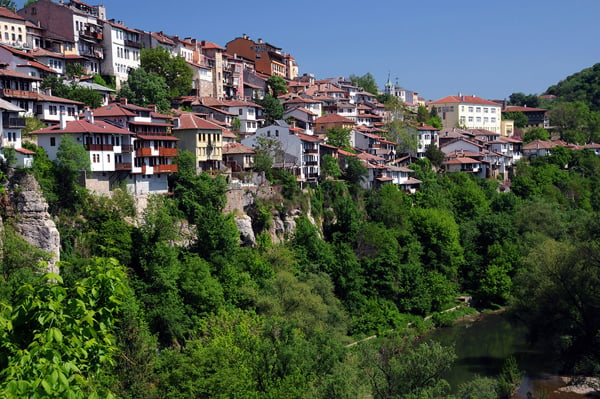
Rich Cultural Heritage: Bulgaria has a fascinating history that dates back thousands of years. The country is dotted with ancient ruins, medieval monasteries, and charming villages that offer a glimpse into its past. Cities like Sofia, Plovdiv, and Veliko Tarnovo are cultural hubs where you can explore museums, art galleries, and historical sites. Plovdiv, one of the oldest cities in Europe, is particularly known for its Roman amphitheater and the Old Town, a well-preserved architectural gem.
Friendly Locals and Vibrant Communities: Bulgarians are generally warm and welcoming people who take pride in their hospitality. Expats often find it easy to make friends and integrate into local communities. The country's vibrant festivals and traditions, such as the Rose Festival in Kazanlak and the Kukeri carnival, provide ample opportunities to experience the local culture firsthand. The expat community in Bulgaria is also growing, with numerous groups and clubs that organize social events and support newcomers.
Quality of Life and Healthcare: Despite its lower cost of living, Bulgaria offers a good quality of life. is generally affordable and accessible, with both public and private options available. The country has a well-developed healthcare system, and many doctors speak English, making it easier for expats to navigate medical services. Additionally, Bulgaria's relaxed pace of life and focus on family and community contribute to a balanced and fulfilling lifestyle.
Strategic Location and Travel Opportunities: Bulgaria's location in Southeastern Europe makes it a gateway to both Europe and Asia. Its proximity to countries like Greece, Turkey, and Romania offers excellent opportunities for weekend getaways and extended travel. Whether you're interested in exploring the Mediterranean, the Balkans, or beyond, Bulgaria's strategic location makes it an ideal base for travel enthusiasts.
Cons of Living in Bulgaria
While Bulgaria has many advantages, it's essential to be aware of the potential challenges. Here are some of the cons to consider:
Language Barrier: Bulgarian is the official language, and while English is widely spoken in urban areas and among younger generations, you may encounter language barriers in rural regions and when dealing with bureaucracy. Learning some basic Bulgarian can greatly enhance your experience and facilitate communication with locals. However, the language can be challenging to learn, with its unique alphabet and grammar rules.
Bureaucracy and Corruption: Like many countries, Bulgaria struggles with bureaucracy and corruption, which can make navigating administrative processes frustrating. Obtaining residency permits, dealing with property issues, and other official matters can be time-consuming and complicated. It's not uncommon to encounter red tape and a lack of transparency in government procedures. Having local assistance or hiring a professional to help with these matters can be beneficial.
Economic Challenges and Job Market: Bulgaria's economy is still developing, and job opportunities for expats may be limited compared to more prosperous European countries. While there are opportunities in sectors like IT, tourism, and education, competition can be fierce, and salaries are generally lower. Entrepreneurs and freelancers may find more flexibility, but starting a business can come with its own set of challenges, including navigating complex regulations.
Infrastructure and Public Services: While Bulgaria has made significant progress in recent years, the infrastructure and public services may not be on par with more developed countries. Roads, especially in rural areas, can be in poor condition, and public transportation may not be as efficient as in other European cities. Additionally, services like waste management and recycling are still developing, which can be a concern for those accustomed to more advanced systems.
Climate and Weather: Bulgaria experiences a continental climate with hot summers and cold winters. While this variety can be appealing, it also means dealing with extreme temperatures. Summers can be scorching, especially in the southern regions, while winters can be harsh, with heavy snowfall and freezing temperatures. This climate may take some getting used to, especially for those coming from milder climates.
Cultural Differences and Integration: Bulgaria has its unique customs and traditions, which can be both fascinating and challenging for expats. While Bulgarians are generally welcoming, integrating into the local culture may take time and effort. Understanding and respecting cultural norms, such as the importance of family and community, can help ease the transition. However, some expats may find the cultural differences and the slower pace of life challenging to adapt to.
Moving to Bulgaria can be an exciting and rewarding experience, offering a blend of affordability, natural beauty, and rich cultural heritage. However, it's essential to weigh the pros and cons carefully to ensure that the country aligns with your personal and professional goals. By understanding the potential challenges and embracing the opportunities, you can make the most of your new life in Bulgaria.
About the Author
 Betsy Burlingame is the Founder and President of Expat Exchange and is one of the Founders of Digital Nomad Exchange. She launched Expat Exchange in 1997 as her Master's thesis project at NYU. Prior to Expat Exchange, Betsy worked at AT&T in International
and Mass Market Marketing. She graduated from Ohio Wesleyan University
with a BA in International Business and German.
Betsy Burlingame is the Founder and President of Expat Exchange and is one of the Founders of Digital Nomad Exchange. She launched Expat Exchange in 1997 as her Master's thesis project at NYU. Prior to Expat Exchange, Betsy worked at AT&T in International
and Mass Market Marketing. She graduated from Ohio Wesleyan University
with a BA in International Business and German.
Some of Betsy's articles include 12 Best Places to Live in Portugal, 7 Best Places to Live in Panama and 12 Things to Know Before Moving to the Dominican Republic. Betsy loves to travel and spend time with her family. Connect with Betsy on LinkedIn.
Additional Information:
- Bulgaria Guide
- Healthcare & Health Insurance in Bulgaria
- Members Talk about Healthcare & Health Insurance in Bulgaria
- Best Places to Live in Bulgaria
- Real Estate in Bulgaria
- Guide to Real Estate in Bulgaria
- Pros & Cons of Living in Bulgaria
- Cost of Living in Bulgaria
- Best Places to See While on a Look-See Trip to Bulgaria (Plus, Itineraries)
- Moving to Bulgaria with a Pet
- Understanding Mental Health in Bulgaria
- Do I need Health Insurance When Moving to Bulgaria?
- 2026 Guide to Living in Bulgaria
- Pros and Cons of Living in Bulgaria 2026
- 2026 Guide to Moving to Bulgaria