10 Things to Know Before Moving to Bulgaria


Summary: If you're planning a move to Bulgaria, here are 10 things expats living there wish they had known before moving to Bulgaria.
Are you considering a move to Bulgaria? This beautiful Balkan country offers a unique blend of history, culture, and natural beauty. Before you pack your bags, here are ten essential things to know about living in Bulgaria as an expat.
1. Bulgaria Boasts a Rich Historical and Cultural Heritage
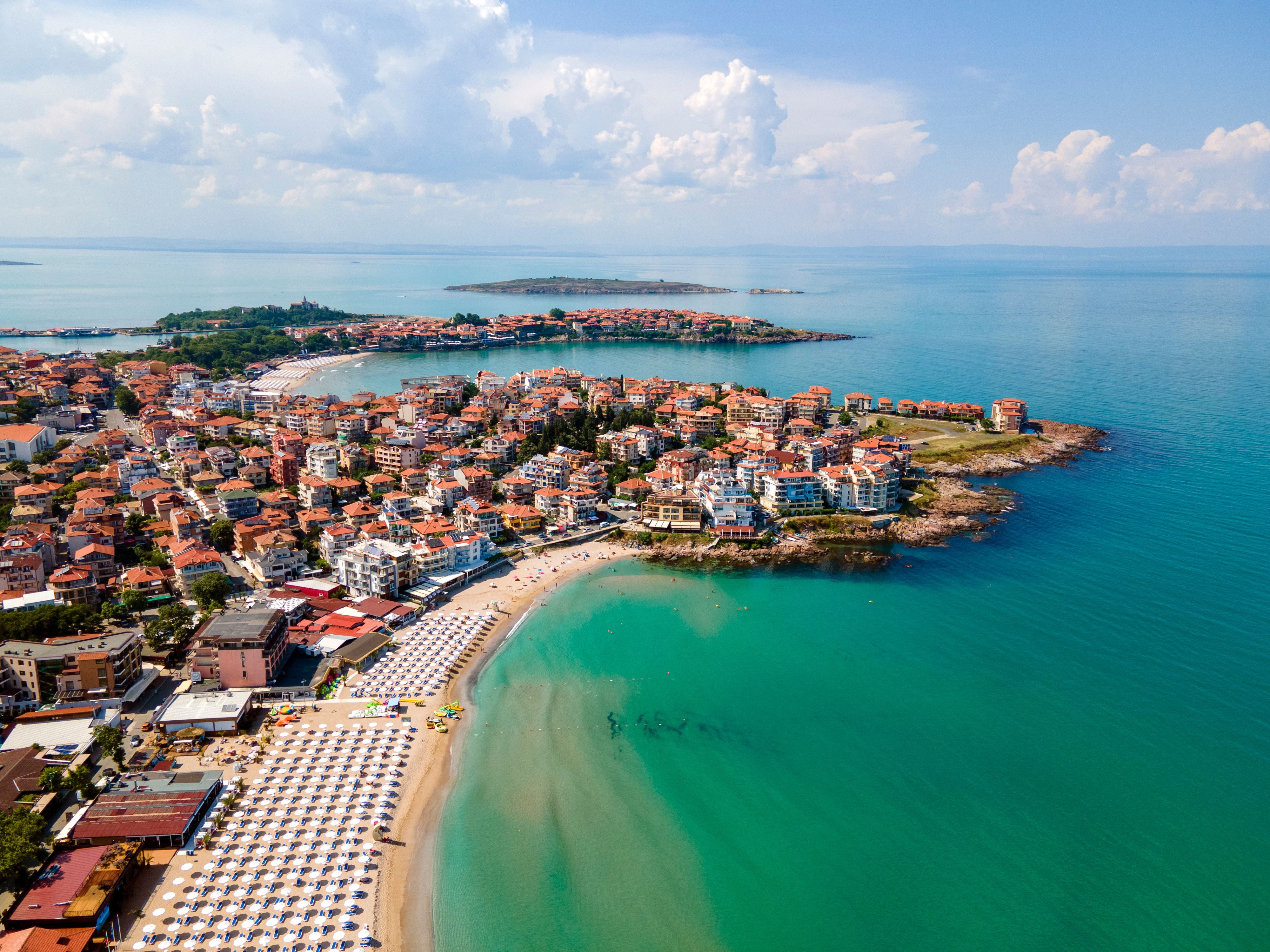
Bulgaria is a history enthusiast's dream, with a past that stretches back to ancient times. From Thracian tombs to Roman ruins and medieval fortresses, there's plenty to explore. The country is dotted with UNESCO World Heritage sites like the Rila Monastery and the ancient city of Nessebar. Immerse yourself in traditional customs, such as the Kukeri festivals, where costumed men perform rituals to scare away evil spirits. Understanding and appreciating Bulgaria's rich cultural tapestry will enhance your expat experience.
2. Learning the language Will Help You Integrate
While many younger Bulgarians speak English, learning the basics of the Bulgarian language will greatly benefit you. Bulgarian uses the Cyrillic script, which can be challenging at first, but mastering key phrases will help you navigate daily life and connect with locals. Language schools and private tutors are readily available, and Bulgarians are generally patient and encouraging when you attempt to speak their language.
3. The is Generally Lower
One of Bulgaria's main attractions for expats is its relatively low cost of living compared to many other European countries. Food, utilities, and accommodation are generally more affordable, especially outside the capital, Sofia. A three-course meal for two at a mid-range restaurant might cost around 30 Bulgarian Leva (approximately 15 EUR), and a monthly rent for a one-bedroom apartment in the city center can range from 400 to 600 Leva (200-300 EUR). However, salaries are also typically lower, so it's essential to have a financial plan in place.
4. Bulgarian Cuisine is Delicious and Varied
Bulgarian food is a delightful mix of Balkan, Mediterranean, and Middle Eastern influences. Be sure to try local specialties like banitsa (a cheese-filled pastry), lyutenitsa (a spicy tomato and pepper spread), and shopska salata (a fresh salad of tomatoes, cucumbers, onions, and cheese). Bulgarians also take pride in their high-quality yogurt, which is said to be the secret to their longevity. Don't forget to sample the local wines and rakia, a strong fruit brandy popular throughout the Balkans.
5. Nature Lovers Will Feel Right at Home
Bulgaria's diverse landscape offers an abundance of outdoor activities. From the snow-capped peaks of the Rila and Pirin mountains to the sun-drenched beaches of the Black Sea coast, there's something for everyone. Spend your weekends hiking, skiing, or exploring one of the many national parks. The Seven Rila Lakes is a must-visit destination, offering stunning views and invigorating walks.
6. The Climate is Diverse and Offers Four Distinct Seasons
Bulgaria enjoys a varied climate, with cold, snowy winters and hot, dry summers. The mountainous regions experience more severe weather, while the coastal areas benefit from a milder, Mediterranean influence. Spring and autumn bring beautiful colors and pleasant temperatures. Be prepared for all four seasons and pack accordingly.
7. Bulgarian People Are Generally Warm and Welcoming
Bulgarians are known for their hospitality and friendly nature. Don't be surprised if you're invited to a local's home for a meal or offered a glass of rakia. Building relationships is essential in Bulgaria, and taking the time to get to know your neighbors and colleagues will enrich your experience. Be aware that Bulgarians may come across as direct or blunt, but this is usually a sign of honesty rather than rudeness.
8. Bureaucracy Can Be Challenging
Navigating Bulgaria's bureaucracy can be time-consuming and frustrating. From registering with the police to setting up utilities, expect to encounter red tape and language barriers. Patience and persistence are key, and don't hesitate to ask for help from local friends or colleagues. Familiarize yourself with the relevant laws and regulations, and always keep important documents safe and accessible.
9. Driving in Bulgaria Requires Caution
Road conditions and driving standards in Bulgaria may be different from what you're used to. While the major highways are well-maintained, rural roads can be narrow and poorly surfaced. Bulgarian drivers can be assertive, and it's not uncommon to see cars overtaking in seemingly impossible situations. Stay alert, obey traffic rules, and consider using public transportation or taxis until you're comfortable behind the wheel.
10. Embrace the Slow Pace of Life
Life in Bulgaria, especially outside the major cities, tends to move at a slower pace. This can be a welcome change from the fast-paced lifestyle of many Western countries. Take the time to enjoy simple pleasures, like lingering over a coffee with friends or taking a leisurely stroll through the park. Embrace the concept of "????" (pronounced "sega"), which means "now," and focus on the present moment. This mindset will help you appreciate the unique rhythm of Bulgarian life.
Moving to Bulgaria offers an exciting opportunity to immerse yourself in a new culture, make lasting friendships, and create unforgettable memories. By familiarizing yourself with these ten essential aspects of life in Bulgaria, you'll be well-prepared to make the most of your expat experience.
Expats talk about moving to Bulgaria
"I would find out about a area of the country you like and fly out, drive around to if possible to find a place you like then find a estate agent or a English person to find you some houses to view . I moved out with Oggi who has a removal company, you pack your goods and he arranges the pick up, you have to load it on the lorry his driver will help, had it delivered from door to door in 6 days, great service and cheap, if you would like his email contact me," said one expat living in Pleven.
About the Author
 Betsy Burlingame is the Founder and President of Expat Exchange and is one of the Founders of Digital Nomad Exchange. She launched Expat Exchange in 1997 as her Master's thesis project at NYU. Prior to Expat Exchange, Betsy worked at AT&T in International
and Mass Market Marketing. She graduated from Ohio Wesleyan University
with a BA in International Business and German.
Betsy Burlingame is the Founder and President of Expat Exchange and is one of the Founders of Digital Nomad Exchange. She launched Expat Exchange in 1997 as her Master's thesis project at NYU. Prior to Expat Exchange, Betsy worked at AT&T in International
and Mass Market Marketing. She graduated from Ohio Wesleyan University
with a BA in International Business and German.
Some of Betsy's articles include 12 Best Places to Live in Portugal, 7 Best Places to Live in Panama and 12 Things to Know Before Moving to the Dominican Republic. Betsy loves to travel and spend time with her family. Connect with Betsy on LinkedIn.
Additional Information:
- Bulgaria Guide
- Healthcare & Health Insurance in Bulgaria
- Members Talk about Healthcare & Health Insurance in Bulgaria
- Best Places to Live in Bulgaria
- Real Estate in Bulgaria
- Guide to Real Estate in Bulgaria
- Pros & Cons of Living in Bulgaria
- Cost of Living in Bulgaria
- Best Places to Visit in Bulgaria for Christmas Cheer
- Christmas in Bulgaria
- Culture Shock in Bulgaria
- Homeschooling in Bulgaria
- 2026 Guide to Living in Bulgaria
- Pros and Cons of Living in Bulgaria 2026
- 2026 Guide to Moving to Bulgaria