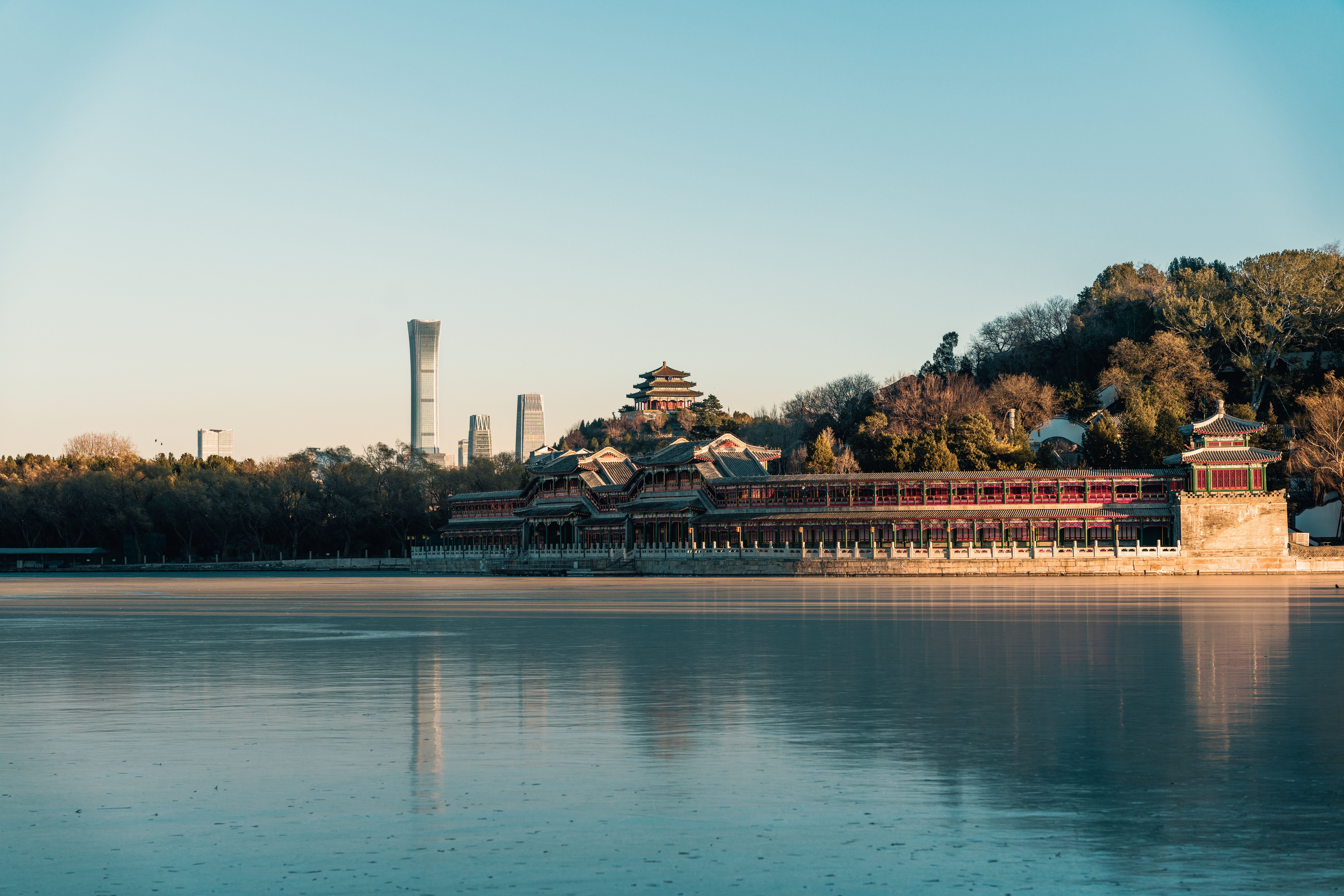
Beijing
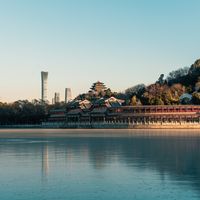
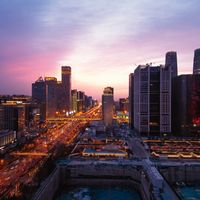
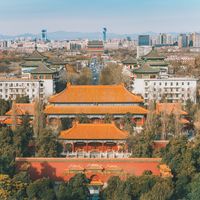
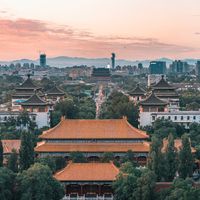
Urban RiverfrontBeijing is the capital and largest city of China, serving as the nation's political, cultural, and educational center. The city is renowned for its rich history spanning over 3,000 years, with architectural landmarks that reflect both ancient imperial traditions and modern development. Beijing's urban landscape combines historic hutongs (traditional narrow alleyways) with contemporary skyscrapers, creating a dynamic blend of old and new. The city is home to world-class museums, universities, and research institutions that contribute to its status as a global center of culture and innovation. Beijing's economy is highly developed and diversified, encompassing finance, technology, manufacturing, and services sectors. The city experiences significant seasonal variations and hosts major international events and conferences throughout the year. Its strategic location in northern China makes it a crucial transportation hub connecting various regions of the country.
 BlueCross BlueShield Global Solutions
Get Quote
BlueCross BlueShield Global Solutions (BCBS) offers global health plans for international assignments or trips lasting 6 months or longer. With access to over 1.7M medical providers in 190 countries around the world, BCBS provides members with solutions and industry-leading digital services - ensuring top-quality coverage to people who live, work, study and travel internationally.
BlueCross BlueShield Global SolutionsBlueCross BlueShield Global Solutions (BCBS) offers global health plans for international assignments or trips lasting 6 months or longer. With access to over 1.7M medical providers in 190 countries around the world, BCBS provides members with solutions and industry-leading digital services - ensuring top-quality coverage to people who live, work, study and travel internationally.
Get Quote
Visa & Residency
Obtaining a residency in China involves several steps and can be a complex process, depending on the type of visa and the applicant's circumstances. The most common residency visas are the Z Visa, which is issued to expatriates who have obtained employment in China, and the Q Visa, for those who are family members of Chinese citizens or permanent residents. To apply for a Z Visa, the applicant must first secure a job with a Chinese employer. The employer will then apply for an employment license and invitation letter from the local authorities. With these documents, the applicant can apply for the Z Visa at a Chinese embassy or consulate in their home country. Upon arrival in China, the holder of a Z Visa must apply for a Temporary Residence Permit within 30 days to legally reside in the country. This permit is usually valid for the duration of the employment contract, up to a maximum of five years. The Q Visa application process requires an invitation from a Chinese family member and proof of the familial relationship. The applicant must submit these, along with other necessary documents, to the Chinese embassy or consulate. Similar to the Z Visa, upon entering China, the Q Visa holder must apply for a Temporary Residence Permit. Digital nomads often use the M Visa, which is intended for business-related activities such as attending trade fairs or conducting short-term business visits. The M Visa does not lead to residency but allows for multiple entries over a period that can extend up to 10 years, with each stay typically ranging from 30 to 60 days. The difficulty of obtaining a residency visa in China can be considered average, but it requires careful attention to detail and adherence to the specific requirements set by Chinese authorities. The process can be time-consuming and may require assistance from legal professionals or visa agents, especially for those unfamiliar with the Chinese language and legal system. It is important to stay updated on the latest regulations, as Chinese immigration laws can change frequently.
Cost of Living
The cost of living in Beijing is high, particularly for housing, international schools, and imported goods. Expats and affluent residents face elevated prices for quality accommodations in desirable neighborhoods. However, local transportation, dining at traditional restaurants, and domestic services remain relatively affordable compared to other major global cities.
Weather
Beijing has a temperate continental climate with cold, dry winters and warm, humid summers. Spring and autumn are mild seasons with moderate temperatures and lower humidity.
Healthcare in Beijing
Beijing has advanced healthcare facilities with several top-tier hospitals offering modern medical technology and English-speaking staff, particularly in international hospitals and major public institutions. The healthcare system combines traditional Chinese medicine with Western medicine, providing comprehensive services. However, quality and service levels can vary between hospitals, with international hospitals generally offering higher standards for expatriates.
Schools in Beijing
Beijing has numerous international schools including Beijing International School (BIS), Western Academy of Beijing (WAB), and International School of Beijing (ISB), offering IB, American, and British curricula. These schools serve the expatriate community and provide English-medium education with international standards and accreditation.
Beijing offers several bilingual schools that combine Chinese and English instruction, such as Beijing Huijia Private School and other institutions serving both local and expatriate families. These schools typically integrate Chinese language and culture with international educational approaches.
Restaurants in Beijing
Living in Beijing
Moving to Beijing
Healthcare in Beijing