Denmark
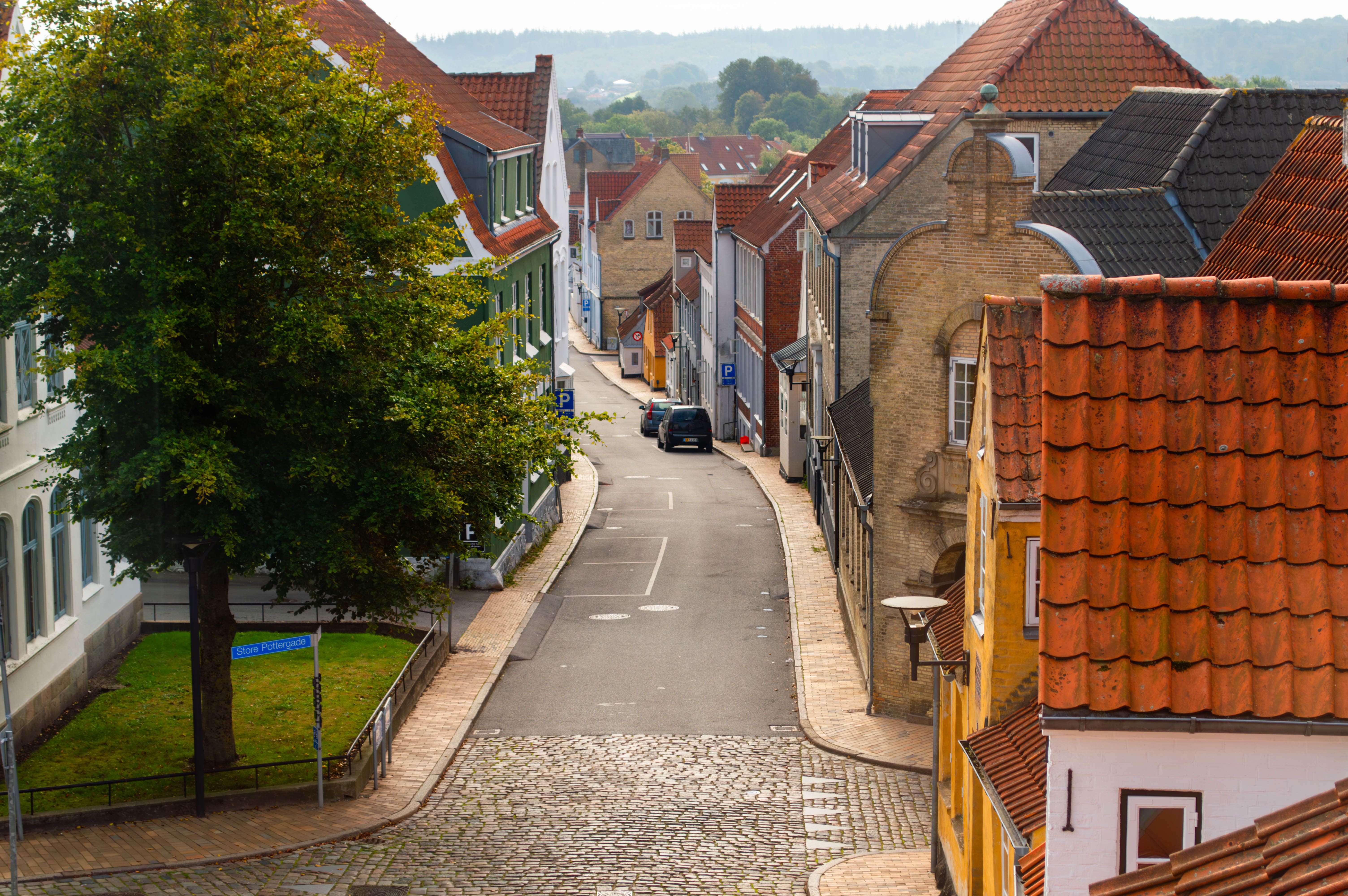
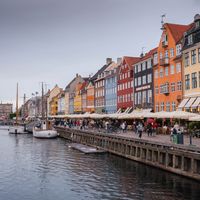
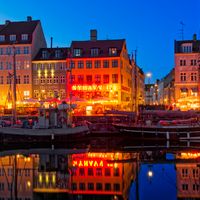
Coastal BeachesDenmark is a Nordic country in Northern Europe, comprising the Jutland Peninsula and numerous islands including Zealand and Funen. Known for its high quality of life, strong social welfare system, and progressive values, Denmark consistently ranks among the world's happiest countries. The economy is stable and diverse, with strengths in renewable energy, pharmaceuticals, shipping, and design. Danish culture emphasizes work-life balance, cycling, and the concept of 'hygge' (cozy contentment). The country is highly developed with excellent infrastructure, education, and healthcare systems. Copenhagen, the capital, is a vibrant, cosmopolitan city that serves as the cultural and economic hub.
 BlueCross BlueShield Global Solutions
Get Quote
BlueCross BlueShield Global Solutions (BCBS) offers global health plans for international assignments or trips lasting 6 months or longer. With access to over 1.7M medical providers in 190 countries around the world, BCBS provides members with solutions and industry-leading digital services - ensuring top-quality coverage to people who live, work, study and travel internationally.
BlueCross BlueShield Global SolutionsBlueCross BlueShield Global Solutions (BCBS) offers global health plans for international assignments or trips lasting 6 months or longer. With access to over 1.7M medical providers in 190 countries around the world, BCBS provides members with solutions and industry-leading digital services - ensuring top-quality coverage to people who live, work, study and travel internationally.
Get Quote



Podcasts

Episode 6: Jake Barber - Expat Finance Expert and Lifelong Expat



Episode 8: Jake Barber - The Expat Finance Expert Returns
Living in Denmark
Best Places to Live in Denmark
Visa & Residency
Obtaining a residency in Denmark involves navigating a system that is designed to be straightforward but can be complex due to the specific requirements for each type of visa. The most popular visas for expats are the Greencard scheme, the Pay Limit scheme, and the Positive List scheme. The Greencard scheme allows highly skilled professionals to obtain a residence permit in search of work and subsequently work in Denmark. To qualify, applicants must score points based on criteria such as education, language skills, and adaptability. The Pay Limit scheme is for individuals who have been offered a highly paid job in Denmark, while the Positive List scheme is for those who have a job offer in a profession currently experiencing a shortage in Denmark. The process generally involves submitting an application and supporting documents to the Danish Service or the Danish Agency for International Recruitment and Integration. Applicants must also pay a processing fee. The difficulty of the process can vary depending on the applicant's circumstances and the specific visa type. For example, the Greencard scheme requires a substantial amount of documentation to demonstrate eligibility, and not all applicants will qualify for the points needed. Once a residence permit is granted, it typically allows the holder to stay in Denmark for up to 3 years, with the possibility of extension if they meet certain conditions, such as being employed in a job at a certain income level. It is important to note that Denmark does not currently offer a specific visa for digital nomads, so those working remotely often enter on a tourist visa or seek a residence permit through other available schemes. The tourist visa allows for stays of up to 90 days. For longer stays, digital nomads must navigate the standard work and residence permit application process, which can be more challenging without a traditional employer-based sponsorship.
Healthcare in Denmark
The system in Denmark is primarily public, funded through taxes and free at the point of use for all residents. It is known for its high quality and efficiency, with a strong emphasis on primary care and preventative measures. The system is decentralized, with the responsibility for hospitals and general practitioners falling to the regional governments. Private healthcare exists alongside the public system, offering services such as specialist treatments and elective surgeries, often with shorter waiting times. The cost of private healthcare is typically higher than public, but it is still affordable compared to many other countries. Expats and digital nomads can gain access to public healthcare once they are registered as residents and have a CPR number, which is a civil registration number provided by the Danish authorities. This registration also allows access to the European health insurance Card (EHIC), which provides health coverage throughout the European Union.
Cost of Living
Denmark has a high cost of living, particularly in Copenhagen and other major cities. Rental prices for a one-bedroom apartment in central Copenhagen average around 8,000-10,000 DKK (€1,070-€1,340) monthly, while outside the city center they range from 6,000-7,500 DKK (€800-€1,000). Property purchase prices in Copenhagen exceed 60,000 DKK per square meter (€8,000+), making homeownership expensive. Daily expenses including groceries, dining, and utilities are notably higher than in many other European countries, though wages and social benefits help offset these costs.
Weather
Denmark has a temperate oceanic climate with mild winters and cool summers. Winter temperatures typically range from -1°C to 3°C (30-37°F), while summers average 15-17°C (59-63°F). The country experiences significant seasonal variation in daylight, with very long summer days and short winter days. Rainfall is distributed throughout the year, with autumn and winter being slightly wetter periods.
Educational System in Denmark
Denmark's educational system is renowned for its quality and emphasis on creating an environment conducive to learning and personal development. Education in Denmark is compulsory for children from the age of 6 to 16. The Danish education system is divided into different levels: pre-school, primary and lower secondary education, upper secondary education, and higher education. Pre-school, which is optional, caters to children from the age of six months to six years. Primary and lower secondary education are combined into one system known as the 'Folkeskole' which lasts for 10 years. After completing the 'Folkeskole', students can choose to continue their education by attending upper secondary school, which offers general education and prepares students for higher education, or they can enroll in vocational education programs. Upper secondary education typically lasts three years. Higher education in Denmark is offered at universities, university colleges, and academies of professional higher education, with programs that range from short-cycle higher education to doctoral degrees. Danish children typically start school in the year they turn six, and they graduate from upper secondary school around the age of 19. The Danish education system is characterized by a flexible structure, a broad curriculum, and a focus on both academic and social development. Schools in Denmark are well-equipped, and the teaching philosophy is often centered around student participation, critical thinking, and group work, rather than rote learning
Living in Denmark
Healthcare in Denmark
Best Places to Live in Denmark
Moving to Denmark