How to Enroll in the Public Healthcare System in Denmark


Summary: A primer on how to enroll in the public healthcare system in Denmark.
If you're planning to enroll in the public system in Denmark, this article covers the requirements for foreigners to be able enroll in the public healthcare system, the steps involved and more.
Are you considering an international move to Denmark? This Scandinavian gem offers a unique blend of history, culture, and modernity. But like any destination, it has its upsides and downsides. Let's dive into the pros and cons of living in Denmark to help you make an informed decision.
Pros of Living in Denmark
Denmark consistently ranks high in quality of life indices, and for good reason. One of the most appealing aspects is the work-life balance. The average workweek is around 37 hours, and Danes value their leisure time. It's not uncommon for offices to be empty by 4 pm, giving residents plenty of time to enjoy hobbies and family life.
The country is also known for its comprehensive welfare system. Healthcare is free and high-quality, education is free (even at the university level), and childcare is heavily subsidized. This social safety net provides peace of mind for many residents, knowing that they'll be taken care of in times of need.
Denmark's commitment to sustainability is another significant advantage. Copenhagen, the capital, aims to be the world's first carbon-neutral city by 2025. Cycling is a way of life here, with dedicated bike lanes crisscrossing the cities. Even the harbor water is clean enough for swimming, a testament to the country's environmental efforts.
The sense of community in Denmark is strong. The concept of 'hygge' - creating a warm atmosphere and enjoying the good things in life with good people - is central to Danish life. This coziness and contentment make Denmark a pleasant place to live. For instance, it's not uncommon for neighbors to gather for communal dinners or for families to meet for picnics in the park.
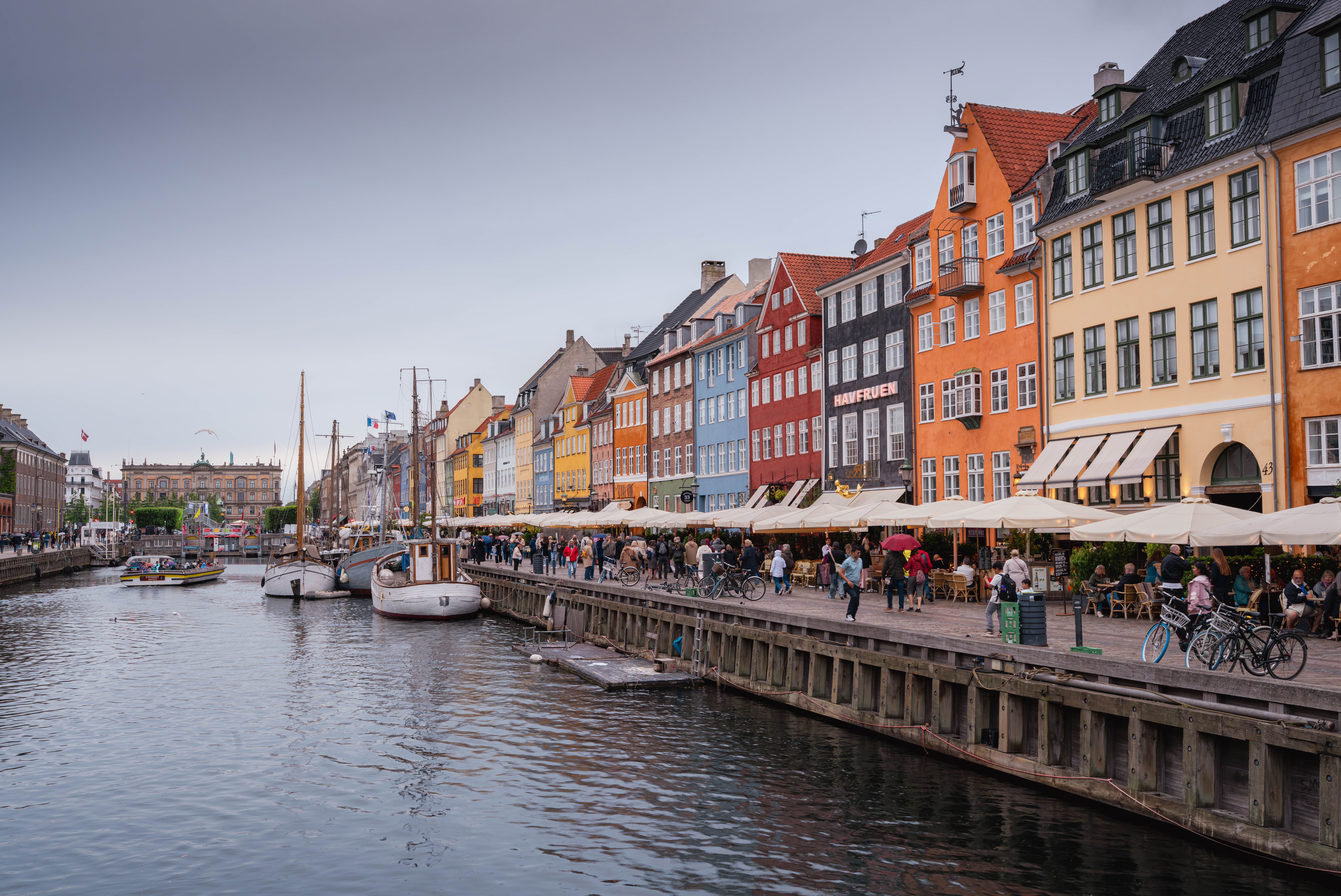
Lastly, Denmark's rich culture and history are evident in its architecture, museums, and traditions. From the vibrant Nyhavn harbor in Copenhagen to the ancient Viking ruins scattered across the country, there's always something new to explore. The music and food scenes are also thriving, with world-renowned restaurants and festivals.
Cons of Living in Denmark
While Denmark has much to offer, it's not without its challenges. One of the most significant drawbacks is the high cost of living. Denmark is among the most expensive countries in the world. Housing, especially in cities like Copenhagen, can be quite costly. A small apartment in the city center can easily run over 10,000 DKK ($1,600 USD) per month. Food and dining out are also pricey.
The weather can also be a tough pill to swallow. Winters are long, dark, and cold, with short days and plenty of rain. This can lead to feelings of isolation and seasonal affective disorder for some people. Summers, while mild and pleasant, are short. The lack of sunlight during winter is a common complaint among expats.
Denmark's high tax rates are another potential downside. The top income tax rate is around 56%, and the sales tax (VAT) is 25%. While these taxes fund the robust welfare system, they can feel burdensome, especially for those coming from lower-tax countries.
The language barrier can also pose a challenge. While many Danes speak excellent English, the primary language is Danish. This can make integration difficult, especially in smaller towns and rural areas. Learning Danish can help, but it's known for being a tricky language to master.
Lastly, some expats find the social dynamics in Denmark challenging. Danes tend to be reserved and have a strong sense of personal space. It can take time to build close friendships, and the directness of Danish communication can sometimes come across as rude to those from more indirect cultures. For example, it's common for Danes to offer constructive criticism openly, which can be misunderstood as criticism.
moving to Denmark is a significant decision with numerous factors to consider. The high quality of life, robust welfare system, and rich culture are compelling reasons to make the move. However, the high cost of living, challenging weather, and potential social difficulties should also be taken into account. Ultimately, the best way to decide is to visit, explore, and experience Denmark for yourself.
About the Author
 Betsy Burlingame is the Founder and President of Expat Exchange and is one of the Founders of Digital Nomad Exchange. She launched Expat Exchange in 1997 as her Master's thesis project at NYU. Prior to Expat Exchange, Betsy worked at AT&T in International
and Mass Market Marketing. She graduated from Ohio Wesleyan University
with a BA in International Business and German.
Betsy Burlingame is the Founder and President of Expat Exchange and is one of the Founders of Digital Nomad Exchange. She launched Expat Exchange in 1997 as her Master's thesis project at NYU. Prior to Expat Exchange, Betsy worked at AT&T in International
and Mass Market Marketing. She graduated from Ohio Wesleyan University
with a BA in International Business and German.
Some of Betsy's articles include 12 Best Places to Live in Portugal, 7 Best Places to Live in Panama and 12 Things to Know Before Moving to the Dominican Republic. Betsy loves to travel and spend time with her family. Connect with Betsy on LinkedIn.
Additional Information:
- Denmark Guide
- Healthcare & Health Insurance in Denmark
- Members Talk about Healthcare & Health Insurance in Denmark
- Best Places to Live in Denmark
- Real Estate in Denmark
- Guide to Real Estate in Denmark
- Pros & Cons of Living in Denmark
- Cost of Living in Denmark
- Best Places to Visit in Denmark for Christmas Cheer
- Christmas in Denmark
- Culture Shock in Denmark
- Homeschooling in Denmark
- 2026 Guide to Living in Denmark
- Pros and Cons of Living in Denmark 2026