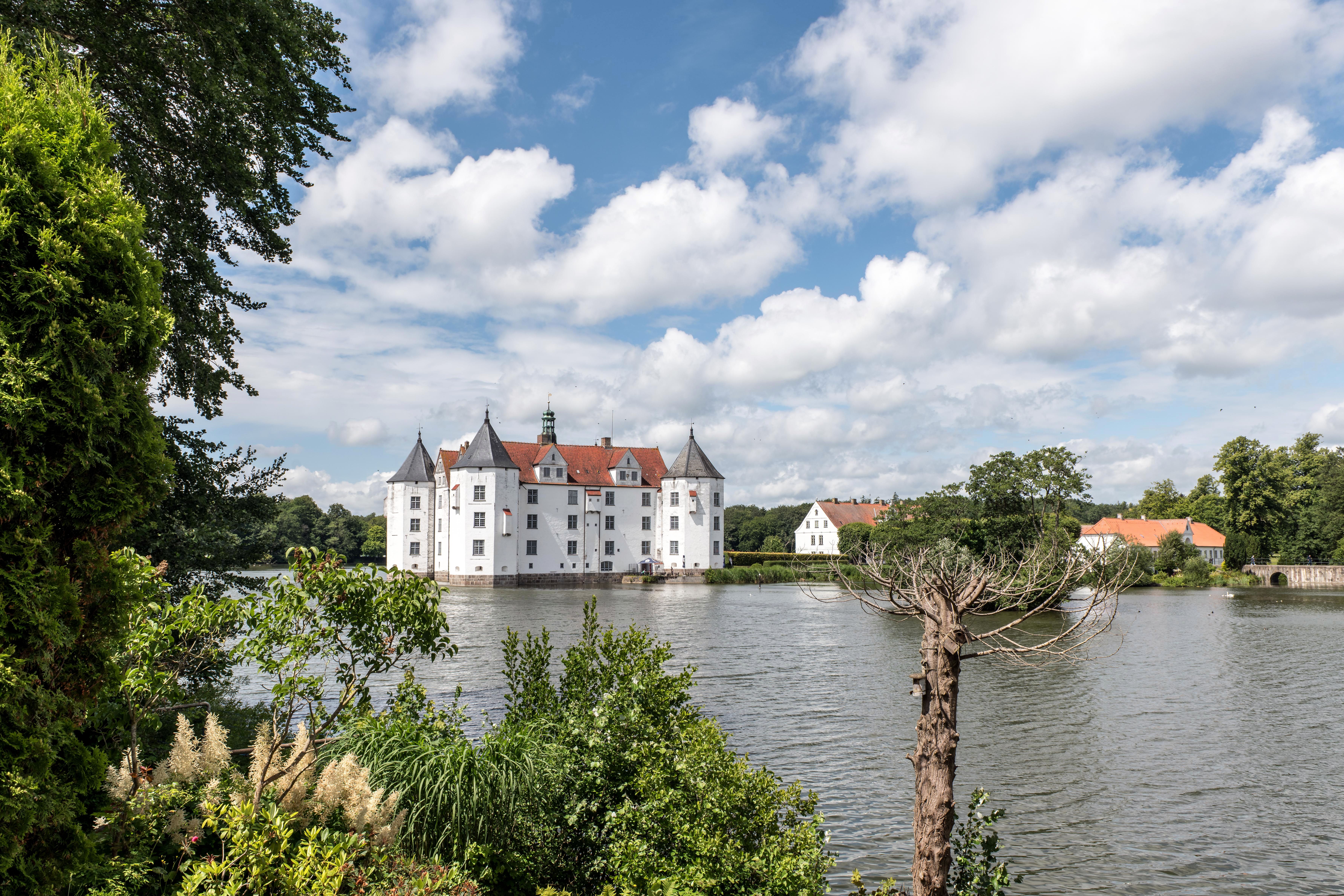
Having a Baby in Denmark


Summary: If you're going to be pregnant while living in Denmark and want to learn what it's like to have a baby in Denmark, this article is a must read. Topics covered include public vs. private hospitals, pain management, finding a doctor and more. Plus, expats share their experiences having a baby in Denmark.
Having a baby in Denmark as an expat can be a positive experience, with a high standard of and comprehensive support systems in place. The Danish healthcare system is predominantly public and funded by taxes, offering free or heavily subsidized medical services. However, navigating the system as a foreigner might seem overwhelming at first. Here's a guide to help expats and digital nomads understand the process.
Choosing a Doctor
To manage your pregnancy, you'll need to find a general practitioner (GP) or a midwife. Denmark has a few English-speaking doctors, particularly in larger cities like Copenhagen, Aarhus, and Odense. You can find them through online directories or by asking local expat communities. Your GP will usually refer you to a midwife for pregnancy-related care. It's also possible to choose a private midwife, but this service comes at a cost.
What to Expect for Prenatal Care
Prenatal care in Denmark is typically handled by midwives, who are highly trained and independent practitioners. Regular check-ups include ultrasound scans, blood tests, and general health assessments. The first appointment usually happens between 6-10 weeks of pregnancy. The Danish system emphasizes personal choice and informed decision-making, so feel free to discuss your preferences with your midwife.
Do Expats Typically Have Private health insurance when Having a Baby in Denmark?
Expats who are registered with the Danish Civil Registration System and have a CPR number are entitled to free public healthcare. Private health insurance is not typically necessary for maternity care, as the public system covers most services. However, some expats might choose private insurance for quicker access to specialists or private hospital stays.
Giving Birth at Public vs. Private Hospitals
Most births in Denmark occur in public hospitals, which offer high-quality care. Public hospitals provide a comfortable, family-centered environment with midwives and doctors on staff. Private hospitals, on the other hand, offer more personalized care, but they come at a cost. The main difference is the level of privacy and the patient-to-staff ratio. In case of complications, public hospitals have specialized units for high-risk pregnancies.
C-Sections in Denmark
C-sections in Denmark are not as common as in some other countries, with a rate of around 20%. The Danish healthcare system promotes natural birth and uses C-sections primarily for medical reasons. Elective C-sections are possible but require thorough medical justification.
Pain Management During Delivery
Pain management during delivery varies in Denmark. Epidurals are available but not as routinely offered as in some other countries. Other methods of pain relief, such as nitrous oxide (laughing gas) and various drugs, are also available. Many Danish women opt for natural, drug-free births, supported by midwives. It's important to discuss your preferences with your midwife beforehand.
Hospitals with Neonatal Intensive Care Units
Several hospitals in Denmark have neonatal intensive care units (NICUs), primarily located in major cities. These include Rigshospitalet in Copenhagen, Aarhus University Hospital, and Odense University Hospital. NICUs in Denmark provide advanced care for premature or critically ill newborns. In case of an emergency, the highly coordinated healthcare system ensures quick and efficient transfers to these specialized units.
About the Author
 Betsy Burlingame is the Founder and President of Expat Exchange and is one of the Founders of Digital Nomad Exchange. She launched Expat Exchange in 1997 as her Master's thesis project at NYU. Prior to Expat Exchange, Betsy worked at AT&T in International
and Mass Market Marketing. She graduated from Ohio Wesleyan University
with a BA in International Business and German.
Betsy Burlingame is the Founder and President of Expat Exchange and is one of the Founders of Digital Nomad Exchange. She launched Expat Exchange in 1997 as her Master's thesis project at NYU. Prior to Expat Exchange, Betsy worked at AT&T in International
and Mass Market Marketing. She graduated from Ohio Wesleyan University
with a BA in International Business and German.
Some of Betsy's articles include 12 Best Places to Live in Portugal, 7 Best Places to Live in Panama and 12 Things to Know Before Moving to the Dominican Republic. Betsy loves to travel and spend time with her family. Connect with Betsy on LinkedIn.
Additional Information:
- Denmark Guide
- Healthcare & Health Insurance in Denmark
- Members Talk about Healthcare & Health Insurance in Denmark
- Best Places to Live in Denmark
- Real Estate in Denmark
- Guide to Real Estate in Denmark
- Pros & Cons of Living in Denmark
- Cost of Living in Denmark
- Getting a Driver's License in Denmark
- 15 Best Places to Live in Denmark
- Understanding the Health System in Denmark
- Guide to Residency in Denmark
- 2026 Guide to Living in Denmark
- Pros and Cons of Living in Denmark 2026