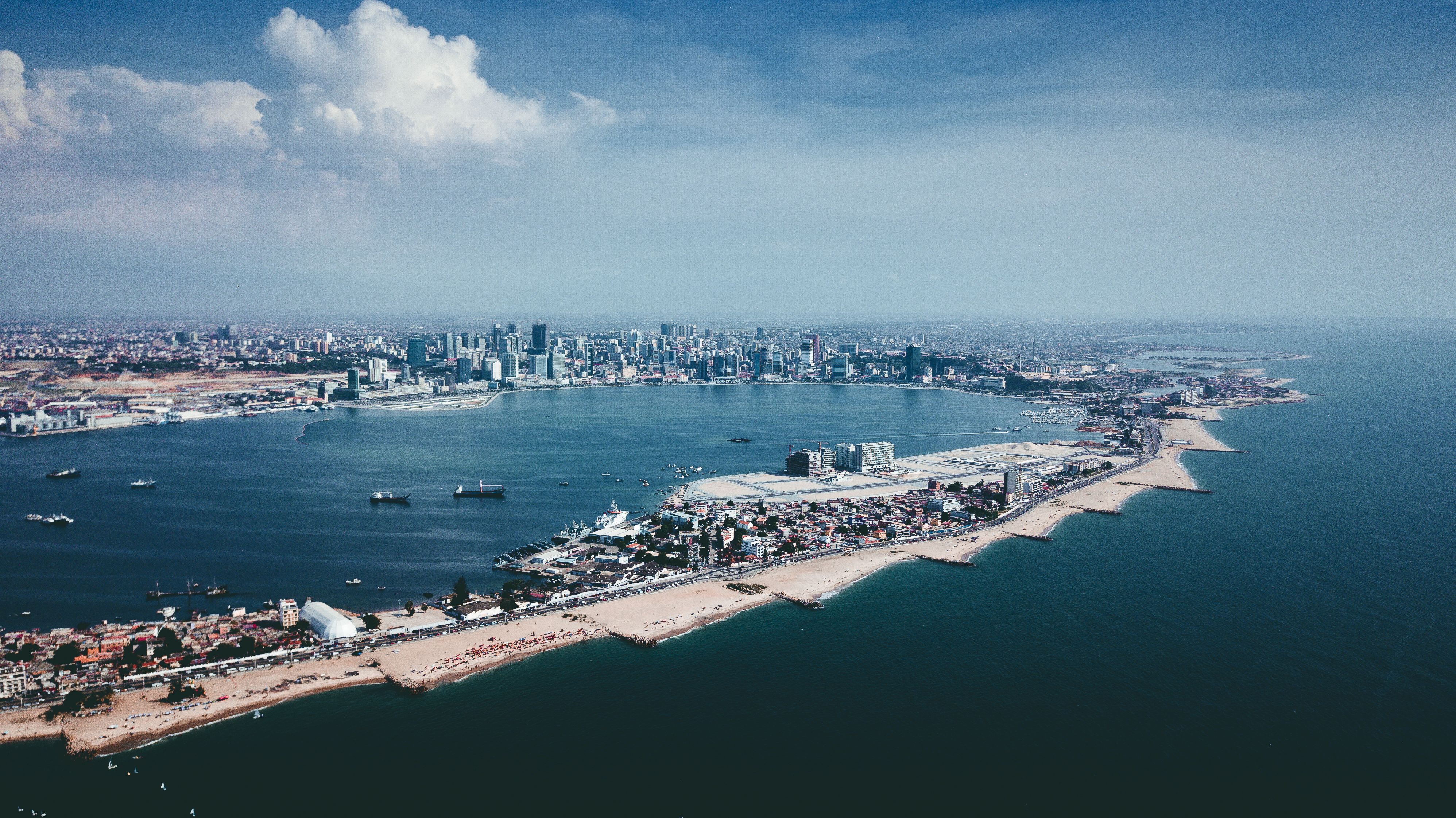


10 Things to Know Before Moving to Angola


Summary: If you're planning a move to Angola, here are 10 things expats living there wish they had known before moving to Angola.
Are you considering a move to Angola? This vibrant and culturally rich country offers a unique blend of traditional African culture and a bustling expat scene. Before you pack your bags, here are ten essential things to know to help you navigate the challenges and embrace the rewards of living in Angola.
1. Understand the Visa Requirements and residency Permits
Angola has specific visa requirements and processes for residency permits. Most expats will need a work visa, which requires a job offer from an Angolan company. The process can be lengthy, so it's crucial to start early. Expect to provide documents such as a passport, employment contract, and medical certificate. Additionally, register with your home country's embassy upon arrival for safety and support.
2. Learn Basic Portuguese
Portuguese is the official language of Angola. While you might find English speakers in business circles and among expats, learning basic Portuguese will significantly enhance your daily life. Simple greetings, numbers, and common phrases can help you navigate markets, interact with locals, and show respect for the culture. Consider taking language lessons before your move or upon arrival.
3. Adapt to the Climate
Angola's climate varies by region, but generally, it's hot and humid along the coast and cooler in the highlands. Luanda, the capital, has a hot semi-arid climate with a long dry season and a short rainy season. Prepare for temperatures that can reach up to 35°C (95°F) and humidity levels that make it feel even hotter. Proper hydration and light clothing are essential.
4. Navigate the Housing Market
Finding accommodation in Angola can be challenging, especially in Luanda. Expats often live in compounds or high-rise apartments in areas like Luanda Sul, Talatona, or Ilha do Cabo. Rents can be high, and it's common to pay a full year upfront. Working with a reputable real estate agent can help you find suitable housing and negotiate lease terms. Always inspect the property thoroughly before signing any agreements.
5. Embrace the Local Cuisine
Angolan cuisine is a delightful mix of African, Portuguese, and Brazilian influences. Dishes like moamba de galinha (chicken stew with palm oil), funge (cassava porridge), and mufete (grilled fish) are must-tries. Street food is common and can be quite tasty, but always be cautious about hygiene. Explore local markets for fresh produce and try cooking traditional recipes at home.
6. Understand the System
Healthcare in Angola is improving, but it's still advisable to have comprehensive health insurance that covers medical evacuation. Private clinics and hospitals are available in major cities, but the quality can vary. Stock up on basic medications and first-aid supplies, and be prepared to travel for specialized care. Regular vaccinations and malaria prevention are also crucial.
7. Prepare for Traffic and Road Conditions
Driving in Angola can be chaotic, especially in Luanda. Traffic congestion is common, and road conditions can be poor. It's advisable to have a reliable vehicle, preferably a 4x4, for navigating unpaved roads. Public transportation is limited, so many expats hire drivers or use taxis. Always follow safety guidelines, such as avoiding travel at night and informing someone of your route.
8. Explore the Natural Beauty
Angola is home to stunning landscapes, from the beautiful beaches of the coast to the rugged mountains of the interior. The Kalandula Falls, one of the largest waterfalls in Africa, is a must-visit. The Kissama National Park offers wildlife viewing opportunities, including elephants and buffaloes. Weekend getaways to these natural wonders can provide a refreshing break from city life.
9. Engage with the Local Culture
Angola has a rich cultural heritage with diverse ethnic groups, each with its own traditions and customs. Engage with local communities by attending cultural events, such as the Carnival of Luanda or the Sumbe Music Festival. Respect local customs, including greetings and dress codes. Building relationships with locals can provide valuable insights and enrich your experience.
10. Stay Connected and Informed
Internet access in Angola is improving, but reliability can still be an issue. Invest in a good mobile data plan and consider having a backup option, such as a satellite phone, for emergencies. Stay informed about local news and security updates through reputable sources. Joining expat forums and social groups can provide valuable support and advice.
Moving to Angola is an adventure filled with opportunities and challenges. By understanding the visa requirements, learning the language, adapting to the climate, and embracing the local culture, you can make the most of your expat experience. Prepare well, stay informed, and be open to new experiences. Angola awaits with its unique charm and vibrant spirit.
About the Author
 Betsy Burlingame is the Founder and President of Expat Exchange and is one of the Founders of Digital Nomad Exchange. She launched Expat Exchange in 1997 as her Master's thesis project at NYU. Prior to Expat Exchange, Betsy worked at AT&T in International
and Mass Market Marketing. She graduated from Ohio Wesleyan University
with a BA in International Business and German.
Betsy Burlingame is the Founder and President of Expat Exchange and is one of the Founders of Digital Nomad Exchange. She launched Expat Exchange in 1997 as her Master's thesis project at NYU. Prior to Expat Exchange, Betsy worked at AT&T in International
and Mass Market Marketing. She graduated from Ohio Wesleyan University
with a BA in International Business and German.
Some of Betsy's articles include 12 Best Places to Live in Portugal, 7 Best Places to Live in Panama and 12 Things to Know Before Moving to the Dominican Republic. Betsy loves to travel and spend time with her family. Connect with Betsy on LinkedIn.
Additional Information: