Educational System in Botswana


Summary: The one tip that you hear expats living in Botswana repeatedly sharing with newcomers is not to buy a home when you first move to Botswana. Rent for a few months or longer so that you have time to find the right neighborhood. Give yourself time to ensure that Botswana is right for you for the long term. If you've already taken time to do those things and are ready to take the plunge and become a property owner, here are tips about buying a home in Botswana.
Welcome to Botswana! Navigating a new educational system can be a challenge for expats, but this guide aims to simplify the process. Botswana's educational system is structured and comprehensive, with a mix of public and private institutions. Understanding the stages of education, enrollment processes, language considerations, and the availability of private and will help you make informed decisions for your children's education. Let's delve into the key aspects of Botswana's educational system.
What are the main stages of education in Botswana and what are the names of those stages?
The educational system in Botswana comprises four main stages: Pre-Primary, Primary, Secondary, and Tertiary. Each stage focuses on different aspects of a child's development and academic growth.
Pre-Primary Education
Pre-Primary education in Botswana caters to children aged 4 to 6. This stage focuses on early childhood development, socialization, and basic learning skills. It is not compulsory but is highly recommended to prepare children for Primary education.
Primary Education
Primary education is compulsory and free for all children aged 6 to 13. It is divided into two phases: Standard 1 to 4 and Standard 5 to 7. The curriculum focuses on foundational skills in literacy, numeracy, science, social studies, and creative arts.
Secondary Education
Secondary education is for students aged 13 to 18 and is divided into Junior Secondary (Forms 1 to 3) and Senior Secondary (Forms 4 to 5). The curriculum is more specialized, with subjects including mathematics, science, languages, humanities, and vocational studies. Students prepare for the Botswana General Certificate of Secondary Education (BGCSE) at the end of Senior Secondary.
Tertiary Education
Tertiary education includes universities, colleges, and vocational training institutions. This stage offers a wide range of programs leading to certificates, diplomas, and degrees. Admission is based on BGCSE results and other qualifications.
How does a newcomer from a different country enroll their kids in school?
To enroll your children in a Botswana school, you typically need to provide a valid study permit, passport, birth certificate, and previous school records. The enrollment process may vary between public and private schools, so it's essential to contact the specific institution for detailed requirements.
My children are still learning Setswana, can they enroll in a public school?
Yes, children who are still learning Setswana can enroll in public schools. While Setswana is the primary language of instruction in lower Primary grades, English is introduced later and becomes the primary language of instruction from Standard 5 onwards. Schools often provide support for non-native speakers to help them integrate into the classroom.
Are there public bilingual schools?
Public bilingual schools are not common in Botswana. However, some private and international schools offer bilingual programs. These schools typically use English as the primary language of instruction but may offer Setswana or other languages as part of the curriculum. Admission processes vary, so it's best to contact the schools directly for information.
What types of private schools are common in Botswana?
Private schools in Botswana include international schools, faith-based schools (such as Catholic schools), and independent schools. International schools often follow curricula from other countries, such as the British or American systems. Private schools generally offer smaller class sizes, additional resources, and a wider range of extracurricular activities.
Do expats typically send their children to public or private school?
The choice between public and private schools depends on individual preferences and circumstances. Many expats opt for private or international schools due to familiar curricula, language considerations, and additional resources. However, public schools are also a viable option, especially for those seeking a more immersive local experience.
How expensive are Private schools in Botswana?
The cost of private schools in Botswana can vary widely depending on the institution, location, and services provided. Fees can range from several thousand to tens of thousands of Botswana Pula per year. It's important to research specific schools and consider additional costs such as uniforms, textbooks, and extracurricular activities.
Are you allowed to homeschool while living in Botswana?
Homeschooling is not officially recognized or widely practiced in Botswana. The Ministry of Education regulates the educational system, and compulsory education is typically provided through public or private schools. It's advisable to consult with local authorities or educational experts for the most current information on homeschooling options.
May kids attend online school instead of a local school while living in Botswana?
Online schooling is an option for expats living in Botswana, especially for those who prefer a more flexible or international curriculum. While not widely regulated, online schools can provide a viable alternative to traditional brick-and-mortar institutions. However, it's crucial to ensure that the online school is accredited and meets the educational needs of your children.
About the Author
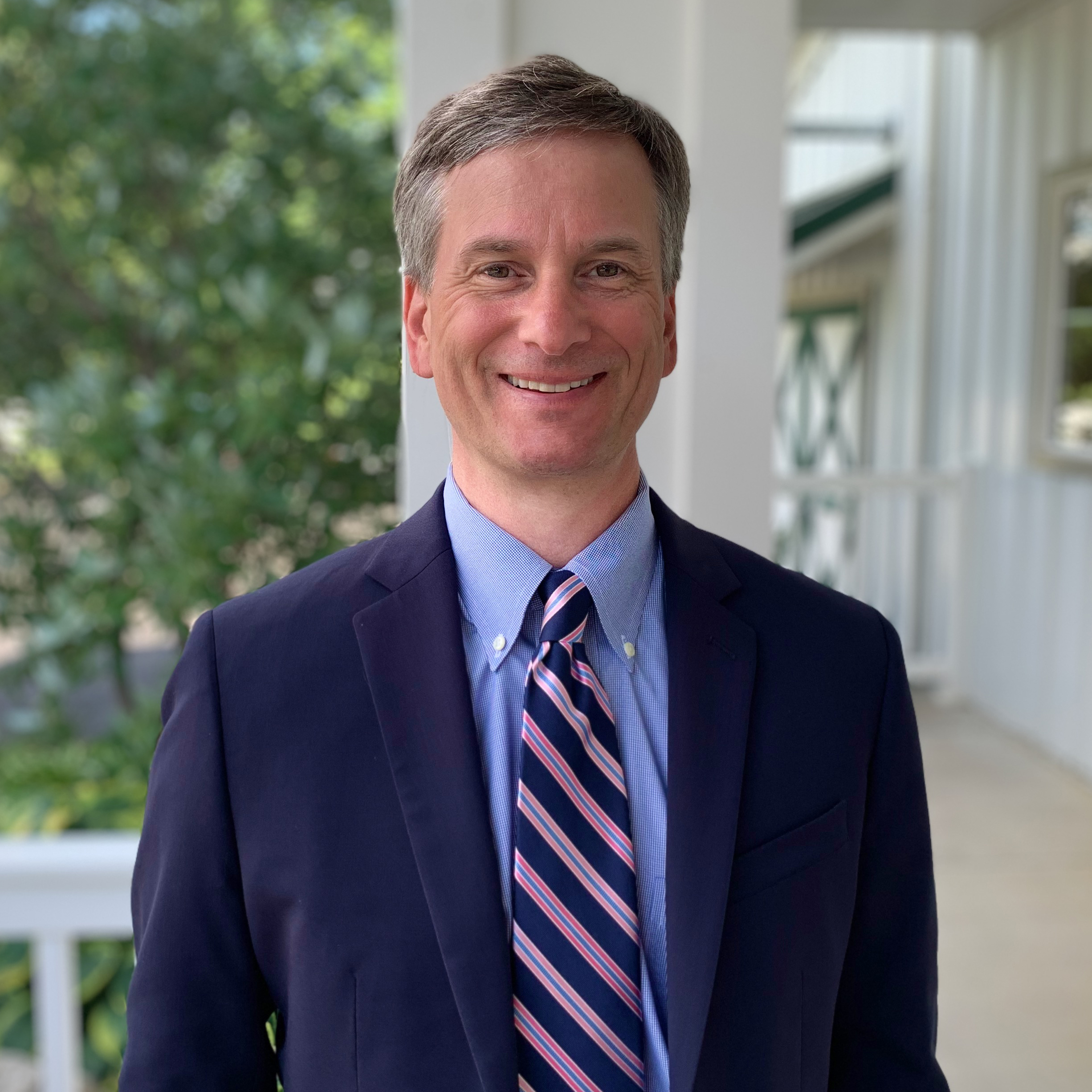 Joshua Wood, LPC joined Expat Exchange in 2000 and serves as one of its Co-Presidents. He is also one of the Founders of Digital Nomad Exchange. Prior to Expat Exchange, Joshua worked for NBC Cable (MSNBC and CNBC
Primetime). Joshua has a BA from Syracuse and a Master's in Clinical and Counseling Psychology from Fairleigh Dickinson University. Mr. Wood is also a licensed counselor and psychotherapist.
Joshua Wood, LPC joined Expat Exchange in 2000 and serves as one of its Co-Presidents. He is also one of the Founders of Digital Nomad Exchange. Prior to Expat Exchange, Joshua worked for NBC Cable (MSNBC and CNBC
Primetime). Joshua has a BA from Syracuse and a Master's in Clinical and Counseling Psychology from Fairleigh Dickinson University. Mr. Wood is also a licensed counselor and psychotherapist.
Some of Joshua's articles include Pros and Cons of Living in Portugal, 10 Best Places to Live in Ireland and Pros and Cons of Living in Uruguay. Connect with Joshua on LinkedIn.
Additional Information: