India
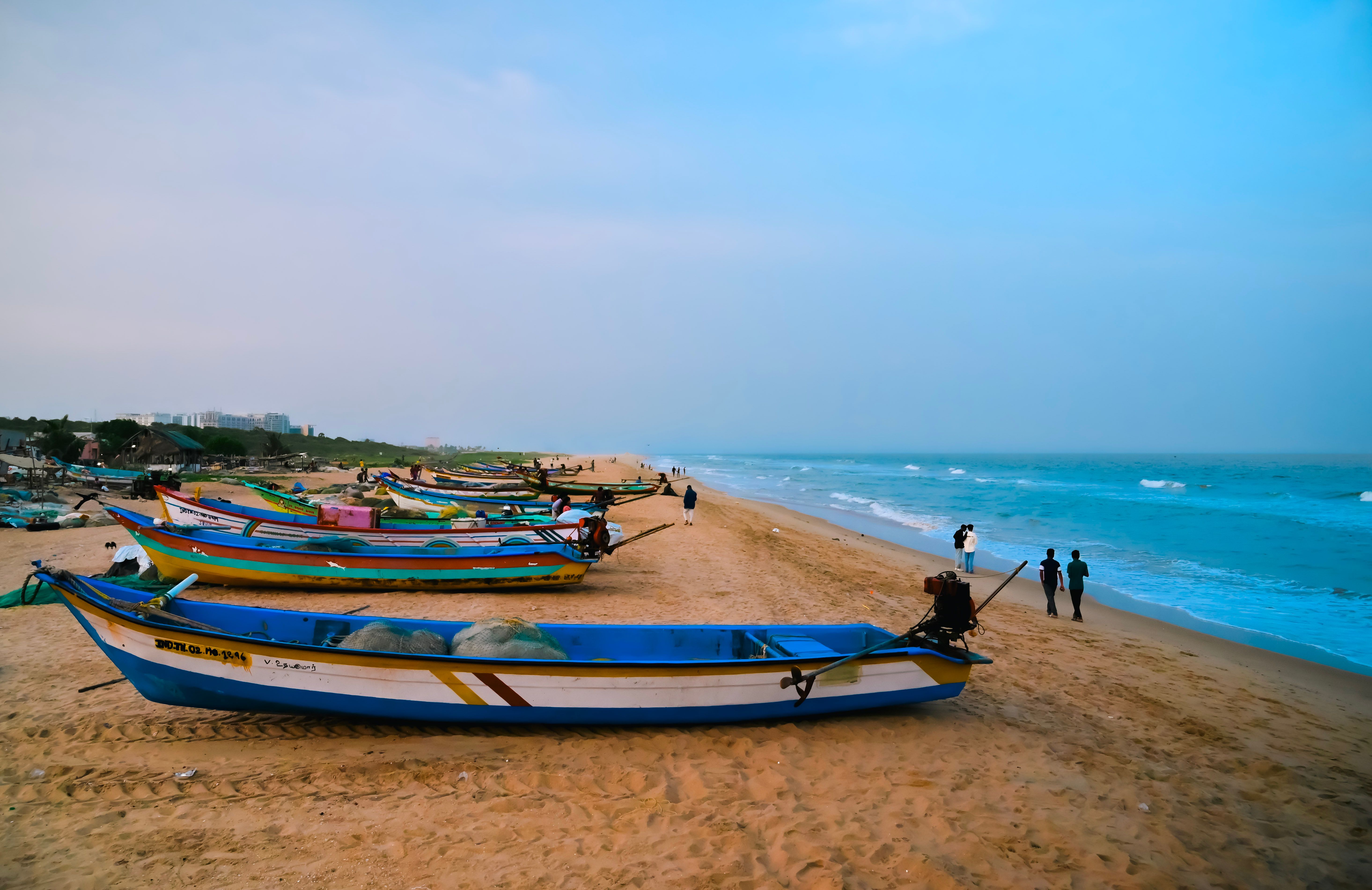
Coastal BeachesIndia is a vast South Asian nation of over 1.4 billion people, spanning diverse landscapes from the Himalayas in the north to tropical coasts in the south. The country is known for its rich cultural heritage, ancient civilizations, and spiritual traditions including Hinduism, Buddhism, Islam, and Sikhism. India's economy is one of the world's largest and fastest-growing, with a mix of traditional agriculture, modern technology sectors, and manufacturing industries. Life in India varies dramatically by region and city—major metropolitan areas like Delhi, Mumbai, and Bangalore offer cosmopolitan lifestyles with modern amenities, while rural areas maintain traditional ways of living. The country is famous for its cuisine, festivals, Bollywood film industry, and diverse languages and customs. Relocating to India offers opportunities in tech, business, and education, though adjustment to population density, traffic, and infrastructure variations is common.
 PassportCard Expat Health Insurance
Get Quote
Never worry about paying your medical bills out of pocket again. The innovative PassportCard allows for a stress-free experience for all expat families, remote travelers, and workers. With a 24/7 customer service and an outstanding customer base of over 2 Million clients, it will feel like medical care at home. Get up to 10% off on your policy now.
PassportCard Expat Health InsuranceNever worry about paying your medical bills out of pocket again. The innovative PassportCard allows for a stress-free experience for all expat families, remote travelers, and workers. With a 24/7 customer service and an outstanding customer base of over 2 Million clients, it will feel like medical care at home. Get up to 10% off on your policy now.
Get Quote
Podcasts

Episode 6: Jake Barber - Expat Finance Expert and Lifelong Expat



Episode 8: Jake Barber - The Expat Finance Expert Returns
Living in India
Best Places to Live in India
Visa & Residency
Obtaining a residency in India involves several steps and the process can vary depending on the type of visa applied for. The most common types of visas for expats seeking residency are the Employment Visa and the Entry (X) Visa. The Employment Visa is designed for foreigners who are taking up employment in India. To qualify, applicants must have a job offer from an Indian company and the salary must exceed a certain threshold. The application process involves submitting a visa application form, passport-sized photographs, a valid passport, proof of employment, and the requisite fee. The Entry (X) Visa is for individuals of Indian origin and their family members, as well as for those coming to India for volunteer work or to accompany a spouse or family member who is in India on a long-term visa, such as an Employment Visa. The process for obtaining these visas typically starts with filling out an online application form and scheduling an appointment at the nearest Indian consulate or embassy. Applicants must provide various documents, including a passport with at least six months' validity, passport-sized photographs, and supporting documents relevant to the type of visa, such as a job offer letter for an Employment Visa or proof of Indian origin for an Entry (X) Visa. The difficulty of the process can vary based on the applicant's nationality, the completeness of their application, and the specific requirements of the local Indian consulate or embassy. Generally, the process is considered average in terms of difficulty, but it can be time-consuming and requires attention to detail to ensure all requirements are met. Once the application is submitted, it is reviewed by the consulate or embassy, and if approved, the visa is stamped into the applicant's passport. The duration of the visa can vary; Employment Visas can be issued for the duration of the contract, up to a maximum of five years, while Entry (X) Visas can also be issued for up to five years and can be extended in India. It is important to note that all foreign nationals must register with the Foreigners Regional Registration Office (FRRO) within 14 days of arrival in India if they are planning to stay for more than 180 days.
Healthcare in India
The healthcare system in India is a mix of public and private sector providers. The public healthcare system is made accessible to all Indian citizens and is mostly free, but it often suffers from underfunding, overcrowding, and limited rural coverage. Private healthcare in India is known for its higher quality and efficiency but comes at a cost, making it less accessible to the lower-income population. India has a vast network of hospitals and clinics, and it is also a popular destination for medical tourism due to the relatively low cost and high quality of its private medical services. Expats and digital nomads can access public healthcare by registering with the local government health system, but many opt for private health insurance to ensure access to private hospitals and clinics, which offer shorter wait times and more comfortable facilities.
Cost of Living
India offers a low cost of living compared to Western countries, with housing costs varying significantly by city and location. In major metros like Mumbai and Delhi, rental apartments range from $300-800 USD monthly for modest accommodations, while property purchases average $2,000-5,000 USD per square meter in city centers. Outside major cities, costs drop substantially—rural and tier-2 city housing can be 50-70% cheaper. Daily expenses including food, transportation, and utilities are very affordable, with a comfortable lifestyle possible on $800-1,500 USD monthly in most cities.
Weather
India experiences three main seasons: a hot summer (March-May) with temperatures often exceeding 40°C (104°F), a monsoon season (June-September) bringing heavy rainfall particularly to coastal and western regions, and a cooler winter (October-February) with mild temperatures in most areas. Northern regions experience more pronounced seasonal variation with cold winters, while southern and coastal areas remain warm year-round. The monsoon season is critical for agriculture but can cause flooding in some areas. Humidity levels are generally high, especially during and after the monsoon season.
Educational System in India
The educational system in India is vast and diverse, catering to over 1.3 billion people. It is structured into different levels: pre-primary, primary, upper primary, secondary, and higher secondary. Education in India is overseen by both the central and state governments, with various boards governing school education, including the CBSE, ICSE, and state boards. Children typically start school at the age of 3 or 4 with kindergarten, followed by 1st grade at the age of 6. The primary school runs from 1st to 5th grade, upper primary from 6th to 8th grade, secondary from 9th to 10th grade, and higher secondary from 11th to 12th grade. After completing the 10th grade, students take a set of board exams, which are crucial for determining their academic stream in the higher secondary level, where they choose between arts, commerce, or science streams. The school year in India usually runs from April to March, and the medium of instruction varies, including English, Hindi, and other regional languages. The quality of education can vary significantly, with private schools generally offering better facilities and learning environments than many government schools. However, there are also centers of excellence among government schools, especially in urban areas. After completing the 12th grade, students take another set of board exams, which are critical for university admissions. The Indian government has been working on initiatives to improve the educational infrastructure and quality, aiming to provide inclusive and equitable quality education for all.
Living in India
Healthcare in India
Best Places to Live in India
Moving to India