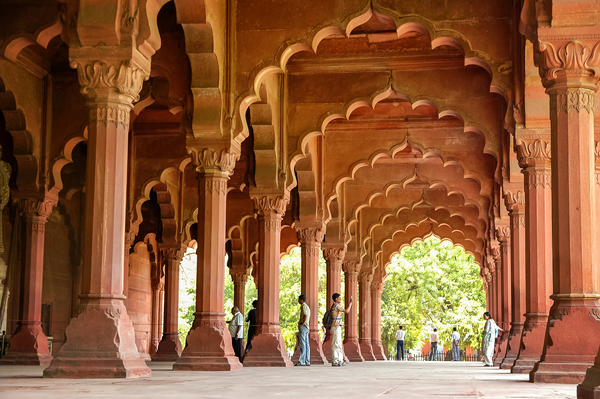
10 Things to Know Before Moving to India

Summary: If you're planning a move to India, here are 10 things expats living there wish they had known before moving to India.
Moving to India can be an exciting and life-changing adventure. The vibrant culture, rich history, and warm people make it an attractive destination for expats. However, like any significant move, it requires careful consideration and preparation. Here are ten essential things you should know before packing your bags and setting off to make India your new home.
1. Understanding the Cultural Diversity
India is a land of staggering diversity, with numerous languages, religions, and traditions coexisting. It's crucial to respect and understand these cultural nuances. For instance, greetings may vary from state to state. In many parts of India, people greet each other with 'Namaste,' a gesture accompanied by a slight bow with hands pressed together. Learning about India's cultural diversity will not only help you avoid faux pas but also enrich your experience.
2. Navigating the language Barrier
While English is widely spoken, especially in urban areas, it's helpful to learn basic phrases in local languages. Hindi is the most commonly spoken language, but there are 21 other official languages. In Delhi, you might greet someone with 'Namaskaar,' while in Chennai, 'Vanakkam' is more common. Locals appreciate it when expats make an effort to communicate in their language, and it can help foster a sense of belonging.
3. Preparing for the Weather
India's climate varies significantly from region to region. In the north, you'll experience harsh winters and scorching summers, while the south has a more tropical climate. Monsoons are a common phenomenon across the country. Be prepared for extreme weather conditions and pack accordingly. Anecdotally, many expats find the heat in summer challenging, so plan your activities and travel accordingly.
4. Exploring the Culinary Scene
Indian cuisine is renowned worldwide for its rich flavors and aromatic spices. However, it's essential to ease into it, as it can be quite different from what you're used to. Street food is a delight, but be cautious initially to avoid stomach upsets. Many expats swear by starting with milder dishes like biryani or naan with butter chicken before venturing into more adventurous territory.
5. Understanding Local Customs
India has a rich tapestry of customs and traditions that can be quite different from Western norms. For example, it's customary to remove your shoes before entering someone's home. Additionally, the concept of personal space is different; people may stand closer to you than you're comfortable with. Understanding and respecting these customs will help you integrate more smoothly into society.
6. Mastering Public Transportation
Public transportation in India can be an adventure in itself. Buses, auto-rickshaws, and trains are common modes of transport. In cities like Mumbai, local trains are a lifeline, while in Delhi, the metro system is extensive and efficient. Be prepared for crowded conditions during peak hours. Many expats find that using apps for booking cabs and auto-rickshaws makes their commute much more manageable.
7. Health and Wellness
Healthcare in India ranges from top-notch private hospitals to more basic public facilities. It's advisable to have health insurance that covers medical expenses. Additionally, practices like yoga and Ayurveda are deeply ingrained in the culture and can provide holistic wellness options. Many expats embrace these practices, finding them beneficial for both physical and mental health.
8. Safety and Security
Like any other country, India has its share of safety concerns. It's important to stay aware of your surroundings, especially in crowded places. Avoid flaunting valuables and be cautious with your belongings. Women, in particular, should be mindful of personal safety. Many expats find that joining local expat groups can provide a support network and helpful advice on staying safe.
9. Embracing the Festivals
India is known for its vibrant festivals, which are an integral part of the culture. From Diwali, the festival of lights, to Holi, the festival of colors, each celebration is a unique experience. Participating in these festivals is a great way to immerse yourself in the local culture and make friends. Many expats find that these festivals are some of their most cherished memories of living in India.
10. Adapting to the Pace of Life
The pace of life in India can be both exhilarating and overwhelming. Cities are bustling with activity, and traffic can be chaotic. However, there's also a sense of timelessness and patience that permeates daily life. It's essential to adapt to this rhythm. Many expats find that embracing a slower pace and adopting a more flexible mindset helps them enjoy their experience more fully.
Moving to India is a journey filled with rich experiences and cultural insights. By understanding and preparing for these ten aspects, you can make your transition smoother and your stay more enriching. Embrace the vibrancy, respect the traditions, and immerse yourself in the unique tapestry that is India.
Expats talk about moving to India
"Mussoorie is a hill station--and because of that, most directions include "up from" or "down past", and they're meant in the vertical sense. Be ready and able to walk, or get yourself a driver's license for a car, motorbike or scooter if you're not going to want to walk. Except for the monsoon, the climate is pretty mild. You can buy just about everything you'll need here or down the mountain in Dehradun, so pack your personal sentimental things - furniture, clothing, pots and pans, etc. are all readily available," said one expat living in Mussoorie.
"For the move itself, don't bring too much. Most domestic items can be found very cheaply here, so long as you steer away from the malls. Bear in mind that unfurnished here means not just no furniture but no air conditioners, appliances and so forth. Make sure you know exactly what is included. Don't be shy about asking for things such as new mattresses and also new furniture if it looks well used! Power blackouts are common. Make sure you have generator back-up or at least an inverter (battery back up) or you'll spend a lot of time in the dark. Don't expect an oven, very few places have them. We only saw one apartment with an oven (which we now live in, but that wasn't the deciding factor). Microwaves are smaller than in the US but you can get combination microwaves that also double as a convection oven. You won't be cooking big turkeys so a small oven shouldn't be too troublesome. Insist on a water purifier. When you arrive start out with bottled water and after several weeks convert to the purifed water and your stomach should adapt pretty well. Decide before packing whether you will choose to live in unfurnished, partially furnished or furnished. A colleague packed assuming he'd find an unfurnished apartment but wasn't able to find one (mostly furnished here) and now he and his wife are having to try and store furniture that they brought from the US. No easy task. For neighborhood, I can't comment on areas that we don't live in but we really like where we live in the Boat Club Road area as there is plenty to do within easy walking distance. Don't try to wait it out until you dream home turns up. It won't and it is better, in our view, to get settled quickly. Nothing ever seems to be quite finished, so expect teething problems and don't get hot under the collar about them as you'll waste a lot of emotional energy to no avail. It's different here! Get to know your neighbors, especially the locals as we have found them to be unfailingly friendly and helpful - our immediate neighbor arranged a dinner party to welcome us and introduce us to some other neighbors within a week of arrival. The little tips they can help you with can make life much easier - such as one of the local grocery type stores delivers and so our neighbor took our list and called them and we had all the cleaning stuff we needed, you know mops, brooms, trashcans, and so on within an hour of moving in without the hassle of having to shop for them and far cheaper than had we bought them at one of the supermarkets that expats tend to gravitate towards, at least in their early days in country. Find your nearest little photo store and get a couple of dozen passport photos done as soon as you arrive. You'll need them as they are obligatory for even routine stuff like getting a contract to deliver propane (which your cooker works on), cellphone, aircard, lease registration and so many other things. Carry your passport. You'll need it for ID purposes a lot in the early days. In Pune, shop on MG Road (Mahatma Gandhi Road). There are some great little stores and you'll get most of what you need at much less cost than in the malls and it's a lot more fun too. Don't be afraid to buy your groceries from the markets. Sure the vegetables have a shorter shelf life than in the US, but Indians buy every day and many don't have fridges. You'll need to wash them thoroughly (using purified water) before use, but then you should back home too! The most important advice? Don't fight the place, you'll have gone home again before it changes that much. Relax, get into the flow and enjoy India and if you do it's an adventure and a wonderful place to live," wrote a member in Pune.
"To get in touch with someone who has been or knows somebody in that city, before and after coming, as Indians are generally very hospitable and like to help others, The fact is that almost every second household has someone from the family settled abroad ( Worldwide )," said one expat living in Hyderabad.
About the Author
 Betsy Burlingame is the Founder and President of Expat Exchange and is one of the Founders of Digital Nomad Exchange. She launched Expat Exchange in 1997 as her Master's thesis project at NYU. Prior to Expat Exchange, Betsy worked at AT&T in International
and Mass Market Marketing. She graduated from Ohio Wesleyan University
with a BA in International Business and German.
Betsy Burlingame is the Founder and President of Expat Exchange and is one of the Founders of Digital Nomad Exchange. She launched Expat Exchange in 1997 as her Master's thesis project at NYU. Prior to Expat Exchange, Betsy worked at AT&T in International
and Mass Market Marketing. She graduated from Ohio Wesleyan University
with a BA in International Business and German.
Some of Betsy's articles include 12 Best Places to Live in Portugal, 7 Best Places to Live in Panama and 12 Things to Know Before Moving to the Dominican Republic. Betsy loves to travel and spend time with her family. Connect with Betsy on LinkedIn.
Additional Information:
- India Guide
- Healthcare & Health Insurance in India
- Members Talk about Healthcare & Health Insurance in India
- Best Places to Live in India
- Real Estate in India
- Guide to Real Estate in India
- Pros & Cons of Living in India
- Cost of Living in India
- Top Hospitals in India by Specialty
- Best Places to See While on a Look-See Trip to India (Plus, Itineraries)
- Moving to India with a Pet
- Understanding Mental Health in India
- 2026 Guide to Living in India
- Pros and Cons of Living in India 2026
- 2026 Guide to Moving to India