

Chikungunya Disease in Bangladesh


Summary: If you're a moving to Bangladesh or recently arrived, it's important to know about Chikungunya Disease, which is transmitted by mosquitoes. Chikungunya is sometimes misdiagnosed as Zika Virus. Unfortunately, many report long-term joint pain following the initial illness.
If you've recently moved to Bangladesh or are planning to, it's essential to be aware of Chikungunya Disease, spread by mosquitoes. This illness is frequently confused with the Zika Virus, and many suffer from persistent joint pain after recovering from the initial symptoms.
Chikungunya virus, a mosquito-borne illness, has emerged as a significant public health concern in Bangladesh. Characterized by symptoms such as high fever, severe joint pain, and rash, this viral disease can lead to prolonged discomfort and potential long-term health issues. Understanding the dynamics of Chikungunya in Bangladesh is crucial for both residents and expatriates to take preventive measures and seek appropriate medical care.
What is Chikungunya Disease (symptoms, duration of illness, long lasting effects)?
Chikungunya disease is a viral infection transmitted by the bite of infected mosquitoes, primarily the Aedes aegypti and Aedes albopictus species. The name 'Chikungunya' originates from an African language, meaning "to become contorted," referring to the stooped posture developed by patients due to severe joint pain. Symptoms typically appear 3-7 days after the mosquito bite and include high fever, severe joint pain (especially in the hands and feet), muscle pain, headache, nausea, and rash. The acute phase of the illness usually lasts for a week, but joint pain can persist for months or even years in some cases. Long-lasting effects may include chronic joint pain, fatigue, and depression, significantly impacting the quality of life.
Where is Chikungunya most prevalent in Bangladesh?
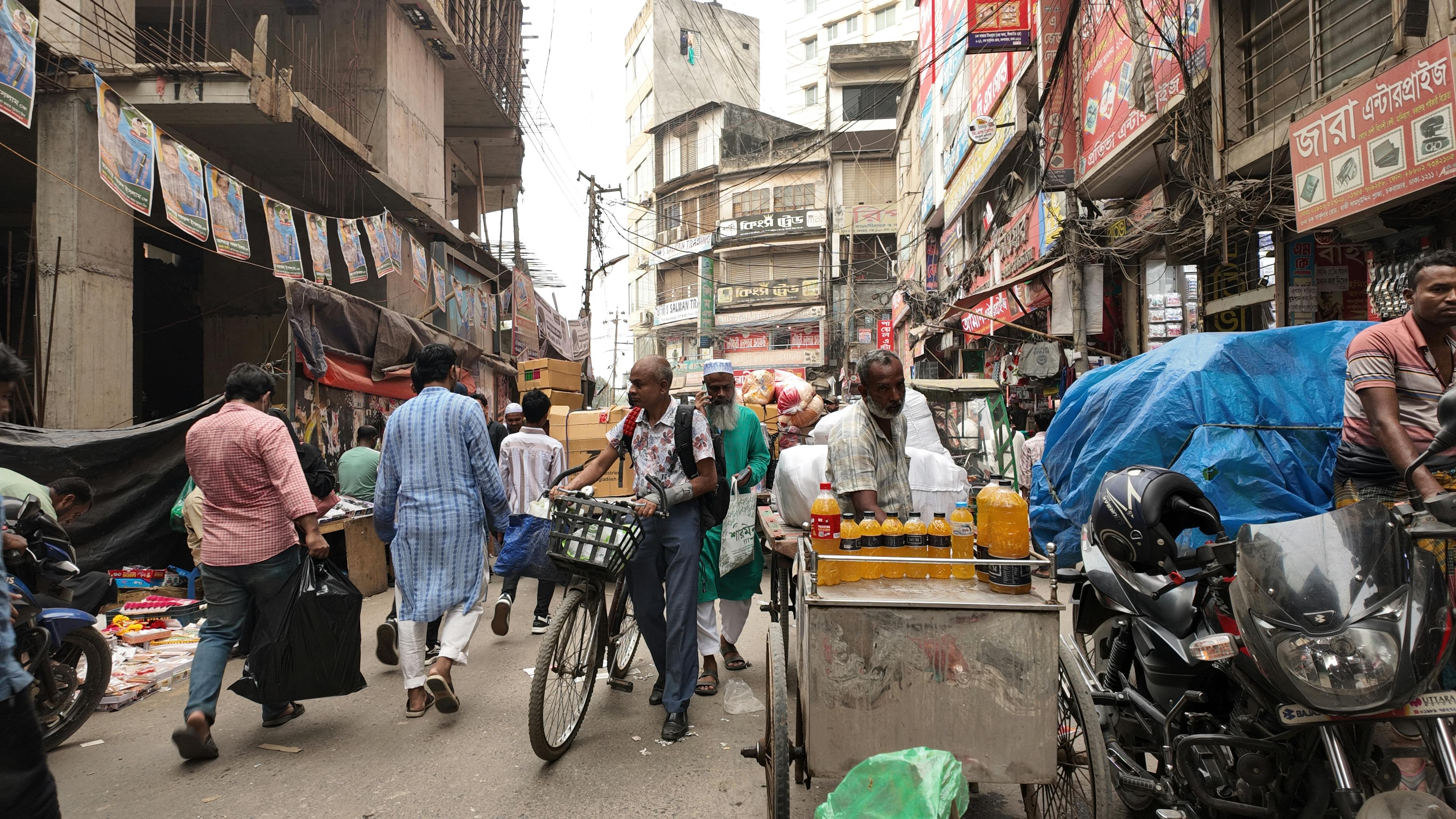
Chikungunya is most prevalent in areas of Bangladesh with high mosquito populations, particularly in urban and semi-urban environments. The capital city, Dhaka, has been a hotspot for Chikungunya outbreaks due to its dense population, inadequate waste management, and waterlogging, which create ideal breeding grounds for mosquitoes. Other major cities like Chittagong, Khulna, and Rajshahi have also reported significant cases of Chikungunya. Rural areas are not exempt, especially those with poor sanitation and standing water bodies.
How do Expats in Bangladesh Prevent Mosquito Bites?
Expats in Bangladesh can take several preventive measures to protect themselves from mosquito bites and reduce the risk of Chikungunya infection. These include using mosquito repellents containing DEET, picaridin, or IR3535 on exposed skin and clothing. Wearing long-sleeved shirts, long pants, and socks when outdoors, especially during peak mosquito activity periods (dawn and dusk), is also recommended. Installing mosquito nets over beds and using air conditioning or window screens can help keep mosquitoes out of living spaces. Additionally, expats should eliminate standing water in and around their residences to prevent mosquito breeding.
What if I get Chikungunya Virus in Bangladesh?
If you suspect you have contracted Chikungunya virus in Bangladesh, it is essential to seek medical attention promptly. Although there is no specific antiviral treatment for Chikungunya, supportive care can help alleviate symptoms. This includes rest, hydration, and medications to reduce fever and pain, such as acetaminophen or paracetamol. Aspirin and non-steroidal anti-inflammatory drugs (NSAIDs) should be avoided until dengue fever has been ruled out to reduce the risk of bleeding complications. In severe cases, hospitalization may be required for intravenous fluid replacement and monitoring.
Is Chikungunya Virus Contagious?
Chikungunya virus is not contagious through direct person-to-person contact. It is primarily transmitted through the bite of infected mosquitoes. However, there have been rare cases of vertical transmission from mother to child during childbirth and potential transmission through blood transfusions. Therefore, it is essential to avoid mosquito bites, especially when caring for someone with Chikungunya, to prevent the spread of the virus.
Does Chikungunya Virus more dangerous for children, elderly or immune-compromised?
Chikungunya virus can be more severe in certain populations, including newborns, adults over 65, and individuals with underlying medical conditions such as hypertension, diabetes, or heart disease. These groups are at a higher risk of developing severe symptoms and complications. Additionally, people with compromised immune systems may experience more prolonged and intense symptoms. Pregnant women should also take extra precautions, as vertical transmission is possible, although the risks to the fetus are not fully understood. Close monitoring and supportive care are crucial for vulnerable populations infected with Chikungunya.
About the Author
 Joshua Wood, LPC joined Expat Exchange in 2000 and serves as one of its Co-Presidents. He is also one of the Founders of Digital Nomad Exchange. Prior to Expat Exchange, Joshua worked for NBC Cable (MSNBC and CNBC
Primetime). Joshua has a BA from Syracuse and a Master's in Clinical and Counseling Psychology from Fairleigh Dickinson University. Mr. Wood is also a licensed counselor and psychotherapist.
Joshua Wood, LPC joined Expat Exchange in 2000 and serves as one of its Co-Presidents. He is also one of the Founders of Digital Nomad Exchange. Prior to Expat Exchange, Joshua worked for NBC Cable (MSNBC and CNBC
Primetime). Joshua has a BA from Syracuse and a Master's in Clinical and Counseling Psychology from Fairleigh Dickinson University. Mr. Wood is also a licensed counselor and psychotherapist.
Some of Joshua's articles include Pros and Cons of Living in Portugal, 10 Best Places to Live in Ireland and Pros and Cons of Living in Uruguay. Connect with Joshua on LinkedIn.
Additional Information:
- Bangladesh Guide
- Healthcare & Health Insurance in Bangladesh
- Members Talk about Healthcare & Health Insurance in Bangladesh
- Best Places to Live in Bangladesh
- Real Estate in Bangladesh
- Guide to Real Estate in Bangladesh
- Pros & Cons of Living in Bangladesh
- Cost of Living in Bangladesh
- Do I need Health Insurance When Moving to Bangladesh?
- Having a Baby in Bangladesh
- Health Insurance in Bangladesh
- Best Places to Visit in Bangladesh for Christmas Cheer
- Pros and Cons of Living in Bangladesh 2026