Pros and Cons of Living in Uruguay


Summary: If you're moving to Uruguay, it's important to learn about both the Pros AND Cons of living in Uruguay.
Are you considering an international move to Uruguay? Nestled between Brazil and Argentina, this South American gem offers a unique blend of European and Latin American influences. With its rich culture, beautiful landscapes, and stable politics, Uruguay has become an attractive destination for expats. But what are the pros and cons of living in Uruguay? Let's delve into the details to help you make an informed decision.
Pros of Living in Uruguay
Stability and Safety
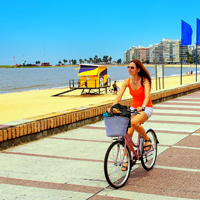
Uruguay stands out in South America for its political stability and low levels of corruption. It consistently ranks high in regional surveys on democracy, peace, and quality of life. Walking along the Rambla in Montevideo, you'll see people jogging, cycling, and enjoying mate—a traditional herbal drink—at all hours, reflecting the country's relaxed and safe atmosphere. Unlike some of its neighbors, Uruguay has managed to avoid political turmoil and maintain a strong democratic tradition.
High Quality of Life
Uruguay offers a high quality of life, with a good balance between work and leisure. The country boasts a well-developed healthcare system, both public and private, and an excellent education system, including free public universities. The capital, Montevideo, provides all the amenities of a big city, from cultural events to gastronomic delights. Yet, it retains a small-town feel, with friendly locals and a slower pace of life. In smaller towns like Colonia del Sacramento, a UNESCO World Heritage site, the laid-back lifestyle is even more pronounced.
Beautiful Landscapes and Climate
From the pristine beaches of Punta del Este to the rolling hills of the countryside, Uruguay's landscapes are diverse and captivating. The climate is generally temperate, with warm summers and mild winters, making it an ideal destination for those who enjoy outdoor activities. Whether you're a fan of water sports, hiking, or simply relaxing on the beach, Uruguay has something to offer. The stunning sunsets over the Rio de la Plata are a sight to behold and a daily reminder of the country's natural beauty.
Cultural Richness
Uruguay's culture is a vibrant blend of European and Latin American influences. The country is renowned for its music, particularly tango and candombe, which fill the streets during Carnival. Art lovers will appreciate the numerous museums and galleries, while food enthusiasts can indulge in the local cuisine, which includes delicious asados (barbecues) and seafood dishes. Uruguayans are also passionate about sports, particularly football, and the national team's matches are always a lively affair.
LGBTQ+ Friendly
Uruguay is one of the most progressive countries in South America when it comes to LGBTQ+ rights. Same-sex marriage has been legal since 2013, and the country has strong anti-discrimination laws. Montevideo, in particular, has a thriving LGBTQ+ community and hosts an annual Pride parade. This open-mindedness contributes to the country's overall welcoming atmosphere.
Cons of Living in Uruguay
High Cost of Living
While Uruguay offers many advantages, it also has one of the highest costs of living in South America. Imported goods, electronics, and cars are particularly expensive due to high taxes. real estate prices, especially in popular areas like Punta del Este, can be comparable to those in major European or North American cities. For those coming from countries with a lower cost of living, the price difference can be a shock. One expat recalled, "I was surprised to find that my grocery bill in Montevideo was higher than it had been in London."
Economic Stagnation and Inflation
Uruguay's economy has been stagnant in recent years, with slow growth and high inflation. This economic uncertainty can make it difficult for expats to find jobs or start businesses. The job market is competitive, and wages are often lower than in other countries with a similar cost of living. Inflation also affects the purchasing power of both locals and expats, making it challenging to plan for the future.
Language Barrier
While many Uruguayans speak some English, the primary language is Spanish. Expats who do not speak Spanish may find it difficult to navigate daily life, from dealing with government bureaucracy to socializing with locals. Language barriers can also limit job opportunities. Learning Spanish is essential for integrating into Uruguayan society and accessing the full range of experiences the country has to offer.
Bureaucracy and Inefficiency
Uruguay is known for its bureaucracy, which can be frustrating for expats used to more streamlined processes. Opening a bank account, getting a driver's license, or dealing with immigration paperwork can be time-consuming and complicated. The pace of life in Uruguay is slower, and this extends to government services and business dealings. One expat shared, "It took me three months and countless visits to different offices to get my residency permit. Patience is key in Uruguay."
Limited Job Opportunities
For expats looking to work in Uruguay, job opportunities can be limited. The job market is competitive, and Uruguayan employers often prioritize local candidates. Expats may need to create their own opportunities by starting a business or working remotely. Networking is crucial, as many jobs are filled through personal connections. The economic slowdown has also affected the job market, making it even more challenging for expats to find work.
Climate Variability
While Uruguay's climate is generally temperate, it can also be unpredictable. Summers can be hot and humid, with temperatures reaching up to 40°C (104°F). Winters, while mild, can be rainy and windy, making it feel colder than the actual temperature. The weather can change rapidly, with storms and strong winds sweeping in from the Atlantic. This variability can take some getting used to, especially for those coming from more stable climates.
Living in Uruguay has its pros and cons, and the experience will vary depending on individual circumstances and preferences. For some, the high quality of life, beautiful landscapes, and cultural richness will outweigh the economic challenges and bureaucracy. For others, the language barrier and limited job opportunities may prove too daunting. Ultimately, the best way to decide is to visit Uruguay, experience the local culture, and talk to other expats about their experiences. With an open mind and a willingness to adapt, Uruguay can be a rewarding place to call home.
About the Author
 Betsy Burlingame is the Founder and President of Expat Exchange and is one of the Founders of Digital Nomad Exchange. She launched Expat Exchange in 1997 as her Master's thesis project at NYU. Prior to Expat Exchange, Betsy worked at AT&T in International
and Mass Market Marketing. She graduated from Ohio Wesleyan University
with a BA in International Business and German.
Betsy Burlingame is the Founder and President of Expat Exchange and is one of the Founders of Digital Nomad Exchange. She launched Expat Exchange in 1997 as her Master's thesis project at NYU. Prior to Expat Exchange, Betsy worked at AT&T in International
and Mass Market Marketing. She graduated from Ohio Wesleyan University
with a BA in International Business and German.
Some of Betsy's articles include 12 Best Places to Live in Portugal, 7 Best Places to Live in Panama and 12 Things to Know Before Moving to the Dominican Republic. Betsy loves to travel and spend time with her family. Connect with Betsy on LinkedIn.
Additional Information:
- Uruguay Guide
- Healthcare & Health Insurance in Uruguay
- Members Talk about Healthcare & Health Insurance in Uruguay
- Best Places to Live in Uruguay
- Real Estate in Uruguay
- Guide to Real Estate in Uruguay
- Pros & Cons of Living in Uruguay
- Cost of Living in Uruguay
- Health Insurance in Uruguay
- Best Places to Visit in Uruguay for Christmas Cheer
- Christmas in Uruguay
- Dengue Virus in Uruguay
- 2026 Guide to Living in Uruguay
- Pros and Cons of Living in Uruguay 2026
- 2026 Guide to Moving to Uruguay