How to Buy a Home in Liechtenstein


Summary: Real Estate Liechtenstein, Homes for Sale in Liechtenstein The one tip that you hear expats living in Liechtenstein repeatedly sharing with newcomers is not to buy a home when you first move to Liechtenstein. Rent for a few months or longer so that you have time to find the right neighborhood. Give yourself time to ensure that Liechtenstein is right for you for the long term. If you've already taken time to do those things and are ready to take the plunge and become a property owner, here are tips about buying a home in Liechtenstein. Seasoned expatriates recommend a cautious approach to newcomers eager to settle down�avoid the rush to purchase property upon arrival. Instead, consider the benefits of renting in Liechtenstein during your initial months. This strategy allows you the flexibility to explore various neighborhoods and truly decide if the local lifestyle aligns with your long-term expectations. Once you've acclimated and are certain that Liechtenstein is your future home, here are tips on how to buy a home in Liechtenstein.
Liechtenstein, nestled between Switzerland and Austria, is an enticing destination for expats seeking a high quality of life, stunning alpine landscapes, and a thriving economy. Buying a home in Liechtenstein can be an exciting venture, but it's essential to understand the local real estate market, legal requirements, and potential pitfalls. This guide will walk you through the process of purchasing a property in Liechtenstein as an expat.
How do I find houses for sale in Liechtenstein?
To find houses for sale in Liechtenstein, start by exploring online real estate platforms, local newspapers, and real estate agency websites. Some popular online portals include Homegate, ImmoScout24, and local agency sites such as Vogt Immobilien or Engel & Völkers. Additionally, networking with locals and other expats can provide valuable insights and leads on available properties.
Are there restrictions on foreigners owning property in Liechtenstein?
Yes, Liechtenstein has restrictions on foreign property ownership. Non-resident foreigners typically require a permit to purchase real estate. To obtain a permit, foreign buyers must demonstrate a strong connection to the country, such as permanent residency or a long-term work permit. Additionally, foreigners may only buy property for personal use, not for investment purposes. Some foreign buyers may form a legal entity in Liechtenstein to circumvent these restrictions, but it's crucial to consult with a legal expert before doing so.
Does Liechtenstein have an MLS type system?
Liechtenstein does not have a centralized Multiple Listing Service (MLS) system like the one found in the United States. Instead, real estate listings are scattered across various online platforms, local newspapers, and real estate agency websites. This fragmentation makes it essential to explore multiple sources when searching for properties.
Do brokers have licenses and how do I know if they are licensed?
In Liechtenstein, real estate agents and brokers do not require a specific license to operate. However, professional real estate agencies typically belong to industry associations, such as the Liechtenstein Real Estate Association (Liechtensteiner Immobilienverband). To ensure you're working with a reputable broker, look for membership in these associations, check their track record, and ask for references from previous clients.
What documents are required when buying a home?
When buying a home in Liechtenstein, you'll need to prepare several documents. These may include a valid passport or ID card, proof of residency or work permit, a signed sales agreement, proof of funds or mortgage approval, and a notarized power of attorney if you're not present for the closing. Additionally, you may need to provide documents related to the property, such as a land registry extract, building plans, and energy performance certificates.
Do I need a lawyer when buying a home in Liechtenstein?
While it's not legally required to hire a lawyer when buying a home in Liechtenstein, it's highly recommended, especially for expats. A lawyer can help you navigate the complex legal process, review contracts, and ensure your interests are protected. Legal fees vary, but you can expect to pay between 1% and 3% of the property's purchase price for legal services. Always negotiate fees upfront and ensure you understand the scope of services provided.
Do people typically buy a property with all cash or take out a mortgage?
In Liechtenstein, both cash purchases and mortgages are common among property buyers. Mortgages are typically provided by local banks, which may require a down payment of at least 20%. Interest rates and loan terms vary, so it's essential to compare offers from different banks. Cash buyers may have an advantage in negotiations, but mortgages can provide financial flexibility.
Are there inspections that take place, and if so what is that process like?
Property inspections are not mandatory in Liechtenstein, but they are highly recommended to assess the property's condition. Hire a professional inspector to examine the property's structure, electrical systems, plumbing, and heating. The inspection process typically takes a few hours, and the inspector will provide a detailed report outlining any issues or defects. This report can help you make an informed decision about the purchase and negotiate repairs or price reductions.
What are some of the pitfalls to avoid when buying property in Liechtenstein?
Some pitfalls to avoid when buying property in Liechtenstein include not understanding the local language (German is the official language), not thoroughly researching the property market, and not seeking professional advice from lawyers and real estate agents. Additionally, be cautious of hidden costs, such as renovation expenses, property taxes, and maintenance fees. Always conduct a property inspection and ensure you have the necessary permits and approvals before committing to a purchase.
About the Author
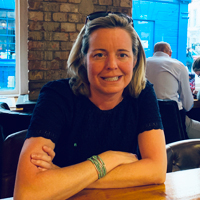 Betsy Burlingame is the Founder and President of Expat Exchange and is one of the Founders of Digital Nomad Exchange. She launched Expat Exchange in 1997 as her Master's thesis project at NYU. Prior to Expat Exchange, Betsy worked at AT&T in International
and Mass Market Marketing. She graduated from Ohio Wesleyan University
with a BA in International Business and German.
Betsy Burlingame is the Founder and President of Expat Exchange and is one of the Founders of Digital Nomad Exchange. She launched Expat Exchange in 1997 as her Master's thesis project at NYU. Prior to Expat Exchange, Betsy worked at AT&T in International
and Mass Market Marketing. She graduated from Ohio Wesleyan University
with a BA in International Business and German.
Some of Betsy's articles include 12 Best Places to Live in Portugal, 7 Best Places to Live in Panama and 12 Things to Know Before Moving to the Dominican Republic. Betsy loves to travel and spend time with her family. Connect with Betsy on LinkedIn.
Additional Information:
- Liechtenstein Guide
- Healthcare & Health Insurance in Liechtenstein
- Members Talk about Healthcare & Health Insurance in Liechtenstein
- Best Places to Live in Liechtenstein
- Guide to Real Estate in Liechtenstein
- Pros & Cons of Living in Liechtenstein
- Cost of Living in Liechtenstein
- Pros and Cons of Living in Liechtenstein 2026