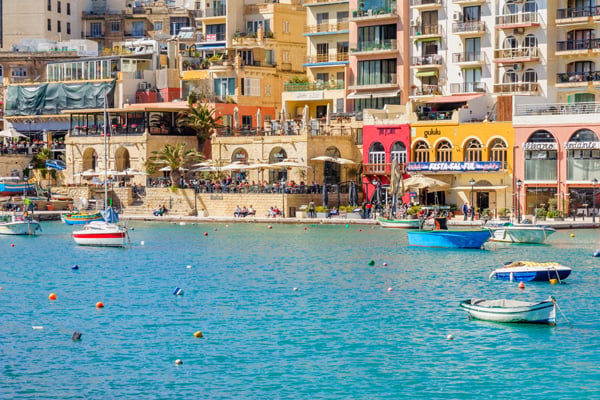
How to Buy a Home in Malta


Summary: The one tip that you hear expats living in Malta repeatedly sharing with newcomers is not to buy a home when you first move to Malta. Rent for a few months or longer so that you have time to find the right neighborhood. Give yourself time to ensure that Malta is right for you for the long term. If you've already taken time to do those things and are ready to take the plunge and become a property owner, here are tips about buying a home in Malta.
Malta, an archipelago in the Mediterranean, is an attractive destination for expats due to its rich history, pleasant climate, and favorable tax policies. Buying a home in Malta is a compelling option for many expats, but the process can seem daunting without proper guidance. This guide aims to provide a comprehensive overview of the Maltese property market and the legal aspects of purchasing a home.
How do I find houses for sale in Malta?
Finding houses for sale in Malta can be done through various methods. Online property portals, real estate agencies, and local newspapers are excellent starting points. Additionally, exploring different neighborhoods and looking for 'For Sale' signs can yield promising results. Networking with locals and other expats can also provide valuable insights into properties for sale.
Are there restrictions on foreigners owning property in Malta?
Yes, there are some restrictions on foreigners owning property in Malta. Non-EU citizens require an Acquisition of Immovable Property (AIP) permit to purchase property. This permit is typically granted for properties above a certain value, which changes periodically. EU citizens who have not resided in Malta for at least five years also require an AIP permit but face fewer restrictions. Properties located in Special Designated Areas (SDAs) are exempt from these restrictions.
Does Malta have an MLS type system?
Malta does not have a centralized Multiple Listing Service (MLS) system like those found in some other countries. Instead, real estate agents maintain their own databases of properties for sale. This means that buyers often need to consult multiple agencies to get a comprehensive view of the available properties.
Do brokers have licenses and how do I know if they are licensed?
Real estate agents in Malta are required to have a license issued by the Malta Real Estate Agents Board. To verify if a broker is licensed, you can request their license number and check it against the board's records. Licensed agents are bound by a code of ethics and must adhere to specific standards of practice.
What documents are required when buying a home?
When buying a home in Malta, you will need to provide several documents. These typically include a valid passport or ID card, a tax identification number (TIN), a utility bill as proof of address, and a bank statement or reference letter from your bank. Additionally, a preliminary agreement (konvenju) and the final deed of sale (kuntratt) are essential documents in the purchasing process.
Do I need a lawyer when buying a home in Malta?
Yes, it is highly recommended to hire a lawyer when buying a home in Malta. A lawyer will conduct necessary searches on the property, draft and review contracts, and ensure that all legal requirements are met. The cost of hiring a lawyer varies but typically ranges from 1% to 3% of the property's value. This expense is crucial to safeguard your interests and navigate the legal complexities of property acquisition.
Do people typically buy a property with all cash or take out a mortgage?
Both options are common in Malta. Many buyers choose to take out a mortgage, with local and international banks offering various financing options. Cash purchases are also prevalent, especially among foreign buyers. Mortgage terms and interest rates can vary, so it is essential to compare offers from different banks.
Are there inspections that take place, and if so what is that process like?
While not mandatory by law, property inspections are advisable. Buyers can hire independent surveyors or architects to inspect the property for any structural issues, defects, or necessary repairs. The process involves a thorough examination of the property, followed by a detailed report outlining any findings. This step can help avoid unexpected costs and ensure the property's value.
What are some of the pitfalls to avoid when buying property in Malta?
Some pitfalls to avoid include not conducting thorough research on the property and its location, failing to engage a licensed real estate agent, and not hiring a lawyer. Additionally, be cautious of properties with legal issues or disputes, and ensure all necessary permits and documents are in order. It is also crucial to understand the costs associated with property ownership, such as taxes, utility bills, and maintenance fees.
About the Author
 Joshua Wood, LPC joined Expat Exchange in 2000 and serves as one of its Co-Presidents. He is also one of the Founders of Digital Nomad Exchange. Prior to Expat Exchange, Joshua worked for NBC Cable (MSNBC and CNBC
Primetime). Joshua has a BA from Syracuse and a Master's in Clinical and Counseling Psychology from Fairleigh Dickinson University. Mr. Wood is also a licensed counselor and psychotherapist.
Joshua Wood, LPC joined Expat Exchange in 2000 and serves as one of its Co-Presidents. He is also one of the Founders of Digital Nomad Exchange. Prior to Expat Exchange, Joshua worked for NBC Cable (MSNBC and CNBC
Primetime). Joshua has a BA from Syracuse and a Master's in Clinical and Counseling Psychology from Fairleigh Dickinson University. Mr. Wood is also a licensed counselor and psychotherapist.
Some of Joshua's articles include Pros and Cons of Living in Portugal, 10 Best Places to Live in Ireland and Pros and Cons of Living in Uruguay. Connect with Joshua on LinkedIn.
Additional Information:
- Malta Guide
- Healthcare & Health Insurance in Malta
- Members Talk about Healthcare & Health Insurance in Malta
- Best Places to Live in Malta
- Real Estate in Malta
- Guide to Real Estate in Malta
- Pros & Cons of Living in Malta
- Cost of Living in Malta
- Understanding Mental Health in Malta
- Do I need Health Insurance When Moving to Malta?
- Having a Baby in Malta
- Health Insurance in Malta
- Pros and Cons of Living in Malta 2026