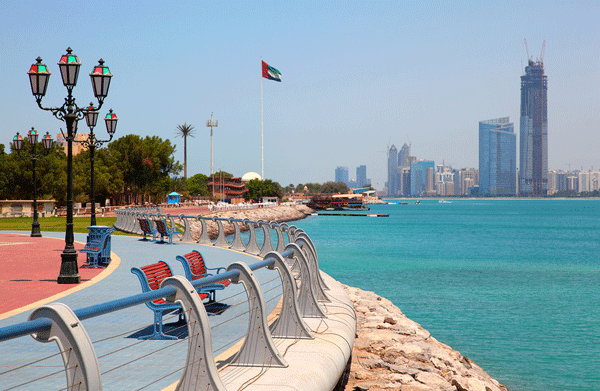


How to Buy a Home in the UAE


Summary: Real Estate the UAE, Homes for Sale in the UAE The one tip that you hear expats living in the UAE repeatedly sharing with newcomers is not to buy a home when you first move to the UAE. Rent for a few months or longer so that you have time to find the right neighborhood. Give yourself time to ensure that the UAE is right for you for the long term. If you've already taken time to do those things and are ready to take the plunge and become a property owner, here are tips about buying a home in the UAE. Seasoned expatriates recommend a cautious approach to newcomers eager to settle down�avoid the rush to purchase property upon arrival. Instead, consider the benefits of renting in the UAE during your initial months. This strategy allows you the flexibility to explore various neighborhoods and truly decide if the local lifestyle aligns with your long-term expectations. Once you've acclimated and are certain that the UAE is your future home, here are tips on how to buy a home in the UAE.
Moving to the United Arab Emirates (UAE) is an exciting venture, and buying a home can make your stay more permanent and comfortable. The UAE, known for its luxurious properties and vibrant cities, has its own set of rules and processes for expats to navigate when considering a property purchase. This guide will walk you through the essential aspects of buying a home in the UAE, providing insights into the local market, legal requirements, and practical advice.
How Do I Find Houses for Sale in the UAE?
Finding houses for sale in the UAE is straightforward, with numerous online platforms and real estate agencies catering to both local and international clients. Websites like Bayut, Dubizzle, and PropertyFinder list properties across all seven emirates. Additionally, engaging with registered real estate agents can provide personalized service and access to exclusive listings. It's essential to work with reputable agencies to ensure a smooth and secure buying process.
Are There Restrictions on Foreigners Owning Property in the UAE?
Yes, there are restrictions on foreigners owning property in the UAE. Foreign ownership is permitted in designated areas known as freehold zones. In Dubai, for example, expats can buy properties in areas like Dubai Marina, Palm Jumeirah, and Downtown Dubai. In Abu Dhabi, foreign ownership is allowed in investment zones such as Yas Island and Saadiyat Island. To circumvent these restrictions legally, some expats opt for long-term leases or purchase properties through companies registered in the UAE.
Does the UAE Have an MLS Type System?
The UAE does not have a centralized Multiple Listing Service (MLS) system like those found in the United States. Instead, real estate listings are dispersed across various platforms and agencies. This decentralization makes it crucial for buyers to work with reputable agents who have comprehensive market knowledge and access to a wide range of properties.
Do Brokers Have Licenses and How Do I Know If They Are Licensed?
Yes, real estate brokers in the UAE must be licensed to operate legally. The Real Estate Regulatory Agency (RERA) in Dubai and similar authorities in other emirates issue these licenses. To verify if a broker is licensed, you can check their credentials on the respective emirate's regulatory authority website or request to see their license. Working with licensed brokers ensures that you are protected and receive professional service.
What Documents Are Required When Buying a Home?
When buying a home in the UAE, you will need several documents. These typically include a valid passport, a UAE residence visa (if applicable), a passport-sized photograph, and a no-objection certificate (NOC) from your employer if you are an expat. Additionally, you will need to provide proof of funds or a mortgage pre-approval letter, as well as sign a Memorandum of Understanding (MOU) outlining the terms of the sale. The final step involves signing the official transfer documents at the relevant land department.
Do I Need a Lawyer When Buying a Home in the UAE?
While it is not legally required to hire a lawyer when buying a home in the UAE, engaging one can provide valuable protection and peace of mind. A lawyer can review the sales agreement, ensure your rights are protected, and assist with any legal complexities that may arise. Legal fees vary but typically range from AED 5,000 to AED 15,000 (approximately USD 1,360 to USD 4,080), depending on the property value and the scope of services provided.
Do People Typically Buy a Property with All Cash or Take Out a Mortgage?
In the UAE, both cash purchases and mortgages are common. Cash buyers often enjoy more negotiating power and faster transaction times. However, many expats opt for mortgages, which are available from various local and international banks. Mortgage regulations require a minimum down payment of 25% for expats (20% for UAE nationals), with the remaining amount financed over a specified period.
Are There Inspections That Take Place, and If So, What Is That Process Like?
Property inspections are not mandatory in the UAE, but they are highly recommended. Buyers can hire professional inspection companies to assess the property's condition, identify any defects, and provide a comprehensive report. The inspection process typically involves a visual examination of the property's structure, electrical systems, plumbing, and overall condition. This step can help buyers make informed decisions and negotiate repairs or price adjustments if necessary.
What Are Some of the Pitfalls to Avoid When Buying Property in the UAE?
When buying property in the UAE, be aware of potential pitfalls. These include working with unlicensed agents, falling for exaggerated property listings, and not thoroughly inspecting the property. Additionally, ensure that all legal documents are in order and that you understand the terms and conditions of the sale. Be cautious of hidden fees and commissions, and always conduct due diligence on the developer and the property's legal status. By taking these precautions, you can minimize risks and make a sound investment.
Expats Talk about Real Estate in UAE
"Make sure you negotiate with your employer to cover your accommodation or include high accommodation allowance. Living in a compound in a villa is the best choice - one can find many European expatriates to be among with," said one expat living in Abu Dhabi.
"You will need to make a trade-off between living "on-island" at a higher cost for a smaller place, or "off-island" for more space and a yard. Since social isolation is a big hazard, I would put a very high priority on living "on-island" rather than out in the boondocks where you need to drive long distances for amenities," wrote a member in Abu Dhabi.
"Be careful of the planned purchases. I know several people who lost hundreds of thousands of dollars because they invested inthe plan and the developer went under. They did not give any money back. No lawyers can help. However, the risk is you get the property for way cheaper. Do the research on the developer and ensure they are on the up an up. Otherwise, purchase as is and enjoy," commented one expat living in Dubai, the UAE.
"Be very careful who you putchase from. Be aware and well versed in the UAE laws and be very careful if choosing to buy prooerty off plan," mentioned one expat living in the UAE.
"Yes. Expats cannot become full property owners and they cannot get permanent residence, so its usually contracted as a 100 year lease or something similar," commented one expat living in Dubai, the UAE.
"Dubizzle is one of the best ways to find out what is out there. Great way to determine market value as well. All the listing services post on this site so you can choose which to work with based on the selection. Really, a one stop shop," commented one expat living in Dubai, the UAE.
About the Author
 Betsy Burlingame is the Founder and President of Expat Exchange and is one of the Founders of Digital Nomad Exchange. She launched Expat Exchange in 1997 as her Master's thesis project at NYU. Prior to Expat Exchange, Betsy worked at AT&T in International
and Mass Market Marketing. She graduated from Ohio Wesleyan University
with a BA in International Business and German.
Betsy Burlingame is the Founder and President of Expat Exchange and is one of the Founders of Digital Nomad Exchange. She launched Expat Exchange in 1997 as her Master's thesis project at NYU. Prior to Expat Exchange, Betsy worked at AT&T in International
and Mass Market Marketing. She graduated from Ohio Wesleyan University
with a BA in International Business and German.
Some of Betsy's articles include 12 Best Places to Live in Portugal, 7 Best Places to Live in Panama and 12 Things to Know Before Moving to the Dominican Republic. Betsy loves to travel and spend time with her family. Connect with Betsy on LinkedIn.
Additional Information:
- UAE Guide
- Healthcare & Health Insurance in UAE
- Members Talk about Healthcare & Health Insurance in UAE
- Best Places to Live in UAE
- Real Estate in UAE
- Guide to Real Estate in UAE
- Pros & Cons of Living in UAE
- Cost of Living in UAE
- Moving to the UAE with a Pet
- Understanding Mental Health in the UAE
- Do I need Health Insurance When Moving to the UAE?
- Having a Baby in the UAE
- Pros and Cons of Living in UAE 2026